Electric Hydrofoil Surfboard For Adults
Electric Hydrofoil Surfboard for Adults
This product page details the engineering specifications, performance parameters, and operational considerations for electric hydrofoil surfboards designed for adult users. The information focuses on measurable characteristics to support technical evaluation and procurement decisions.
Core Propulsion and Power System
The electric propulsion system consists of a sealed, water-cooled brushless DC motor integrated into the mast, directly driving a composite propeller. Motor power ratings typically range from 5 kW to 15 kW peak, with continuous output dependent on thermal management and duty cycle. Voltage systems operate between 48 V and 72 V DC, supplied by lithium-ion battery packs with capacities from 2 kWh to 4 kWh. Energy density and thermal stability of the battery chemistry directly influence runtime and safety margins under sustained load.
Hydrofoil Design and Hydrodynamic Performance
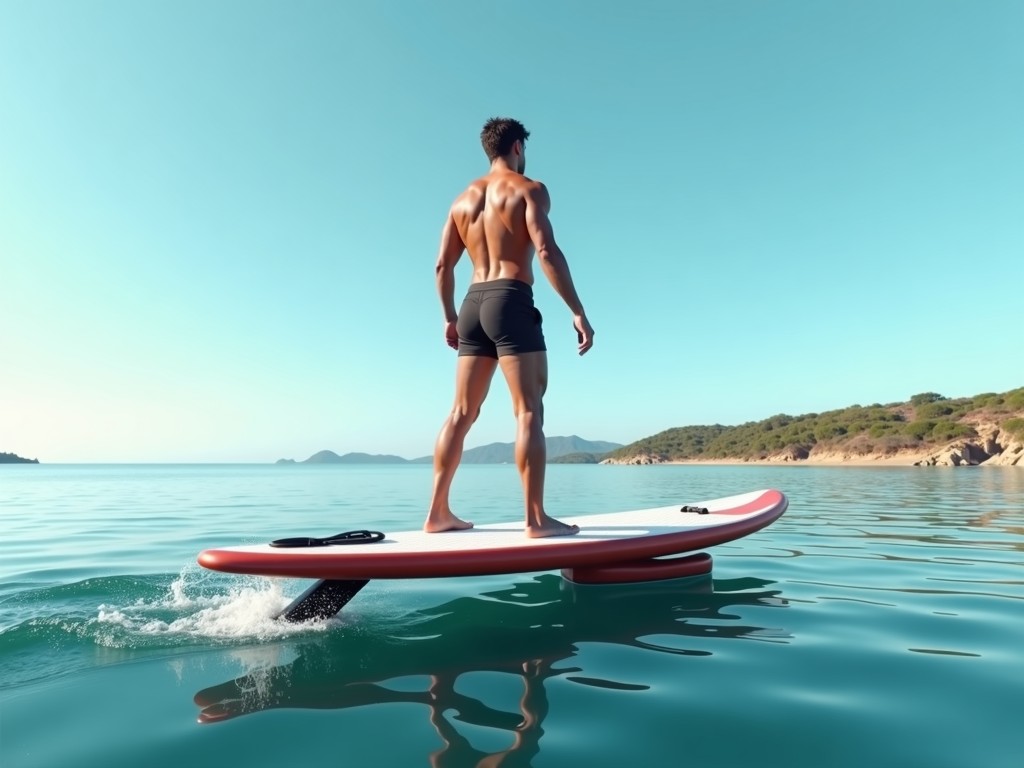
The hydrofoil wing assembly generates lift through pressure differentials as water flows over asymmetric profiles. Front wing aspect ratios typically range from 5 to 8, balancing lift efficiency with stall resistance. Wing area varies between 1200 cm² and 1800 cm², directly affecting takeoff speed and cruising efficiency. Mast length, usually between 60 cm and 90 cm, determines minimum water depth for operation and influences pitch stability. All submerged components are constructed from marine-grade aluminum alloys or carbon fiber composites to resist corrosion and fatigue.
Control System and User Interface
Rider input is transmitted via a wireless handheld throttle using 2.4 GHz FHSS technology, with latency under 50 ms. The motor controller interprets throttle position and adjusts power output through PWM signals, incorporating overcurrent, overtemperature, and low-voltage protection. Feedback is delivered via LED indicators on the throttle and optional smartphone app connectivity via Bluetooth LE for real-time telemetry including speed, battery state, and fault diagnostics. Safety features include automatic motor cutoff upon rider detachment detected by a magnetic kill switch or pressure-sensitive footpad.
Performance Characteristics and Operational Envelope
Takeoff speed typically occurs between 8 km/h and 12 km/h, dependent on wing loading and rider weight. Maximum speed is limited by motor KV, propeller pitch, and hydrodynamic drag, generally ranging from 25 km/h to 45 km/h for adult models. Range varies with speed, weight, and conditions, with typical endurance between 60 and 90 minutes at cruising speed. Maximum rider weight capacity is commonly rated at 120 kg, with structural safety factors applied to mast, fuselage, and wing mounting points. Operational water conditions are restricted to depths exceeding mast length plus 15 cm clearance, with avoidance of debris and strong currents recommended.
Materials and Construction
The board hull utilizes expanded polystyrene (EPS) foam core laminated with fiberglass or carbon fiber reinforcement and epoxy resin, providing buoyancy and impact resistance. Mast and fuselage are predominantly 6061-T6 aluminum extrusion or pultruded carbon fiber tubes, selected for stiffness-to-weight ratio and corrosion resistance. Wing foils are molded from prepreg carbon fiber with CNC-machined aluminum mounting inserts. All fasteners are marine-grade stainless steel (A4-316) to prevent galvanic corrosion. Sealing of electronic components meets IP68 standards for continuous submersion.
Typical Specifications Table
| Parameter | Typical Range | Notes |
|---|---|---|
| Motor Power (Peak) | 5 kW – 15 kW | Dependent on cooling and voltage |
| Battery Capacity | 2 kWh – 4 kWh | Lithium-ion NMC or LFP |
| Takeoff Speed | 8 km/h – 12 km/h | Rider and wing dependent |
| Maximum Speed | 25 km/h – 45 km/h | Limited by drag and motor KV |
| Endurance | 60 – 90 min | At 20–25 km/h cruising |
| Max Rider Weight | 120 kg | With safety factor applied |
| Mast Length | 60 cm – 90 cm | Affects depth and stability |
| Front Wing Area | 1200 cm² – 1800 cm² | Influences lift and efficiency |
Applications and Operational Considerations
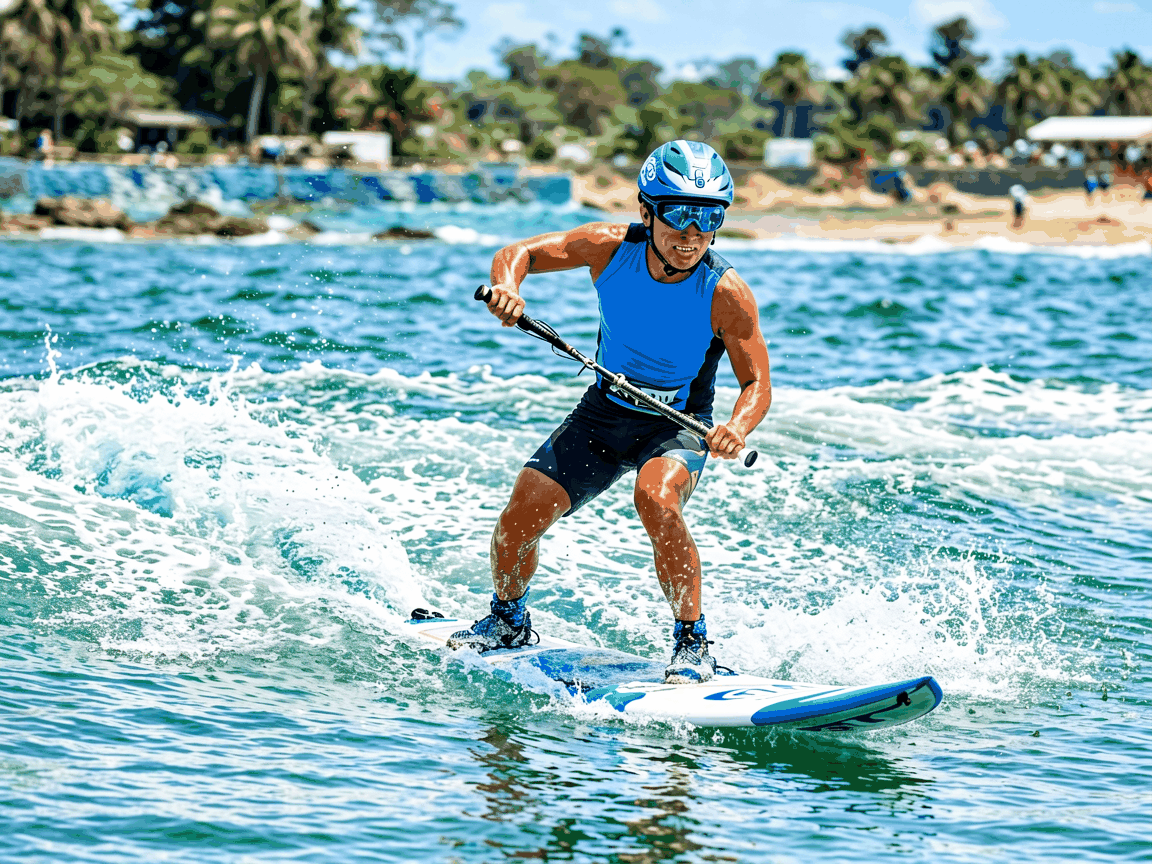
Electric hydrofoil surfboards are used in recreational and training environments where wave access is limited or inconsistent. The ability to generate lift independent of wave power enables operation in flat water, lakes, rivers, and protected coastal zones. This expands accessibility for skill development in foil balance and edge control without reliance on surf conditions. Operational safety requires adherence to local watercraft regulations, use of personal flotation devices, and avoidance of high-traffic marine zones. Maintenance includes rinsing with fresh water after saltwater exposure, periodic inspection of seals and fasteners, and battery storage at partial charge in temperature-controlled environments.
For detailed configuration options, battery compatibility, or to request technical documentation including CAD files, IP ratings, and test reports, please contact our engineering team. We support inquiries regarding customization, integration, and supply chain requirements for industrial and commercial applications.
Request Technical Specification