Electric Hydrofoil Surfboard For Lake And Ocean
Electric Hydrofoil Surfboard for Lake and Ocean
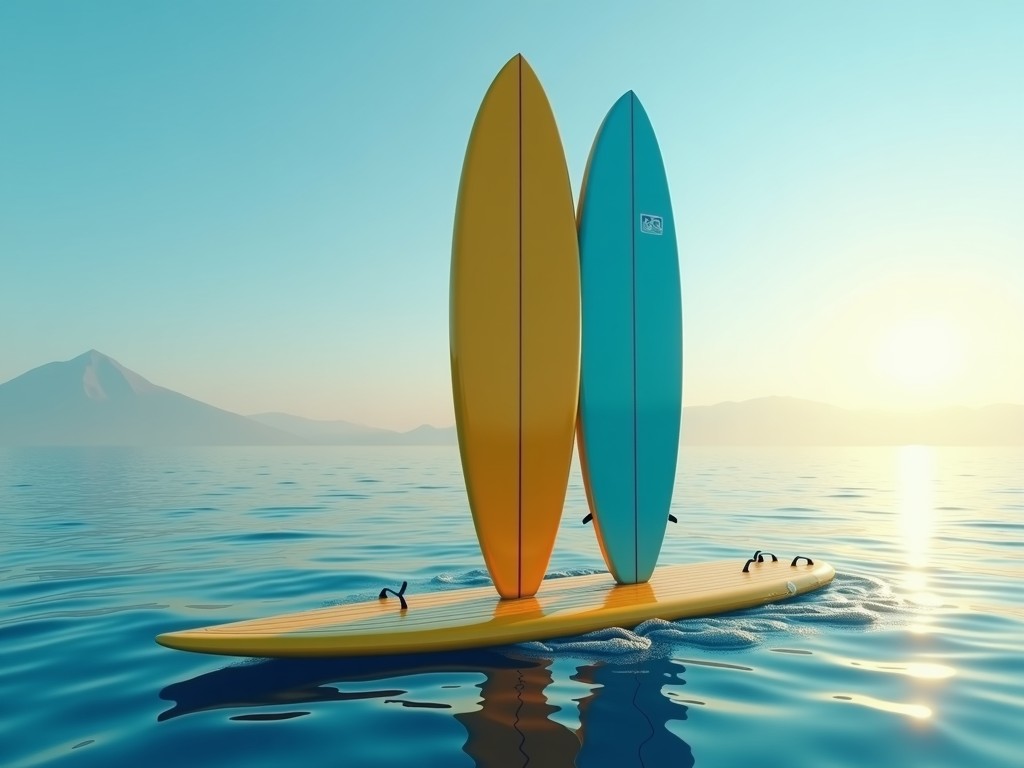
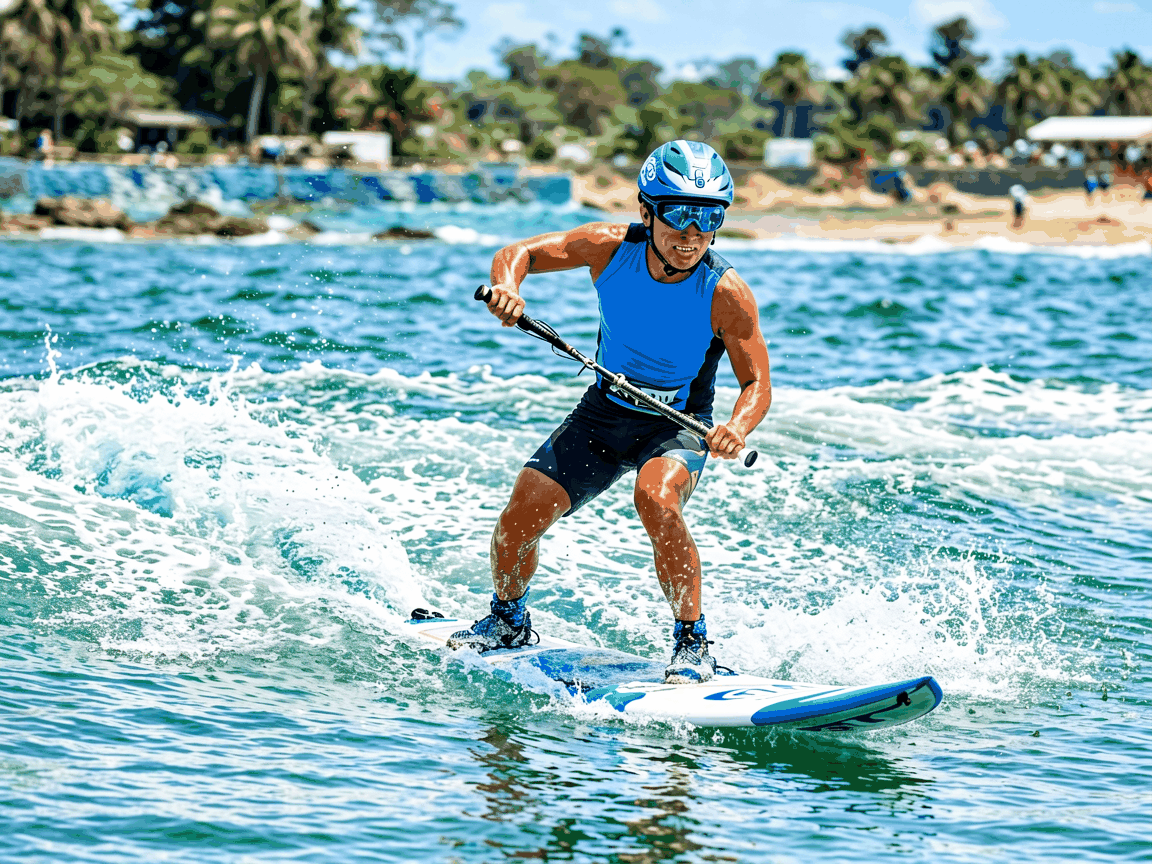
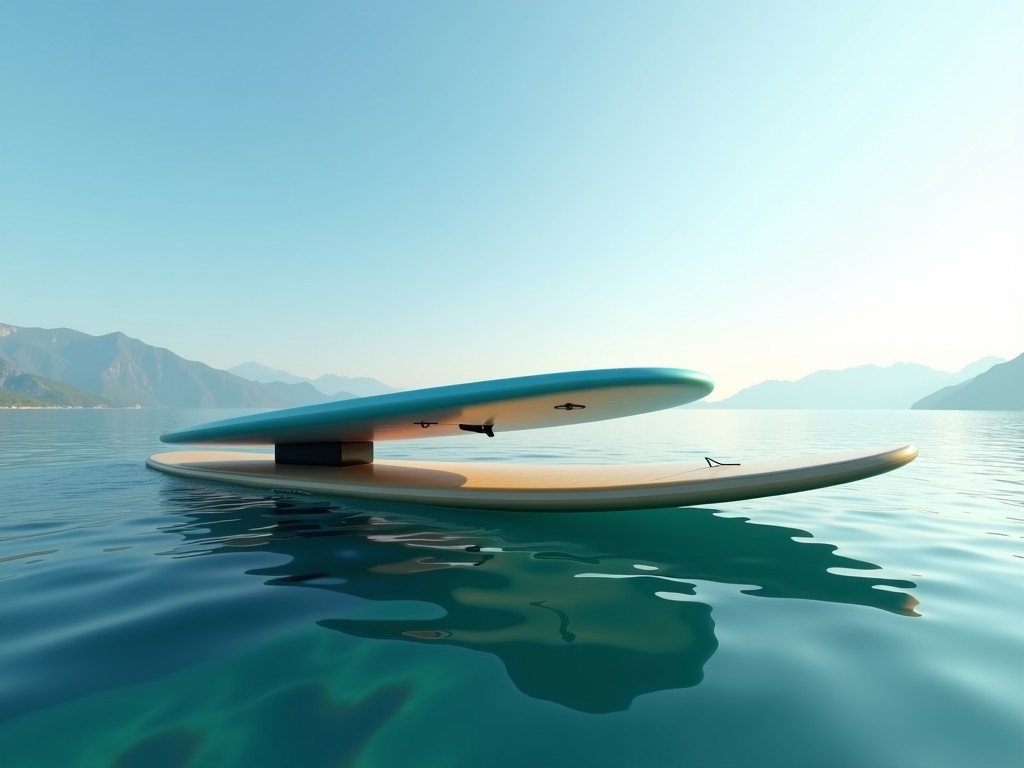
Electric hydrofoil surfboards combine electric propulsion with hydrofoil technology to enable riders to glide above the water surface with minimal drag. Unlike traditional surfboards that rely on wave energy or manual paddling, these systems use a submerged wing (foil) and an electric motor to generate lift and thrust, allowing operation in flat water conditions such as lakes, calm seas, or sheltered coastal areas. This capability expands usability beyond wave-dependent environments, making the technology suitable for recreational use, training, and light commercial applications in varied aquatic settings.
The core advantage lies in reduced hydrodynamic resistance once the foil is airborne. At speeds typically between 8–12 km/h, the foil generates sufficient lift to raise the board and rider 15–25 cm above the water, cutting wetted surface area by over 70% compared to displacement mode. This efficiency extends battery range and enables smoother rides even in choppy conditions where conventional boards would struggle.
Key Technical Specifications
Performance and durability are governed by integrated system design, where motor power, foil geometry, battery capacity, and materials selection must be balanced to meet operational demands in both freshwater and saltwater environments.
| Parameter | Typical Value | Notes |
|---|---|---|
| Motor Power | 3–5 kW continuous | Brushless DC, water-cooled, sealed stator |
| Top Speed | 25–35 km/h | Dependent on rider weight, foil size, and water conditions |
| Battery Capacity | 2–4 kWh lithium-ion | IP68-rated, removable, with thermal management |
| Runtime | 45–90 minutes | At mixed throttle; varies with speed and payload |
| Foil Wing Area | 1200–1800 cm² | Front wing; aspect ratio 5–7 for stability and efficiency |
| Board Length | 150–170 cm | Carbon fiber or glass-reinforced polymer sandwich construction |
| Maximum Rider Weight | 100–120 kg | Includes gear; safety factor 1.5 applied to structural load |
| Operating Water Depth | Minimum 1.0 m | To prevent foil contact with bottom; avoid seabed damage |
| Saltwater Compatibility | Full | Marine-grade alloys, sacrificial anodes, flushed cooling |
System Design and Material Considerations
The propulsion unit integrates a sealed motor, drive shaft, and propeller within a streamlined pod mounted beneath the board. The motor housing is typically aluminum alloy with anodized coating or marine-grade stainless steel to resist galvanic corrosion. Internal components are potted or conformally coated to prevent moisture ingress, critical for long-term reliability in wet environments.
The foil assembly consists of a mast, fuselage, front wing, and rear stabilizer. High-modulus carbon fiber is preferred for the mast and wings due to its high stiffness-to-weight ratio, which ensures precise control and minimal flex under load. Fuselages often use titanium or hardened aluminum to handle stress concentrations at junctions. All metal interfaces use isolation kits or dielectric grease to prevent galvanic coupling between dissimilar materials.
Board cores are usually closed-cell foam (PVC or PS) laminated with fiberglass or carbon fiber skins. This construction provides buoyancy, impact resistance, and torsional rigidity. Deck pads are made from marine-grade EVA with diamond-groove patterning for grip, while foot straps are adjustable and constructed from UV-stabilized nylon webbing with stainless steel fasteners.
Operational Applications and Use Cases
Electric hydrofoil surfboards are particularly valuable in inland waterways where wind waves or swell are inconsistent or absent. Lakes, reservoirs, and slow-moving rivers offer predictable flat-water conditions ideal for learning foil balance and throttle control without the unpredictability of ocean waves. This makes them effective tools for water sports schools, rehabilitation programs, and youth training centers seeking low-impact, high-engagement activities.
In coastal environments, they extend rideability during calm mornings, neap tides, or offshore wind days when traditional surfing is not feasible. Riders can access swell-generating zones more efficiently by foiling over flat sections between sets, reducing fatigue. Rescue and patrol units also evaluate these systems for rapid deployment in shallow or congested areas where boats are impractical.
Commercial operators use them for guided eco-tours in sensitive marine zones due to zero emissions and quiet operation (<60 dB at 5 m). The absence of exposed propellers reduces risk to marine life and swimmers. Fleet managers benefit from modular battery swaps enabling continuous operation with minimal downtime, supporting rental models in resorts, marinas, and aquatic centers.
Customization and Integration Options
Manufacturers offer scalable configurations to match specific use cases. Motor power can be scaled from 3 kW for entry-level training models to 5 kW+ for performance-oriented units requiring higher acceleration and top speed. Battery packs are available in multiple capacities, allowing users to prioritize range over peak power or vice versa based on operational profile.
Foil geometry is interchangeable to suit rider skill and conditions. Larger front wings (1600–1800 cm²) provide greater lift at low speeds, ideal for beginners or heavier riders. Smaller, high-aspect wings (1000–1200 cm², AR >7) reduce drag and increase maneuverability for advanced users. Mast length (60–90 cm) affects clearance over chop and turning radius—shorter masts enhance responsiveness in waves, longer masts improve stability in open water.
Control systems include handheld Bluetooth throttles with waterproof grips and OLED displays showing speed, battery level, and diagnostics. Optional GPS modules enable route tracking and geofencing for rental fleets. Foot strap configurations (single, dual, or none) and stance angles are adjustable to accommodate different riding styles (surf, wake, or freestyle). All customizations maintain compliance with IP68 waterproofing and CE/UL electrical safety standards.
Quality Assurance and Lifecycle Support
Each unit undergoes factory validation including hydrostatic sealing tests (IP68), thermal cycling of battery packs, dynamic load testing of foil mounts, and electromagnetic compatibility (EMC) verification. Motor insulation resistance is measured at >100 MΩ before shipment. Boards are checked for laminate integrity via ultrasonic testing and final balance to ensure neutral trim in water.
Preventive maintenance guidelines recommend rinsing with fresh water after saltwater use, inspecting propeller clearance quarterly, and checking anode depletion every 6–12 months. Battery health monitoring is integrated into the control system, logging charge cycles and temperature exposure to predict end-of-life. Spare parts kits include propellers, seals, cables, and firmware-update tools.
Warranty terms typically cover 2 years for the board and electronics, 1 year for the battery (prorated after 6 months), and lifetime structural warranty against delamination for the hull. Technical documentation includes exploded views, torque specifications, and fault-code troubleshooting guides. On-site training and remote diagnostics are available for commercial clients.
Environmental and Safety Compliance
Electric hydrofoil surfboards produce zero operational emissions and emit minimal noise, making them compliant with increasing restrictions on internal combustion engines in protected waterways, national parks, and urban lakes. Their energy efficiency—typically 15–20 Wh/km at cruise speed—far exceeds that of gasoline-powered personal watercraft, reducing lifecycle environmental impact.
Safety features include automatic motor cutoff upon water immersion detection (via conductivity sensors), tilt-angle limits to prevent over-foiling, and low-voltage battery cutoff to avoid deep discharge. All models meet ISO 12405-2 for lithium-ion battery safety and undergo IEC 62133 testing. Impact-resistant nose cones and soft-edged rail guards reduce injury risk during falls.
User manuals emphasize mandatory use of personal flotation devices (PFDs) and helmets, particularly in shared waterways. Geofencing alerts (where equipped) notify riders when approaching restricted zones or shore boundaries. Manufacturers provide lidar- or camera-based obstacle avoidance as optional add-ons for commercial fleets operating in high-traffic areas.
Procurement and Technical Evaluation Guidance
When evaluating suppliers, request detailed breakdowns of motor efficiency curves (torque vs. RPM at 48V), battery discharge profiles under pulsed load, and foil lift coefficients measured in tow-tank testing. Verify that corrosion testing includes 500-hour salt spray exposure per ASTM B117 with post-test inspection of seals and fasteners. Ask for documentation of cell balancing architecture and thermal runaway protection in the battery pack.
Inquire about factory acceptance test (FAT) procedures and whether third-party validation (e.g., TÜV, SGS, UL) is available for electrical safety and waterproofing. Confirm that spare parts availability is guaranteed for a minimum of 5 years post-production, especially for proprietary motor controllers and sealed connectors. For OEM integration, assess whether CAD models, STEP files, and IP-rated connector schematics are provided under NDA.
Consider total cost of ownership: include expected battery replacement cycles (typically 300–500 full charges), annual inspection costs, and potential upgrades (e.g., higher-capacity batteries, performance foils). Suppliers offering battery lease programs or trade-in incentives may reduce upfront burden for fleet operators. Always validate that the product’s IP rating and material certifications align with your operational environment—freshwater use does not eliminate the need for corrosion-resistant materials if humidity or occasional salt exposure is expected.
For detailed configuration options, technical datasheets, or to discuss application-specific requirements, contact our engineering team.
Request Technical Consultation