Electric Hydrofoil Surfboard For Sale
Electric Hydrofoil Surfboard for Sale
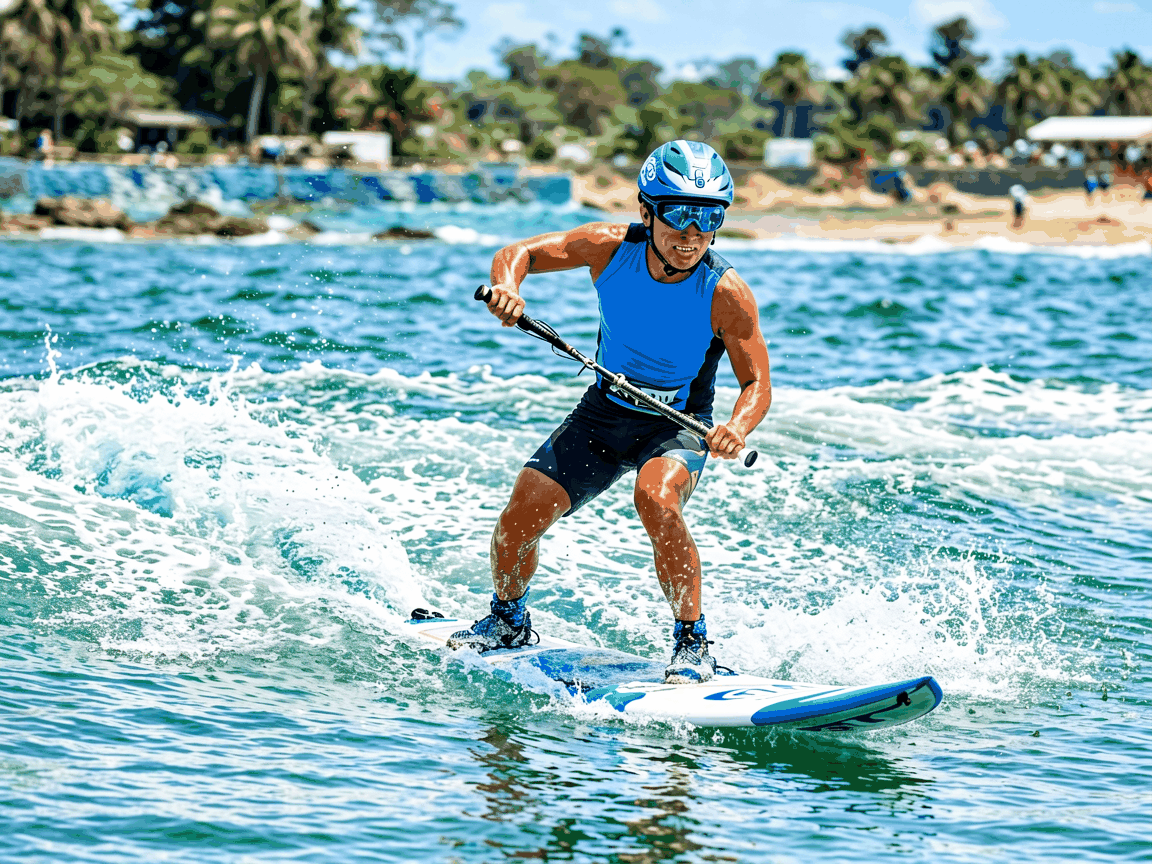
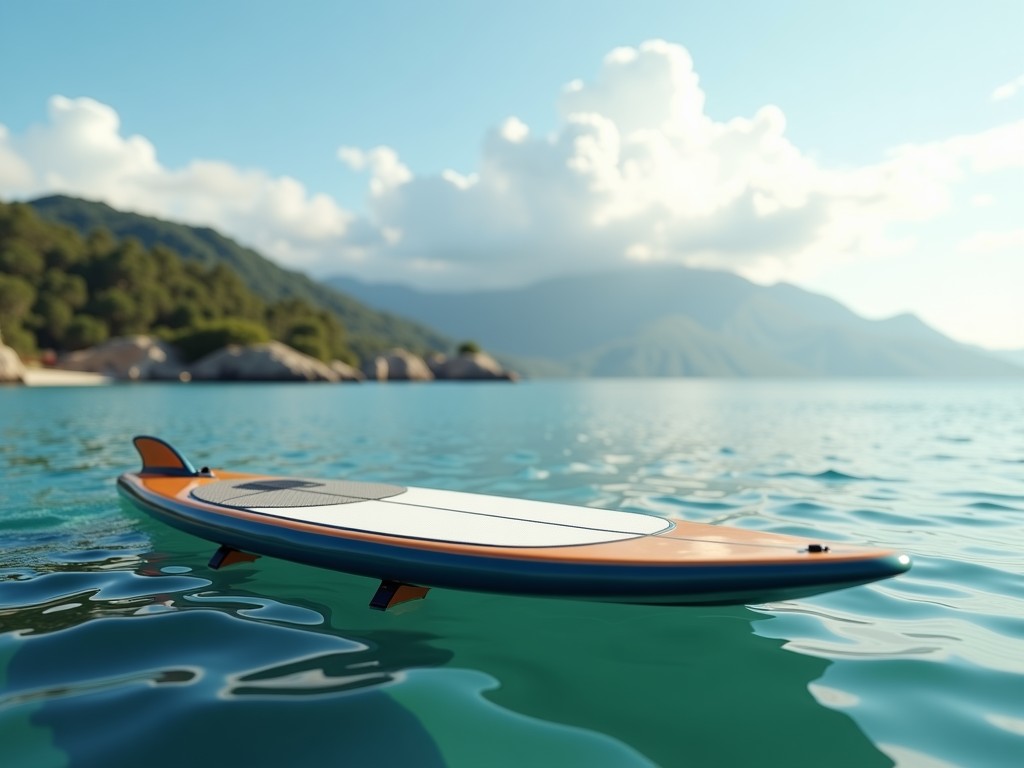
An electric hydrofoil surfboard integrates a waterproof electric propulsion system with a submerged foil assembly to generate lift and enable planing above the water surface at low speeds. This technology eliminates the need for wave or wind input, allowing operation in flat water conditions such as lakes, rivers, and sheltered coastal areas. The system consists of a sealed battery pack, brushless DC motor, propeller or jet drive, carbon fiber mast, and front/rear foil wings engineered for specific lift-to-drag ratios. Industrial buyers evaluating these units for commercial use—such as rental fleets, training centers, or resort operations—must assess performance specifications, safety systems, and maintenance requirements rather than relying on marketing claims.
Core Technical Specifications
| Parameter | Typical Value | Notes |
|---|---|---|
| Motor Power (Continuous) | 5–8 kW | Peak power up to 12 kW for acceleration; liquid-cooled preferred for sustained operation |
| Battery Capacity | 1.0–2.5 kWh | Lithium-ion NMC or LFP chemistry; IP68-rated enclosure; 45–90 min runtime at cruise speed |
| Max Speed | 25–35 km/h | Dependent on rider weight, foil design, and water conditions; speed limited by motor KV and propeller pitch |
| Foil Mast Length | 60–90 cm | Longer masts increase clearance in chop but raise center of gravity; carbon fiber prepreg layup typical |
| Front Wing Area | 1200–1800 cm² | Larger area improves low-speed lift but increases drag; aspect ratio between 5–7 common for stability |
| Board Volume | 80–120 L | Higher volume aids stability for beginners; constructed from EPS core with carbon fiber or fiberglass laminate |
| Charging Time | 1.5–3 hours | Using Level 2 AC charger (220V); fast DC charging available on select models but reduces cycle life |
Propulsion and Control System Design
The electric drive unit typically employs a sensorless brushless DC motor housed in a pressurized, seawater-resistant casing with dynamic shaft seals. Motor KV rating (RPM per volt) is matched to propeller pitch and battery voltage to achieve target thrust without exceeding thermal limits. Most commercial-grade units use a jet pump or shrouded propeller design to minimize entanglement risk with debris or marine life. Throttle control is delivered via a wireless handheld remote using 2.4 GHz FHSS or Bluetooth LE, with fail-safe protocols that cut power if signal is lost for >500ms. Regenerative braking is not standard due to low energy recovery potential at typical operating speeds, though some prototypes experiment with reverse-torque motor control for deceleration.
Battery management systems (BMS) monitor cell voltage, temperature, and current balance in real time, with passive or active cooling integrated into the board’s structure. Thermal throttling activates if internal temperatures exceed 60°C to prevent accelerated degradation. Electrical connectors are gold-plated, twist-lock type with IP68 rating when mated, and include polarization keys to prevent incorrect assembly. Wiring uses tinned marine-grade silicone-insulated conductors to resist saltwater corrosion and vibration fatigue.
Foil Hydrodynamics and Material Selection
The foil assembly operates on principles of submerged lifting surfaces, where lift is generated by pressure differential across the wing profile as water flows over it. Front wings commonly use NACA 63-series or custom-modified elliptical plansforms to delay stall and provide smooth lift progression. Rear stabilizer wings are symmetrical or slightly cambered to provide pitch damping without inducing roll coupling. All foil components are constructed from unidirectional carbon fiber prepreg with foam core (PVC or PET) for stiffness-to-weight optimization, cured in autoclave or vacuum bag processes to achieve <1% void content.
Mast-to-fuselage and fuselage-to-wing interfaces use precision-machined titanium or stainless steel inserts with torque-controlled fasteners to prevent galvanic corrosion and ensure repeatable alignment. Surface finish is critical—any roughness >32 µm Ra increases turbulent flow and drag significantly. Some manufacturers apply hydrophobic coatings (e.g., fluoropolymer-based) to reduce biofouling and cleaning frequency in saltwater environments. Impact resistance is addressed through tapered layup schedules and discrete reinforcement zones at high-stress points like wing roots and mast base.
Operational Considerations for Commercial Use
For rental or training operations, key durability factors include ingress protection of electronics, ease of battery swap, and resistance to UV degradation. Board decks often feature EVA foam or textured PVC grip pads with known Shore A hardness (typically 60–80) for consistent foot traction. Drain plugs and vent valves are included to equalize internal pressure during temperature changes and prevent delamination of composite layers. Anchoring points for leashes are reinforced with stainless steel inserts bonded into the laminate to withstand dynamic loads >1.5 kN.
Maintenance intervals are defined by usage hours rather than calendar time. Motor seals and propeller shafts should be inspected every 25 hours for wear or corrosion. Battery health is assessed via capacity retention testing—end-of-life is generally considered at 70% of original capacity. Foil components require visual inspection after each use for impact damage, particularly in shallow or debris-laden waters. Spare parts availability (propellers, seals, remote batteries) and firmware update protocols should be confirmed with the supplier prior to purchase.
Safety and Compliance Features
Industrial buyers must verify that the product meets relevant electrical safety standards for wet environments, such as IEC 60335-2-29 (battery chargers) or equivalent marine electrical guidelines. Emergency stop functionality is required on the handheld remote, with mechanical redundancy (e.g., magnet kill switch) as a backup. Buoyancy aids are integrated into the board’s design—minimum 150 N of inherent flotation ensures the board remains afloat if submerged. Some models include GPS-based geofencing via companion app to restrict operation to designated zones, useful for liability control in public waterways.
Lithium-ion batteries must comply with UN 38.3 for transport and IEC 62133 for cell safety. Look for test reports from accredited labs rather than self-certification. Waterproof connectors should be rated for repeated mating cycles (minimum 500) without degradation in ingress protection. LED status indicators on the board and remote provide real-time feedback on battery level, system faults, and latch status—critical for user training and incident prevention.
Comparison: Entry-Level vs. Commercial-Grade Units
| Feature | Entry-Level (Recreational) | Commercial-Grade (Rental/Training) |
|---|---|---|
| Motor Power | 3–5 kW | 5–8 kW (continuous) |
| Battery Cycle Life | 300–500 cycles | 800–1200 cycles (LFP chemistry) |
| Sealing Standard | IP67 | IP68 with salt spray test validation |
| Remote Redundancy | Wireless only | Wireless + magnet kill switch |
| Warranty (Motor/Battery) | 12 months | 24 months (pro-rated battery) |
| Max User Weight | 100 kg | 130 kg |
| Deck Material | Fiberglass | Carbon fiber reinforced |
Customization and Integration Options
Suppliers commonly offer modular configurations to align with specific operational needs. Battery capacity can be scaled in 0.5 kWh increments to adjust runtime versus weight trade-offs. Mast length options (60, 75, 90 cm) allow optimization for shallow water versus choppy conditions. Foil wing sets are interchangeable—high-lift configurations for beginner training, high-aspect models for efficiency and speed. Deck shape and volume can be adjusted via CAD modification of the EPS core layup, affecting stability and maneuverability characteristics.
For fleet operators, options include onboard telemetry modules (GPS, speed, battery voltage) that log usage data via Bluetooth to a central dashboard. Anti-theft systems with PIN-locked remotes and geofence alerts are available. Charging infrastructure can be tailored—single-unit chargers, 4-bank charging stations, or solar-buffered systems for off-grid locations. Custom branding (deck graphics, remote color) is achievable through hydrographic printing or vinyl wrapping without affecting structural integrity. All modifications should be reviewed for impact on center of gravity, waterproofing, and dynamic load paths.