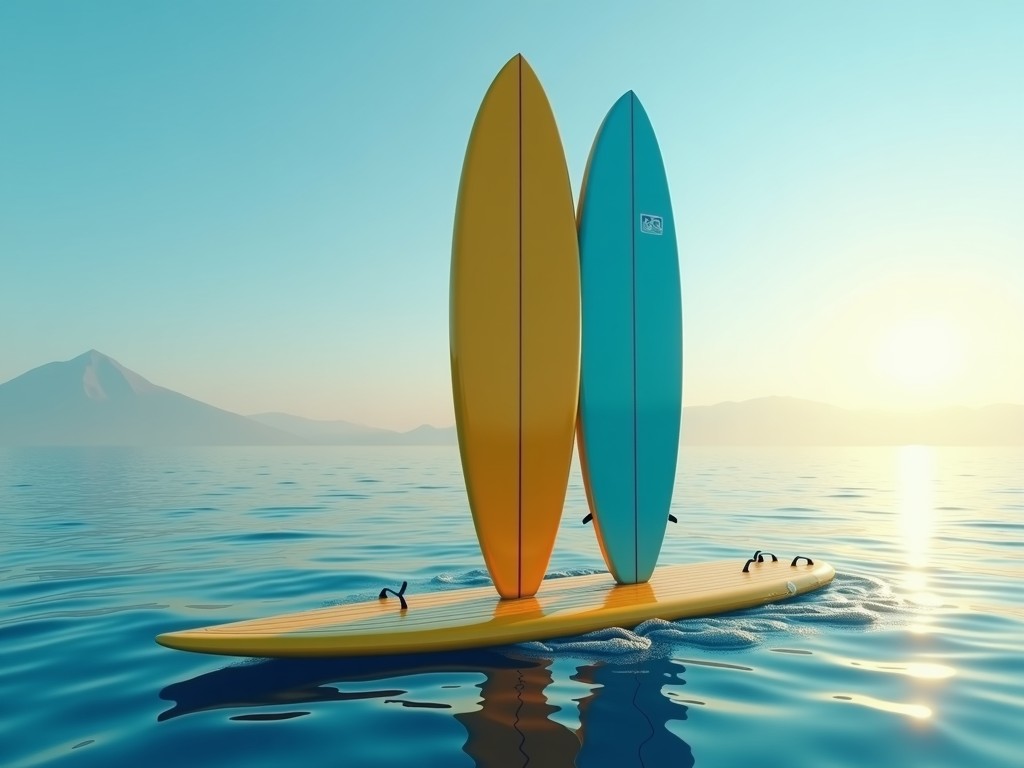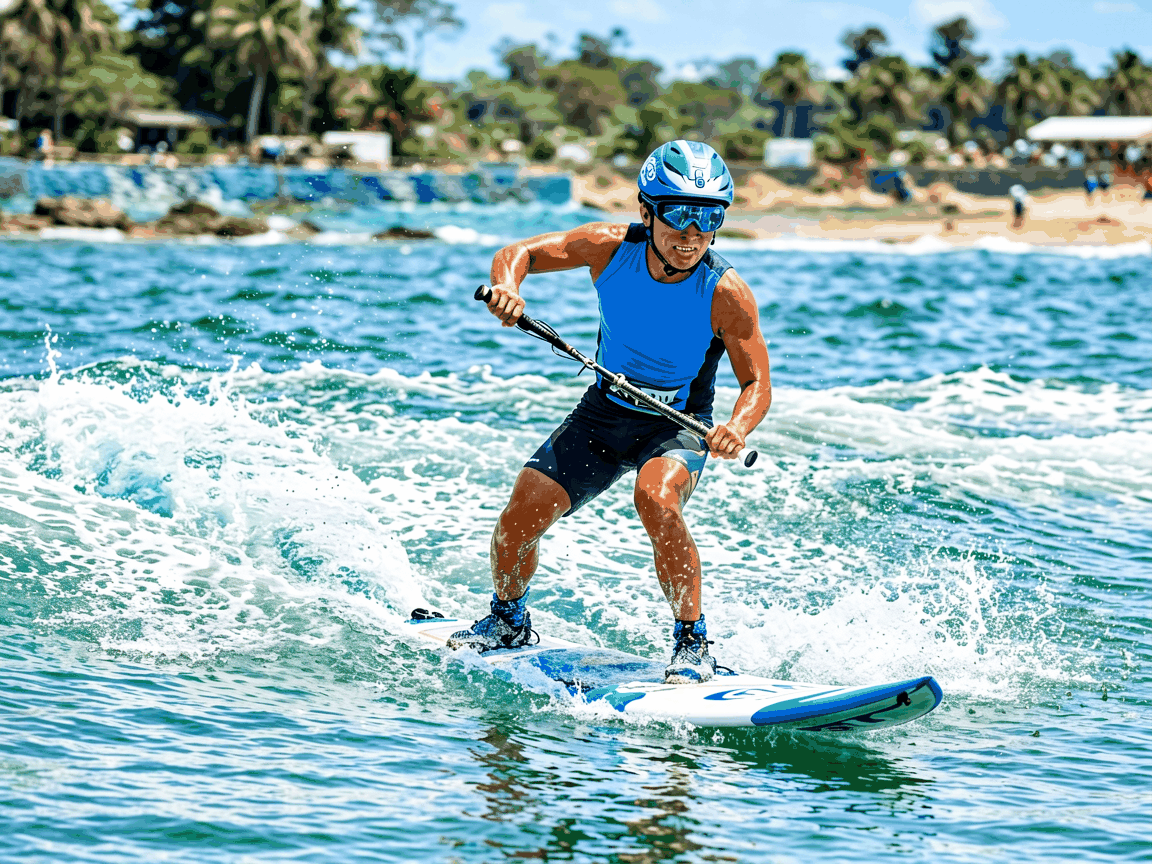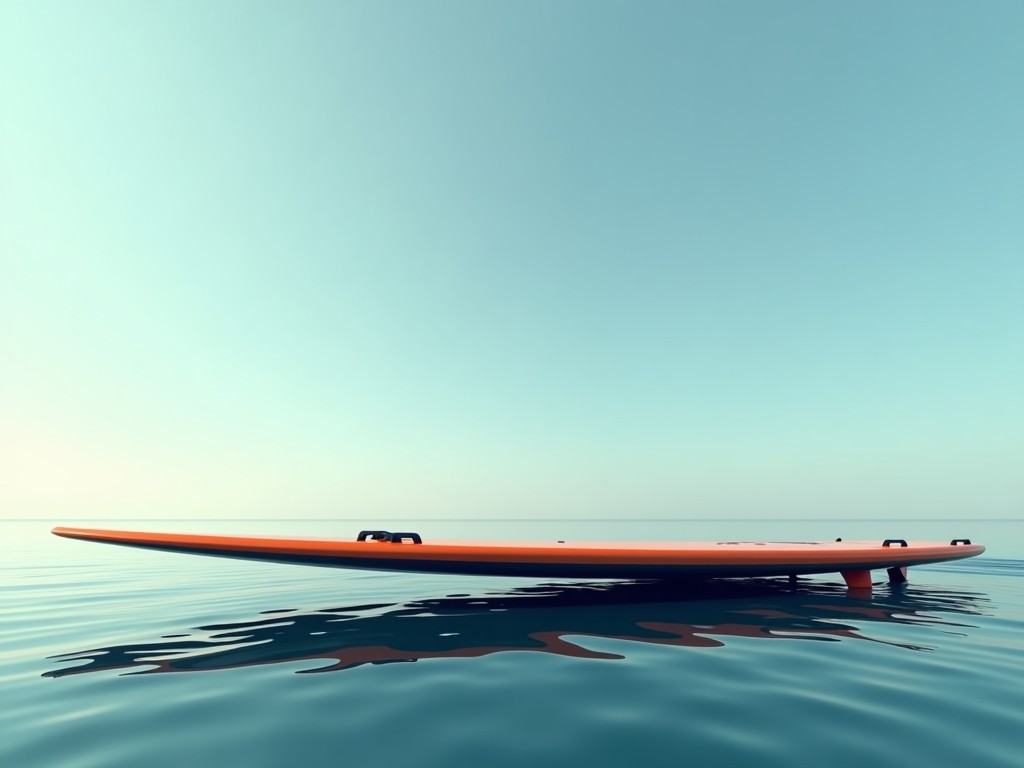
High Performance Electric Hydrofoil Surfboard
High Performance Electric Hydrofoil Surfboard
This technical overview details the engineering specifications and operational characteristics of high performance electric hydrofoil surfboards designed for industrial testing, marine research, and specialized aquatic applications. Understanding these parameters enables informed evaluation for integration into professional workflows.
Core Propulsion and Hydrofoil System
The propulsion system integrates a sealed, water-cooled brushless DC motor rated for continuous operation at 15 kW peak power, delivering thrust through a composite propeller optimized for cavitation resistance at speeds exceeding 35 km/h. Motor efficiency exceeds 90% under load, minimizing thermal buildup during extended use. Power is managed via a field-oriented control algorithm that dynamically adjusts torque based on rider input and hydrofoil load feedback, ensuring stable lift generation across varying water conditions.
The hydrofoil assembly consists of a front wing, rear stabilizer, and mast constructed from unidirectional carbon fiber reinforced polymer with a vacuum-bagged layup process. The front wing features an aspect ratio of 8.5 and a NACA 64-series airfoil profile, selected for its high lift-to-drag ratio in the 20–40 km/h operational envelope. Mast length is adjustable between 70 cm and 90 cm to accommodate different water depths and rider skill levels, with torsional stiffness exceeding 12 kN·m/rad to prevent flutter-induced oscillations.
Energy Storage and Power Management
Energy is supplied by a lithium-ion battery pack configured as 2P14S, utilizing NMC 811 chemistry with a nominal voltage of 51.8 V and capacity of 50 Ah. The pack delivers 2.6 kWh of usable energy, enabling up to 90 minutes of continuous operation at 70% throttle under typical load conditions. Battery management system (BMS) includes cell balancing, overcurrent protection, and real-time state-of-charge estimation with ±2% accuracy.
Charging is facilitated through an IP67-rated conductive port supporting 220 V AC input, with onboard charger capable of 3.3 kW power delivery. Full recharge from 20% to 100% state of charge requires approximately 60 minutes. Thermal regulation is achieved via phase-change material integrated into the battery housing, maintaining cell temperatures within 20–35°C during charge and discharge cycles to prolong cycle life beyond 800 cycles at 80% depth of discharge.
Control Interface and Feedback Systems
Rider input is processed via a wireless throttle trigger operating at 2.4 GHz with FHSS modulation, providing latency under 20 ms and jitter below 5 ms. The trigger outputs a PWM signal proportional to desired thrust, interpreted by the motor controller to modulate power delivery. A redundant wired backup interface is available for industrial testing scenarios requiring fail-safe operation.
Onboard sensors include a 9-axis IMU sampling at 1 kHz, pressure sensors measuring mast load distribution, and a GPS module with RTK correction for position accuracy under 2 cm. Data is logged internally at 10 Hz and transmitted via Bluetooth LE to a companion interface for real-time monitoring of speed, depth, battery status, and hydrofoil angle of attack. This enables post-session analysis of performance metrics for research or training optimization.
Structural Design and Material Selection
The board chassis utilizes a sandwich core construction with PVC foam core and carbon fiber skins, achieving a flexural modulus of 14 GPa and impact resistance compliant with ISO 12215-5 category C. Deck surface features a diamond-patterned EVA grip layer with Shore A hardness of 65, providing traction without compromising flexibility. All external fasteners are grade 316 stainless steel to resist galvanic corrosion in saline environments.
Sealing integrity is maintained through dynamic lip seals at motor shaft penetrations and static O-rings at battery compartment joints, rated for IP68 protection. Hydrostatic testing validates resistance to pressure equivalent to 2 m submersion for durations exceeding 4 hours. Buoyancy is carefully balanced to achieve neutral trim at rider weights between 60 kg and 100 kg, with adjustable trim tabs allowing fine-tuning of pitch attitude.
Performance Characteristics and Operational Envelope
Under standard test conditions (freshwater, 20°C, negligible current), the system achieves a maximum speed of 42 km/h with a 75 kg rider, limited by propeller cavitation onset. Cruise efficiency peaks at 28 km/h, requiring approximately 800 W of power to maintain lift and forward motion. Takeoff speed, defined as the velocity at which hydrofoil lift equals combined system weight, occurs at 18–22 km/h depending on mast angle and rider positioning.
Operational envelope is constrained by water depth (minimum 1.2 m to prevent seabed interaction), wave height (maximum 1.5 m for stable foil engagement), and salinity tolerance (up to 35 ppt). The system is not designed for operation in icy conditions or water temperatures below 5°C due to battery performance degradation and material embrittlement risks. Maximum recommended continuous operating time is 90 minutes, after which thermal derating may occur if ambient conditions exceed 30°C.
Applications in Industrial and Research Contexts
Beyond recreational use, these platforms serve as mobile sensor carriers for bathymetric mapping in shallow coastal zones where traditional vessels cannot operate. The low acoustic signature and minimal wake generation enable undisturbed observation of marine fauna behavior. Researchers utilize the precise speed control and trajectory repeatability to conduct controlled experiments on hydrofoil performance under variable loading, validating computational fluid dynamics models.
In industrial training environments, the boards facilitate skill development for hydrofoil-assisted maritime transport concepts, allowing trainees to experience foil-borne dynamics at reduced scale and risk. Emergency response teams evaluate their utility for rapid deployment in flood or oil spill scenarios, where portability and zero-emission operation are critical. Integration with external payload systems permits mounting of water sampling devices or underwater cameras for extended data collection missions.
Quality Assurance and Manufacturing Considerations
Each unit undergoes final acceptance testing including static thrust verification (±5% tolerance), battery insulation resistance measurement (>500 MΩ), and hydrostatic leak testing at 1.5x rated pressure. Functional validation includes acceleration runs, turning radius assessment, and emergency stop verification from maximum speed. Non-conformance triggers root cause analysis under ISO 9001:2015 framework, with corrective actions documented and reviewed.
Manufacturing follows controlled layup procedures for composite components, with fiber orientation verified via ultrasonic scanning and resin content measured through acid digestion. Battery packs are assembled in ISO Class 7 cleanrooms to prevent particulate contamination. Traceability is maintained for all critical materials, including batch numbers for carbon fiber prepreg and lithium-ion cells, supporting potential field investigations if performance anomalies arise.
| Parameter | Typical Value | Condition / Note |
|---|---|---|
| Maximum Speed | 42 km/h | Freshwater, 75 kg rider, peak power |
| Cruise Power Consumption | 800 W | 28 km/h, steady state |
| Battery Capacity | 2.6 kWh | Usable energy, 20–100% SoC |
| Charge Time (20%→100%) | 60 minutes | 3.3 kW AC input |
| Operating Temperature Range | 5°C – 40°C | Ambient water and air |
| Maximum Depth Rating | 2 m | Static pressure, 4-hour duration |
For technical consultation, specification customization, or integration support regarding high performance electric hydrofoil surfboards in professional applications, visit the contact section to initiate an inquiry. Detailed documentation including CAD files, test reports, and material safety data sheets is available upon request for qualified industrial partners.