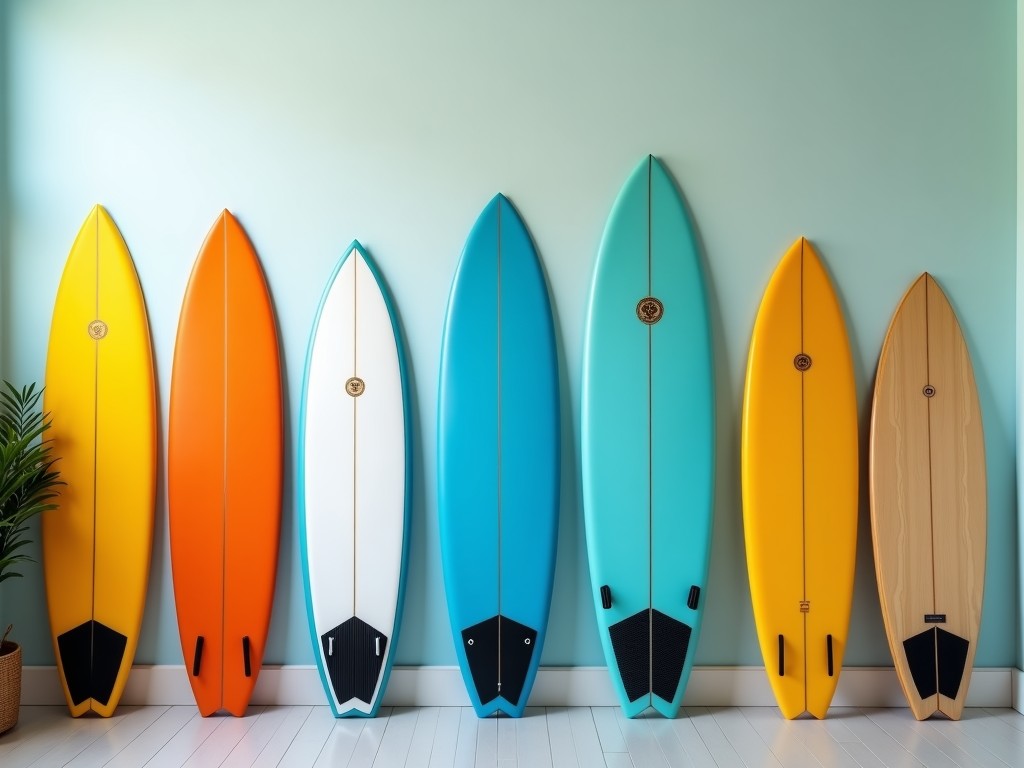
Wholesale Efoil Surfboard Supplier
Wholesale eFoil Surfboard Supply: Technical Specifications for Industrial Buyers
Selecting a wholesale eFoil surfboard supplier requires evaluation beyond aesthetic appeal or brand recognition. Industrial procurement teams must assess structural integrity, propulsion system compatibility, material durability under marine exposure, and scalability for volume production. This page details the engineering parameters that define viable wholesale eFoil platforms for B2B distribution, rental fleets, and OEM integration.
Core Structural Design Parameters
The hydrofoil assembly and board hull must maintain dimensional stability under cyclic hydrodynamic loads. Board volume typically ranges from 100L to 160L to support rider weights between 60kg and 120kg while ensuring sufficient buoyancy for waterstart. Hull construction uses EPS foam cores with density between 25–35 kg/m³, reinforced with unidirectional carbon fiber or fiberglass laminates. Layup schedules specify 2–4 layers of 200gsm carbon biaxial weave on high-stress zones (nose, tail, foil mounts), reducing flex to under 5mm under 500N load.
Foil mast length is standardized at 70cm or 90cm depending on application: 70cm for shallow water or beginner models, 90cm for open-ocean use to prevent ventilation. Mast and fuselage are manufactured from 6061-T6 aluminum or marine-grade titanium (Grade 5), with anode protection for saltwater exposure. Wing aspect ratios fall between 5.0 and 7.5, balancing lift efficiency and stall speed. Front wings range from 1500cm² to 2200cm² surface area, constructed from prepreg carbon fiber with foam cores to achieve torsional rigidity above 15 Nm/degree.
Propulsion System Compatibility and Electrical Architecture
Wholesale supply requires standardized motor mounts and battery interfaces to support aftermarket upgrades or fleet uniformity. Motor pods use waterproofed brushless DC motors rated between 5kW and 12kW peak, with KV values from 150 to 300 RPM/V depending on propeller size and voltage system. Mounting interfaces follow M6 or M8 bolt patterns with 45mm or 50mm center distances, allowing interchangeability across major motor brands (e.g., Torqeedo, Evoy, custom OEM units).
Battery systems are typically lithium-ion NMC or LFP chemistry, housed in IP68-rated enclosures with passive cooling. Voltage platforms standardize at 48V or 72V DC, with capacities from 30Ah to 60Ah delivering 45–90 minutes of runtime. Battery management systems (BMS) include cell balancing, overcurrent protection (200A peak), and temperature monitoring. CAN bus communication is increasingly adopted for telemetry and throttle integration, though PWM or analog signals remain common in entry-level wholesale models.
Material Selection for Marine Durability
Long-term performance in saline environments depends on material selection and surface treatments. All external fasteners use A4-316 stainless steel or titanium to resist galvanic corrosion. Board decks feature EVA foam padding with density 80–100 kg/m³ and Shore A hardness 40–50, bonded with marine-grade polyurethane adhesive. Non-slip surfaces incorporate diamond-pattern grooves or silicone coating to maintain grip when wet, with abrasion resistance tested per ASTM D4060 (Taber wear index <100mg/1000 cycles).
UV stabilization is critical for exposed composite surfaces. Topcoats use aliphatic polyurethane or UV-resistant epoxy resins with HALS additives, achieving less than 5% gloss loss after 1000 hours QUV exposure (ASTM G154). Internal cavities are sealed with silicone gaskets or molded rubber seals to prevent water ingress, with hydrostatic testing performed at 0.5 bar for 10 minutes to verify IP68 compliance. Drain plugs use membranes or one-way valves to equalize pressure without compromising sealing.
Wholesale Production and Quality Control Considerations
Volume production introduces variables not present in prototyping. Mold tooling for hulls must maintain dimensional tolerance within ±2mm across cavities to ensure consistent foil alignment and motor mount placement. Gel coat thickness is controlled at 0.4–0.6mm to prevent print-through while providing barrier protection. Layup schedules are documented with ply orientation, resin-to-fiber ratio (target 50:50 by weight), and vacuum bagging pressure (0.8 bar) to minimize void content below 2%.
Final assembly includes torque verification for critical fasteners: motor mounts to 18±2 Nm, foil mast bolts to 25±3 Nm, and battery tray screws to 8±1 Nm. Electrical continuity and insulation resistance are tested at 500V DC, with leakage current below 0.5mA. Functional validation includes no-load motor spin test (max 500 RPM), throttle response calibration (<150ms latency), and emergency cutoff verification. Each unit receives a unique serial number linked to material batch, layup date, and test logs.
Typical Technical Specifications Table
| Parameter | Typical Range | Notes |
|---|---|---|
| Board Volume | 100L – 160L | Depends on rider weight and skill level |
| Hull Core Density | 25–35 kg/m³ | EPS foam, closed-cell |
| Mast Material | 6061-T6 Al or Ti Grade 5 | Anodized or passivated |
| Front Wing Area | 1500–2200 cm² | Carbon prepreg with foam core |
| Motor Power | 5kW – 12kW peak | Brushless DC, water-cooled |
| Battery Voltage | 48V or 72V DC | NMC or LFP chemistry |
| Runtime | 45–90 minutes | At 70% throttle, calm water |
| Max Speed | 25–35 km/h | Dependent on wing and prop efficiency |
| Ingress Protection | IP68 | Battery and motor pods |
Applications in Industrial and Commercial Settings
Wholesale eFoil boards serve distinct operational needs across sectors. In coastal tourism, rental fleets prioritize durability and ease of maintenance—favoring 70cm mats, lower KV motors, and swappable battery systems to minimize downtime. Marine patrol or survey operations may require longer runtime and higher speed, opting for 90cm masts, 72V systems, and hydrodynamically refined wings. OEM integrators evaluate board platforms as bases for sensor mounts, communication housings, or auxiliary propulsion, necessitating standardized mounting rails and internal cable conduits.
Training institutions select models with predictable handling characteristics—moderate aspect ratio wings, soft deck padding, and programmable throttle curves to limit acceleration for novice users. Resale distributors assess common failure points: delamination at foil mounts, connector corrosion, and water ingress in battery seals. Suppliers addressing these through reinforced layups, potting compounds, and molded gaskets reduce warranty claims and improve long-term value.
Customization and Scalability for B2B Orders
Wholesale clients often require branding, color matching, or functional adaptations. Deck graphics can be applied via heat-transfer vinyl or direct-to-board printing with UV-cured inks, achieving abrasion resistance above 500 cycles. Custom color matching follows Pantone or RAL standards, with clearcoat layers adjusted to maintain gloss and UV stability. Motor KV, propeller pitch, and battery capacity can be tuned per order to align with regional water conditions or user demographics—e.g., higher torque props for choppy seas, lower voltage for youth programs.
Packaging for LTL or container shipment uses double-wall corrugated boxes with internal foam end caps and corner protectors. Units are secured with polyester straps and shock indicators to monitor handling. Documentation includes assembly instructions, maintenance schedules, and compliance declarations (CE, FCC, IP ratings). Lead times typically range from 4–8 weeks for orders of 10–100 units, depending on material availability and tooling readiness.
Technical data sheets, CAD models (STEP or IGES), and material safety data sheets (MSDS) are available upon request to support integration planning. Sample units can be provided for validation, with freight collect or prepaid options. Minimum order quantities generally start at 5 units for stock models, with negotiation possible for modified designs.
For detailed specifications, customization workflows, or to initiate a quotation, contact our technical sales team. Provide your application requirements, expected volumes, and any regulatory constraints to receive a tailored engineering response.
Request Technical Specification Sheet