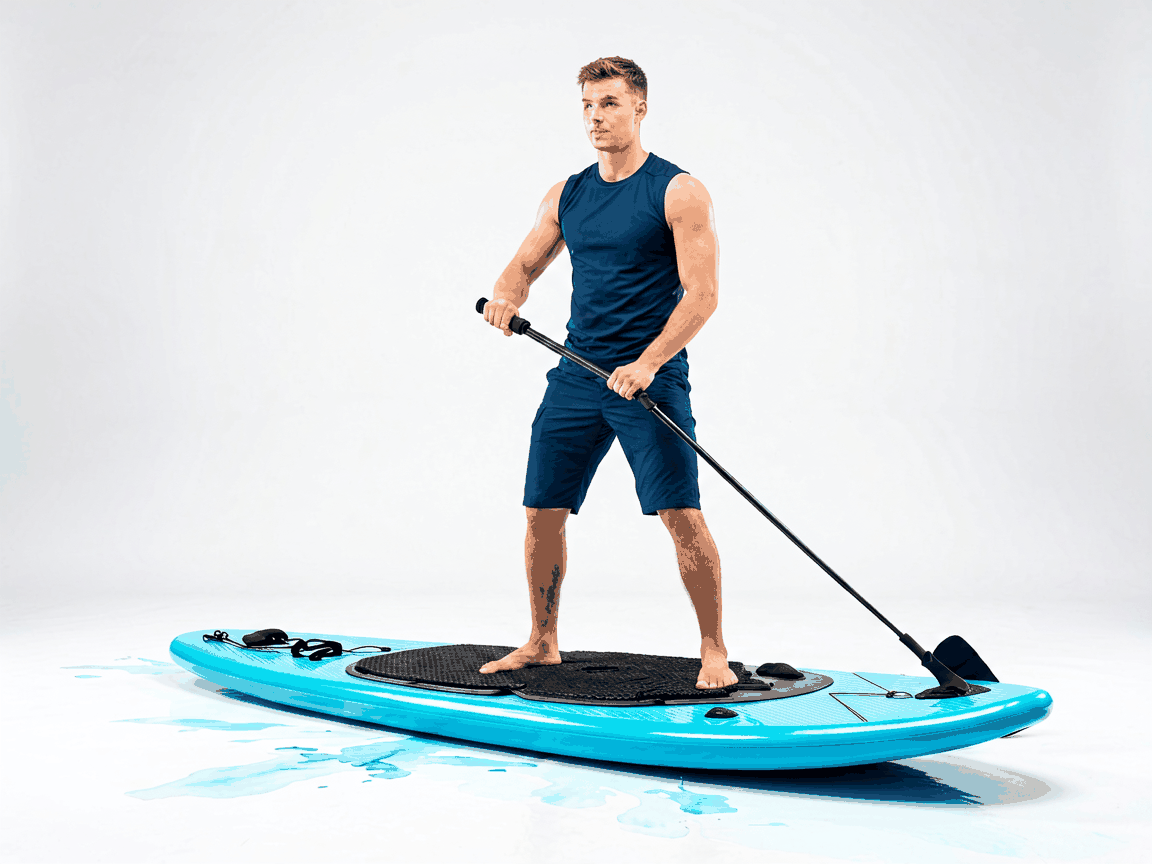
Best Cheap Electric Surfboard
Best Cheap Electric Surfboard
Electric surfboards combine battery-powered propulsion with hydrodynamic hull design to enable wave-independent riding. For industrial buyers evaluating entry-level models, understanding the trade-offs between cost, performance, and durability is essential to minimize total ownership risk.
The term "cheap" in this context refers to boards priced under $3,000 USD, targeting recreational and light commercial use where extreme performance is not the primary requirement. These units prioritize simplicity, standardized components, and ease of maintenance over peak speed or extended range.
Core Technical Specifications
Most affordable electric surfboards use a sealed lead-acid or lithium-ion battery pack integrated into the board’s core, driving a single rear-mounted propeller via a waterproof brushless motor. Typical motor power ranges from 3 to 5 kW, enabling top speeds between 20 and 28 km/h depending on rider weight and water conditions.
Battery capacity generally falls between 200Wh and 400Wh, providing 20 to 40 minutes of continuous operation per charge. Charging times vary from 2 to 4 hours using standard 110V/220V AC chargers, with some models supporting fast-charging options that reduce downtime to under 90 minutes.
Hull construction commonly employs rotomolded polyethylene or ABS plastic for impact resistance and UV stability. These materials offer a favorable strength-to-weight ratio, with board weights typically between 15 and 25 kg, making manual transport and storage feasible for single operators.
Performance and Operational Characteristics
Acceleration is managed via a handheld wireless throttle, usually offering 3 to 5 preset speed levels. Response time from idle to full thrust averages 1.5 to 2.5 seconds, which is sufficient for recreational use but may limit responsiveness in dynamic water environments.
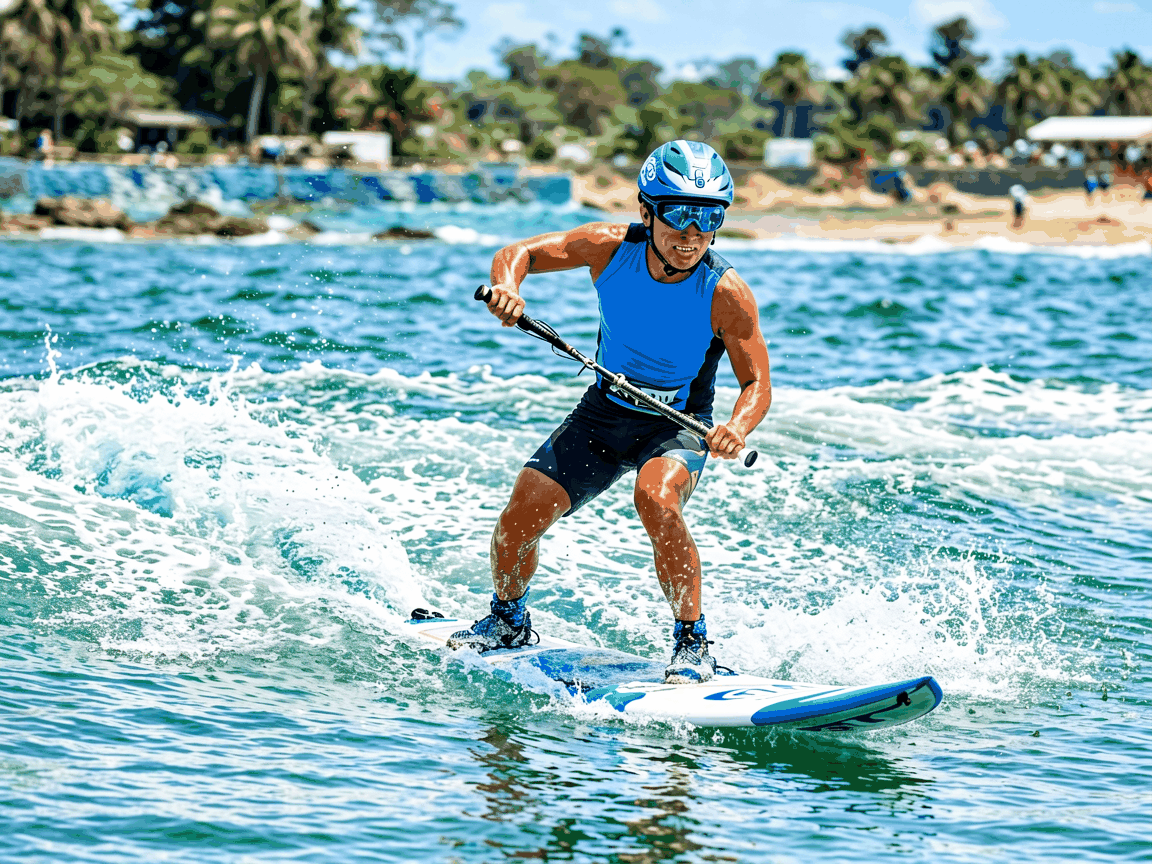
Steering relies on body weight shifting, similar to traditional surfing, as most low-cost models lack active rudder or fin control systems. This design reduces mechanical complexity and failure points but requires rider skill to maintain directional control, especially at higher speeds or in choppy conditions.
Waterproofing is achieved through IP67-rated enclosures for electronics and battery compartments, protecting against temporary immersion. However, prolonged exposure to saltwater necessitates rinsing with fresh water after each use to prevent corrosion of connectors and mounting hardware.
Comparison Table: Entry-Level Electric Surfboards
| Specification | Typical Value (Low-Cost Models) | Notes |
|---|---|---|
| Motor Power | 3–5 kW | Brushless DC, water-cooled or sealed |
| Battery Type | Li-ion or Sealed Lead-Acid | Li-ion offers better weight-to-energy ratio |
| Battery Capacity | 200–400 Wh | Directly affects runtime |
| Top Speed | 20–28 km/h | Dependent on rider weight and water conditions |
| Runtime per Charge | 20–40 minutes | Based on continuous use at medium speed |
| Charge Time | 2–4 hours | Standard AC charger; fast charge optional |
| Hull Material | Rotomolded PE or ABS | Impact-resistant, UV-stabilized |
| Weight | 15–25 kg | Includes battery and motor |
| Max Rider Weight | 100–120 kg | Exceeding this may reduce performance |
Applications in Light Commercial and Recreational Settings
These boards are commonly used in rental operations at lakes, calm coastal zones, and water parks where consistent wave generation is unreliable. Their simplicity allows staff with minimal training to deploy, monitor, and retrieve units safely, reducing operational overhead.
In guided tour scenarios, electric surfboards enable access to remote shorelines or calm inland waterways without requiring paddling or wind-dependent equipment. Guides can maintain group cohesion more easily than with traditional paddleboards, as speed is controllable and uniform across riders.
Some resorts and recreational facilities use them for beginner water sports instruction, as the learning curve is shorter than for traditional surfing. The predictable propulsion allows instructors to focus on balance and stance rather than wave timing or paddling technique.
Maintenance and Lifecycle Considerations
Routine maintenance includes inspecting propeller clearance for debris, checking throttle and battery connections for corrosion, and verifying seal integrity around the motor housing. Most manufacturers recommend a freshwater rinse after saltwater exposure and monthly visual checks of the battery casing for swelling or damage.
Battery degradation is the primary factor affecting long-term value. Lithium-ion packs typically retain 70–80% of original capacity after 300–500 charge cycles, while sealed lead-acid variants may decline faster under frequent deep discharges. Proper storage—cool, dry, and at partial charge when unused for extended periods—can extend usable life.
Spare parts availability varies by brand. Propellers, throttles, and charging cables are often standardized and replaceable, but integrated components like motor controllers or sealed battery packs may require factory service. Buyers should verify local support options before purchase to avoid prolonged downtime.
Cost of Ownership and Value Assessment
The initial purchase price under $3,000 USD often excludes essential accessories such as spare batteries, carrying cases, or upgraded chargers. Factoring in these items can increase total acquisition cost by 20–40%, which should be included in budget planning for commercial operators.
Operational costs are low, primarily limited to electricity for charging (approximately $0.10–$0.30 per full charge) and periodic replacement of wear items like propellers or seals. Compared to fuel-powered personal watercraft, electric surfboards eliminate fuel expenses, emissions, and noise-related restrictions in sensitive areas.
Depreciation tends to be linear over 2–3 years for rental fleets, after which resale value drops significantly due to battery wear and model obsolescence. Buyers should assess whether the expected usage hours justify the investment based on projected revenue per hour in their specific market.
For detailed specifications, customization options, or quotation requests for electric surfboards suited to your operational requirements, contact our technical team.
Request Information