China Electric Surfboard
China Electric Surfboard: Technical Overview for Industrial Applications
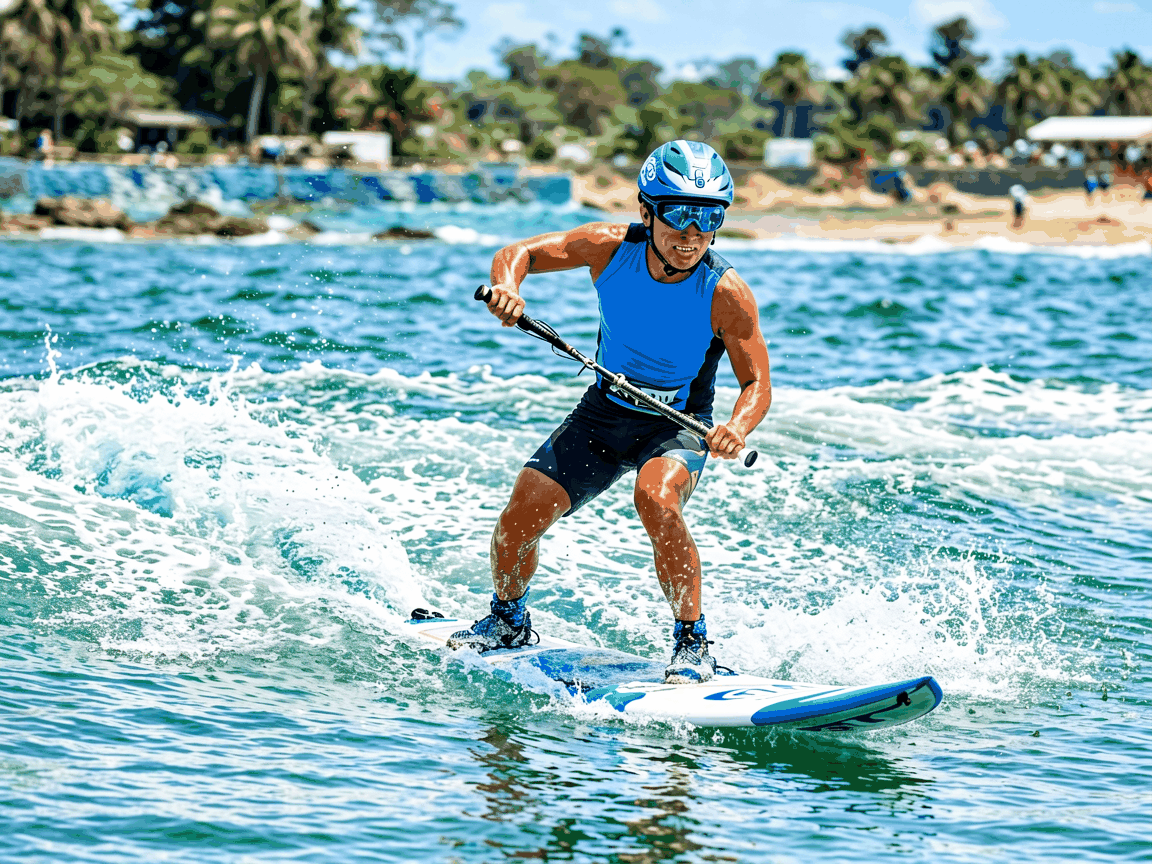
Electric surfboards manufactured in China represent a growing segment of personal watercraft designed for recreational and light commercial use. These devices integrate electric propulsion systems with hydrodynamic hull designs to enable rider-controlled movement on water surfaces without waves or wind.
Industrial buyers evaluating these products typically focus on powertrain efficiency, battery safety, structural integrity under dynamic loads, and compliance with maritime safety standards for deployment in rental operations, training facilities, or guided tour programs.
Core System Architecture
The fundamental architecture consists of three integrated subsystems: a sealed brushless DC motor driving a jet pump or propeller, a lithium-ion battery pack housed in a watertight compartment, and an electronic speed controller (ESC) managing power delivery based on rider input via a handheld throttle or pressure-sensitive footpad.
Motor power ratings typically range from 5 kW to 15 kW peak, with continuous output limited by thermal management capabilities. Jet pump systems are preferred in shallow-water environments due to reduced entanglement risk, while propeller designs offer higher top speeds in open water.
Battery voltage systems commonly operate at 48V or 72V nominal, with capacity ranging from 20 Ah to 40 Ah. Energy density and thermal stability are critical factors influencing runtime and safety, particularly in prolonged use or high-temperature conditions.
Hull Construction and Materials
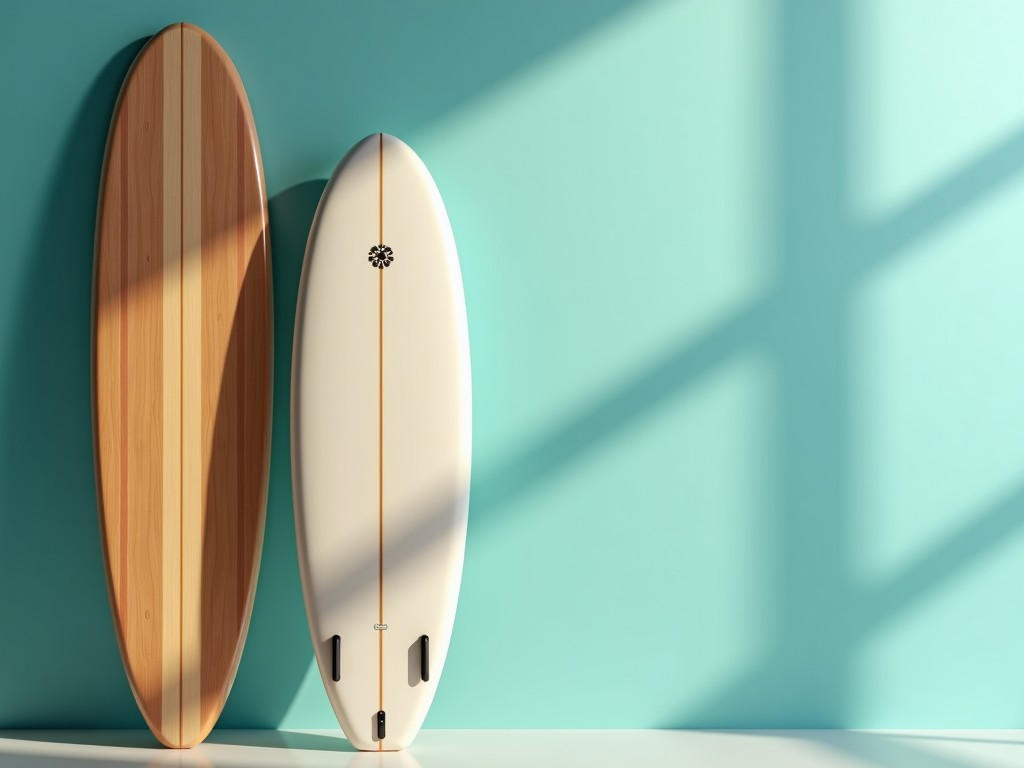
Hull materials directly affect buoyancy, impact resistance, and long-term durability. Common constructions include EPS foam cores reinforced with fiberglass or carbon fiber laminates, or rotomolded polyethylene shells. Each approach presents trade-offs in weight, repair complexity, and UV resistance.
Fiberglass-reinforced EPS hulls offer high stiffness-to-weight ratios, beneficial for responsiveness and efficiency, but require gelcoat protection against water ingress. Polyethylene hulls provide superior impact tolerance and require no painting, though they are heavier and less rigid, potentially affecting handling precision.
Reinforcement zones around motor mounts, battery compartments, and throttle mechanisms are critical failure points. Manufacturers often use localized carbon fiber patches or additional layup layers in these areas to distribute stress and prevent delamination under repeated loading cycles.
Battery Safety and Management
Lithium-ion battery safety is a primary concern in marine environments due to the risk of thermal runaway if cells are damaged, overcharged, or exposed to saltwater ingress. Industrial-grade systems typically employ lithium iron phosphate (LFP) chemistry for enhanced thermal stability, despite lower energy density compared to NMC alternatives.
Battery packs are enclosed in IP68-rated housings with pressure equalization valves to manage internal gas buildup. Internal monitoring includes cell voltage balancing, temperature sensing at multiple points, and current leak detection. Cutoff mechanisms activate if voltage deviates beyond safe thresholds or if immersion sensors detect unintended water entry.
Charging systems use isolated, marine-grade connectors with automatic shutoff upon full charge. Some designs incorporate passive cooling via heat sinks or active liquid cooling loops to maintain cell temperatures below 45°C during operation, extending cycle life and reducing degradation.
Control Systems and Rider Interface
Rider control is delivered through either a wireless handheld throttle or a pressure-sensitive deck pad. Handheld units offer precise throttle modulation and often include kill switches that disengage power if the rider falls off. Deck-mounted systems rely on weight distribution and foot pressure, reducing handheld device loss risk but offering less granular control.
Signal transmission uses 2.4 GHz FHSS (Frequency Hopping Spread Spectrum) technology to minimize interference. Latency is typically under 50 ms, ensuring responsive acceleration. Redundant safety protocols include automatic motor cutoff after 3 seconds of signal loss and tilt sensors that disable power if the board exceeds 45 degrees of pitch or roll.
Some industrial models feature GPS-based geofencing to limit operational range in rental scenarios, with speed limiting tied to geographic zones. Data logging capabilities may record usage duration, distance traveled, and battery cycles for maintenance scheduling.
Performance Characteristics
Typical performance metrics vary by model and configuration. Continuous speed ranges from 25 to 35 km/h, with burst speeds reaching up to 45 km/h in high-power variants. Runtime depends on battery capacity, rider weight, and operating conditions, generally falling between 20 and 45 minutes of active use per charge.
Charge time ranges from 2 to 4 hours using standard AC chargers, with optional fast-charging systems reducing this to under 90 minutes. Regenerative braking is rarely implemented due to low energy recovery potential at low speeds and added system complexity.
Maximum rider weight capacity typically ranges from 100 kg to 130 kg. Boards designed for heavier users incorporate increased hull volume and reinforced motor mounts to maintain stability and prevent cavitation under load.
Comparison of Common Configurations
| Parameter | Jet Pump Model | Propeller Model |
|---|---|---|
| Motor Type | Brushless DC, water-cooled | Brushless DC, air or water-cooled |
| Propulsion Method | Axial flow jet pump | Open propeller |
| Shallow Water Suitability | High (no exposed blades) | Low (risk of damage/entanglement) |
| Top Speed (Typical) | 30–35 km/h | 35–45 km/h |
| Maintenance Complexity | Lower (sealed system) | Higher (propeller inspection, balancing) |
| Ideal Use Case | Rental fleets, training zones, lakes | Open water, guided tours, performance |
*Note: Values represent typical ranges; actual performance depends on specific model, battery state, and environmental conditions.
Quality Control and Testing Protocols
Industrial suppliers implement multi-stage validation to ensure reliability. Hulls undergo hydrostatic pressure testing to verify watertight integrity, followed by impact resistance tests simulating dock collisions or debris strikes. Motor assemblies are subjected to thermal cycling and salt spray exposure to assess corrosion resistance.
Battery packs receive dielectric strength testing, insulation resistance checks, and short-circuit protection validation. Final assembly includes functional verification of throttle response, kill switch operation, and automatic shutdown under simulated rider separation.
Sampling plans often follow AQL 1.0 for critical safety features and AQL 2.5 for cosmetic and functional non-critical items. Documentation includes test reports, material certificates, and conformity declarations aligned with relevant marine equipment guidelines.
Customization Options for OEM and Industrial Buyers
Manufacturers in China commonly offer configurable platforms to meet specific operational requirements. Battery capacity can be scaled within housing limits to extend runtime, though this affects weight and center of gravity. Motor KV ratings can be adjusted to prioritize torque for acceleration or RPM for top speed, depending on use case.
Hull color, logos, and deck padding are typically customizable via mold adjustments or post-molding processes. Control interface options include throttle type, kill switch placement, and optional GPS modules for fleet tracking. Saltwater-specific versions use marine-grade fasteners and additional anode protection.
Minimum order quantities for custom tooling vary by component but often start at 50 units for hull molds and 100 units for branded packaging. Engineering support for integration with docking stations, charging racks, or rental software systems is frequently available upon request.
Packaging and Logistics Considerations
Proper packaging prevents damage during transit, particularly for hollow hulls susceptible to point loads. Standard methods include double-wall corrugated boxes with custom foam inserts that cradle the hull, motor, and battery separately. Corner protectors and edge guards mitigate impact risks during handling.
Battery packs are shipped at 30–50% state of charge to comply with international dangerous goods regulations (UN 3480, Class 9). Each unit includes a battery safety data sheet and handling instructions. Palletized shipments use strapping and corner boards to prevent shifting.
Dimensions for a single packaged unit typically range from 180–200 cm in length, 60–70 cm in width, and 25–30 cm in height. Gross weight varies from 25 to 35 kg depending on battery size and hull material. Consolidated loading optimizes container utilization, with 20-foot containers accommodating approximately 20–25 units.
For technical specifications, customization inquiries, or to request a product datasheet, contact our engineering team.
Request Technical Datasheet