China Motorized Surfboard For Lake
China Motorized Surfboard for Lake
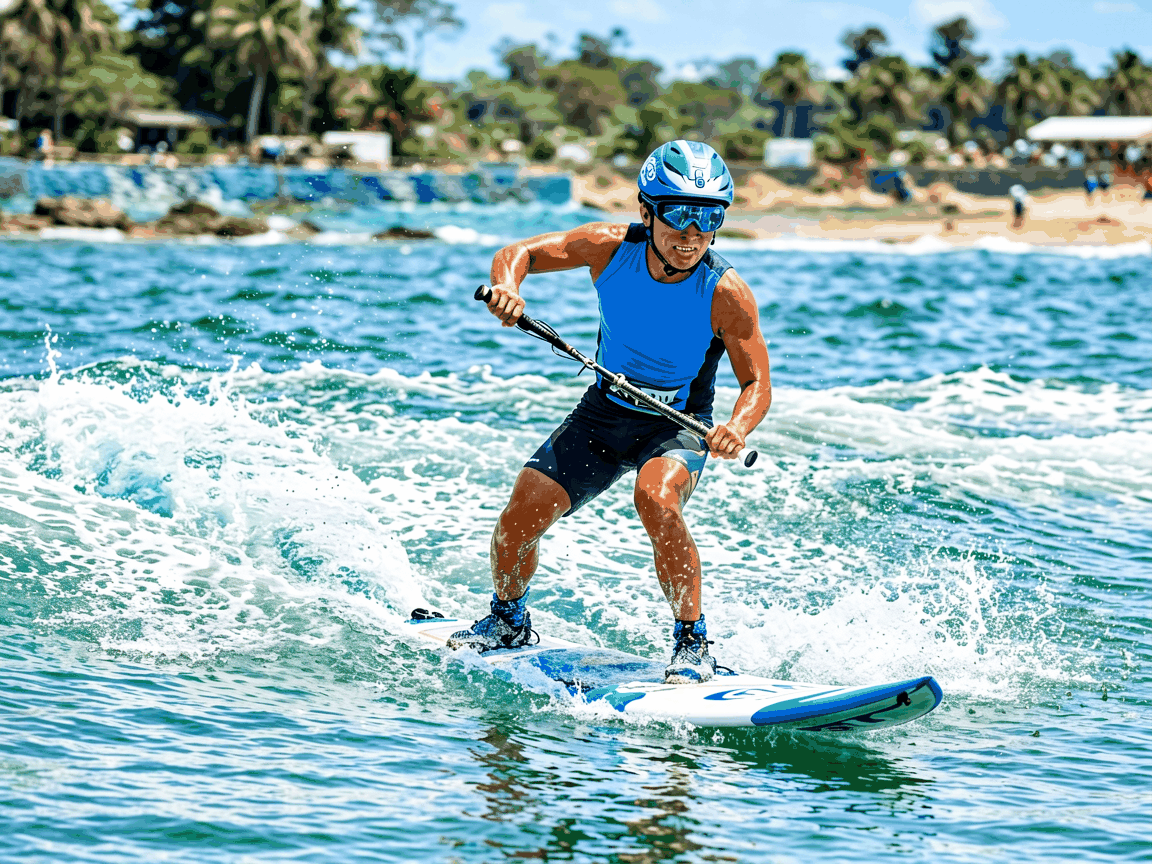
Motorized surfboards designed for lake use combine electric propulsion with hydrodynamic hull shaping to enable rider-controlled movement on flat, freshwater surfaces. Unlike ocean-focused models, lake variants prioritize stability, lower top speeds, and extended runtime to accommodate calmer conditions and longer recreational sessions.
Key Technical Specifications
Typical lake-oriented motorized surfboards feature a sealed lithium-ion battery pack ranging from 2 to 5 kWh, driving a brushless DC motor between 5 and 15 kW. This configuration provides 30 to 90 minutes of runtime at cruising speeds of 15 to 25 km/h, depending on rider weight, water conditions, and throttle use. The motor is usually mounted internally within a composite hull to protect against freshwater exposure and debris.
| Parameter | Typical Range |
|---|---|
| Battery Capacity | 2–5 kWh |
| Motor Power | 5–15 kW |
| Runtime | 30–90 min |
| Top Speed | 15–25 km/h |
| Charging Time | 2–4 hours |
Hull Design and Materials
Lake-specific models often use a wider, flatter hull profile compared to ocean boards, increasing initial stability and reducing the likelihood of tipping at low speeds. Common construction materials include epoxy-coated fiberglass, carbon fiber reinforcements, or high-density polyethylene (HDPE) skins over foam cores. These materials resist UV degradation, freshwater absorption, and minor impacts from docks or submerged objects.
Hull volume typically ranges from 180 to 250 liters, providing sufficient buoyancy for riders weighing up to 120 kg while maintaining maneuverability. Rocker (the curvature from nose to tail) is kept minimal—usually under 20 mm—to maximize planing efficiency and reduce drag in calm water.
Propulsion and Control Systems
Propulsion is delivered via a submerged jet pump or propeller system, enclosed within a protective grate to prevent entanglement with vegetation or debris common in lakes. Throttle control is handled through a wireless, waterproof remote or a hand-mounted trigger, communicating via 2.4 GHz or Bluetooth LE to the onboard electronic speed controller (ESC).
The ESC manages power delivery, monitors battery temperature and voltage, and includes safety features such as low-voltage cutoff, overcurrent protection, and automatic motor shutdown upon rider detachment (via a magnetic kill switch or pressure sensor). Most systems allow for 3 to 5 adjustable power modes, enabling beginners to start at low output while experienced riders access higher performance.
Applications in Lake Environments
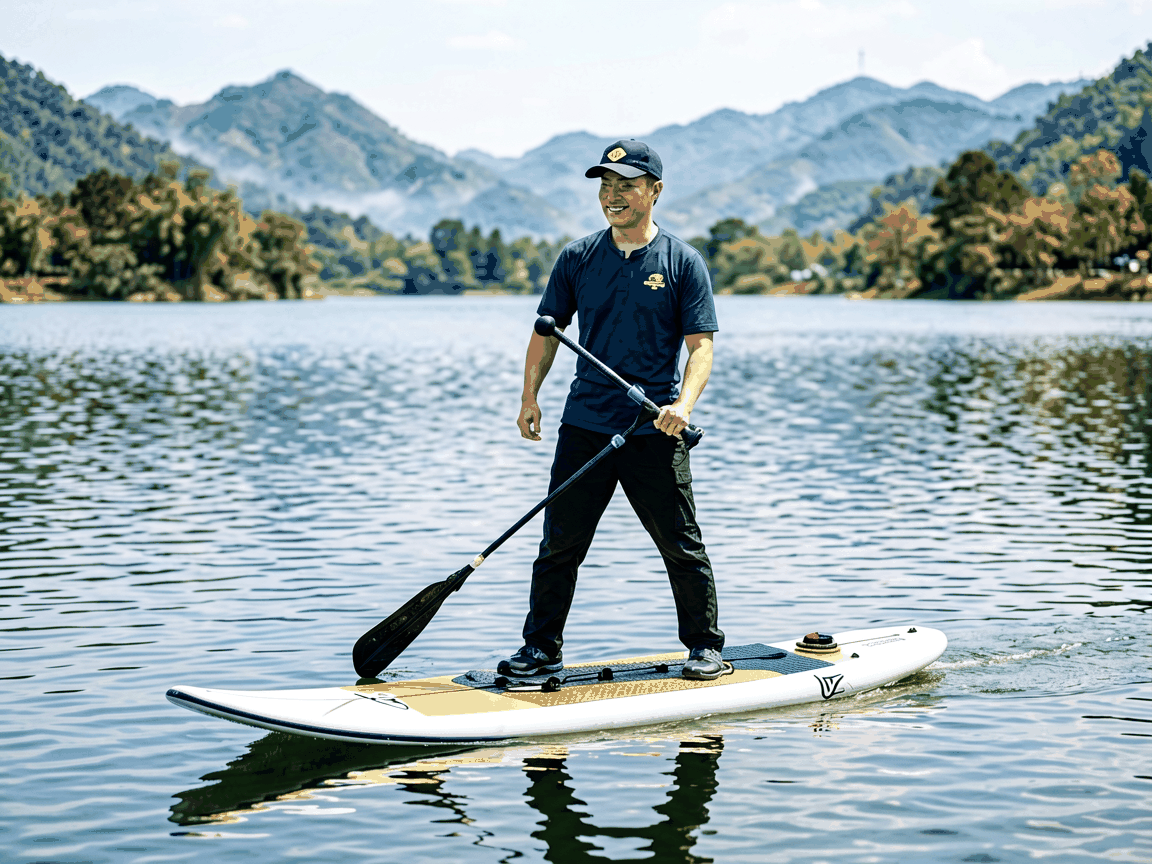
These boards are suited for recreational use on inland lakes, reservoirs, and calm rivers where wind and wave activity are low. Their quiet electric operation makes them ideal for noise-sensitive zones, such as near residential shorelines or wildlife areas, where internal combustion engines may be restricted.
Beyond leisure, motorized surfboards are increasingly used in lake-based patrol operations, environmental monitoring, and tourism rental fleets. Their low draft and minimal wake allow access to shallow or ecologically sensitive areas without disturbing sediment or aquatic life, supporting applications where traditional boats are impractical.
Customization and Integration Options
Manufacturers commonly offer adjustable motor mounts to accommodate different power units, interchangeable battery packs for extended range, and optional GPS or speedometer displays mounted on the handlebar or deck. Foot strap configurations can be tailored for wake-style riding or neutral stance preferences, and deck surfaces may feature EVA foam, diamond groove, or cork finishes for grip and comfort.
For OEM or fleet buyers, customization extends to branding, color schemes, and integration with telematics systems for usage tracking, geofencing, and remote diagnostics. Battery enclosures can be redesigned to fit specific storage racks or charging docks, particularly important for rental operations requiring rapid turnover.
Quality Control and Testing
Pre-shipment validation typically includes hydrostatic pressure testing of the hull to confirm watertight integrity, insulation resistance checks on electrical systems, and functional validation of the kill switch and throttle response under load. Battery packs undergo cycle life testing and thermal stability assessments to ensure performance consistency over time.
Boards are ballasted to simulate rider weight and tested in controlled freshwater environments to verify top speed, acceleration, turning radius, and runtime claims. Any deviations beyond ±10% from specifications trigger design review. Documentation of test results is available upon request for industrial buyers requiring compliance verification.