Electric Flying Surfboard Manufacturer
Electric Flying Surfboard Manufacturer
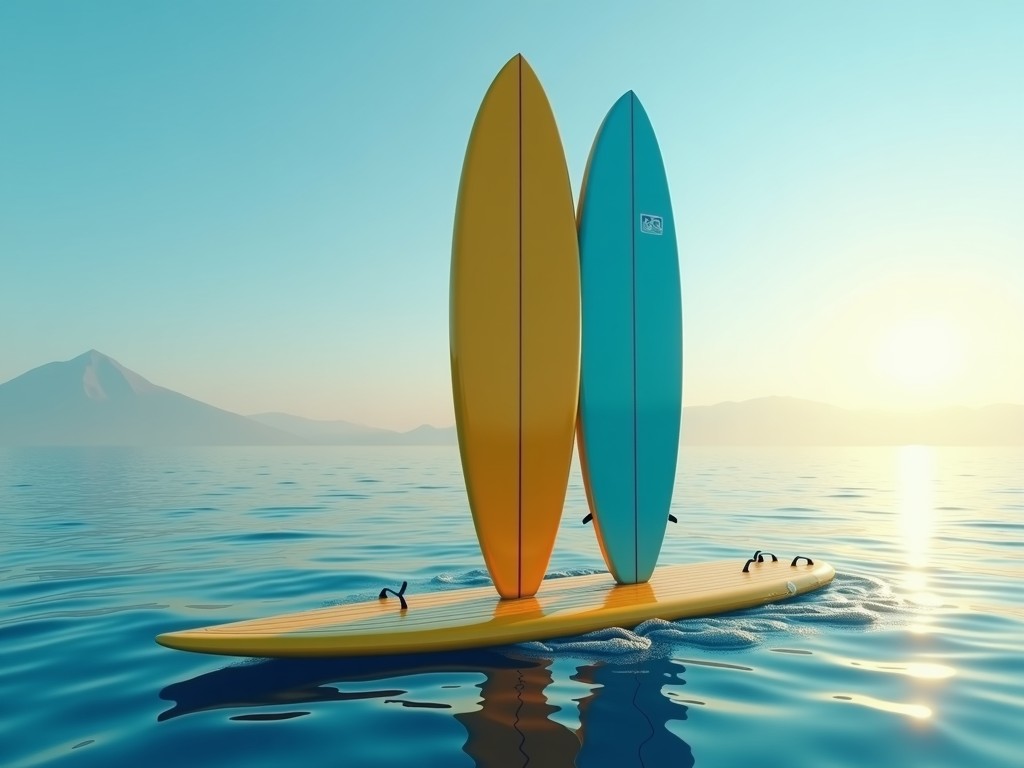
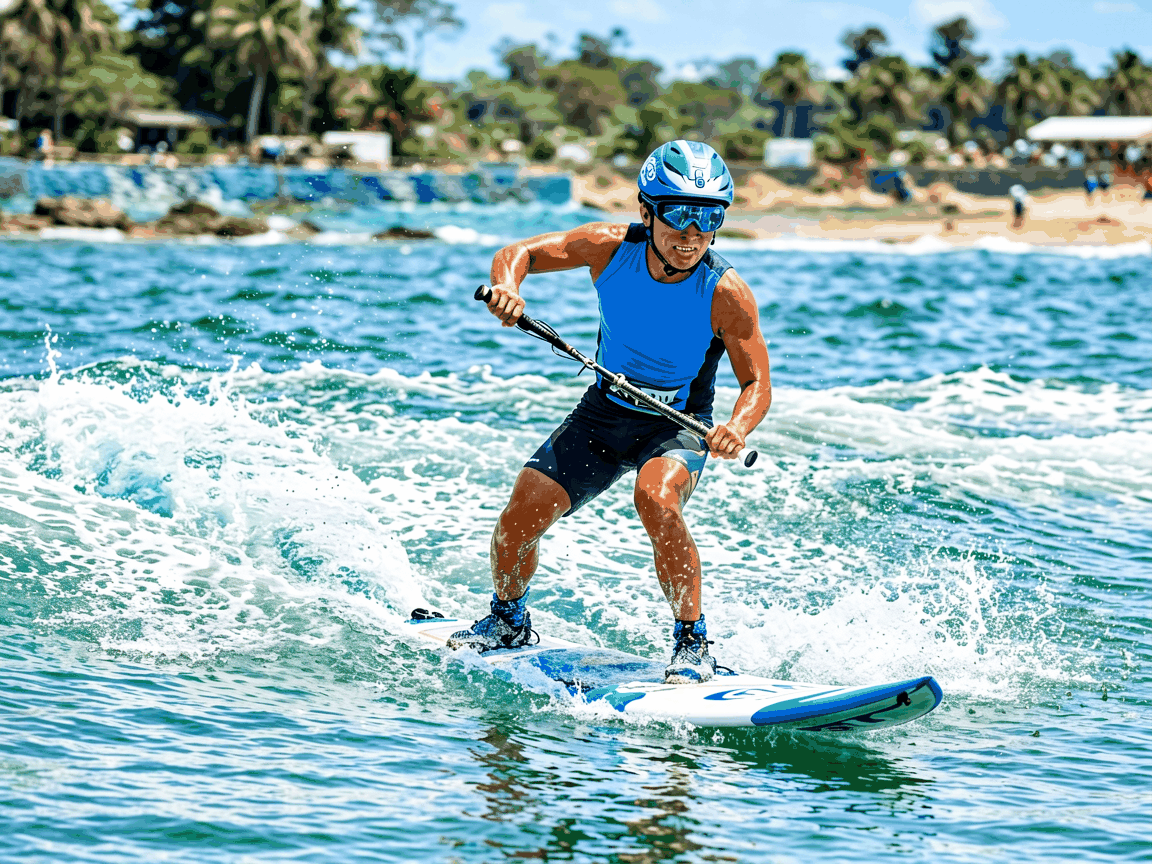
Electric flying surfboards represent a specialized category of personal watercraft that combine hydrofoil technology with electric propulsion to enable riders to glide above the water surface. These systems require precise integration of battery management, motor control, and structural engineering to achieve stable flight characteristics while maintaining safety margins for recreational and professional use.
As a manufacturer focused on industrial-grade electric flying surfboards, we design and produce complete systems tailored for rental operations, training centers, and commercial water sports facilities where reliability, maintenance accessibility, and operational uptime are critical success factors.
Core System Architecture
The fundamental architecture of our electric flying surfboards centers on a modular hydrofoil assembly connected to a sealed propulsion pod via a carbon-reinforced composite mast. This configuration allows for independent servicing of the battery, motor, and control electronics while maintaining hydrodynamic efficiency during operation.
Each propulsion unit incorporates a brushless DC motor rated for continuous operation at 15 kW peak, paired with a sensorless field-oriented controller that manages torque delivery across varying load conditions. The motor is housed in a marine-grade aluminum casing with IP68 sealing to prevent saltwater ingress.
Battery systems utilize lithium-ion cells configured in 48V nominal packs with active thermal management and cell balancing circuits. Energy density is optimized for 30-45 minutes of typical ride time at cruising speeds, with fast-charging capability enabling 80% capacity restoration in under 90 minutes using standardized charging infrastructure.
Material Selection and Structural Design
Board decks are constructed using vacuum-bagged epoxy composites with unidirectional carbon fiber reinforcement in high-stress zones, providing a flexural modulus exceeding 70 GPa while keeping total mass under 25 kg for the complete hydrofoil assembly. Surface finishes include UV-stable gel coats designed to resist delamination from prolonged sun exposure.
Masts and fuselages employ aerospace-grade 7075-T6 aluminum alloys, selected for their fatigue resistance under cyclic loading conditions typical in foil-borne operation. All welded joints undergo post-weld heat treatment and non-destructive testing to verify integrity before assembly.
Hydrofoil wings are manufactured from precast carbon fiber molds with controlled resin infusion to ensure consistent thickness and fiber orientation. Leading edges feature reinforced polymer guards to mitigate damage from debris impact, a common failure point in rental environments where operational control varies.
Performance Characteristics
| Parameter | Typical Value | Notes |
|---|---|---|
| Maximum Speed | 35 km/h | Limited by cavitation onset at foil tips |
| Takeoff Speed | 12-15 km/h | Dependent on rider weight and water conditions |
| Max Rider Weight | 120 kg | Includes safety factor for dynamic loading |
| Operating Temperature | -10°C to 45°C | Battery performance derated outside 0-35°C range |
| Charging Time (80%) | < 90 minutes | Requires 240V AC input with active cooling |
Performance metrics are validated through controlled testing in freshwater environments with standardized rider profiles. Saltwater operation may reduce effective range by 8-12% due to increased electrical conductivity and potential for marine growth on submerged components.
Customization for Commercial Operations
We offer configuration options specifically designed to address the operational demands of water sports centers and rental fleets. These include quick-release battery systems enabling swap times under 60 seconds, reinforced deck inserts for mounting instructional hardware, and standardized communication protocols for fleet monitoring systems.
Motor controllers can be programmed with adjustable performance profiles to accommodate different user skill levels — from restricted novice modes limiting speed to 18 km/h, to unlocked expert configurations utilizing full power output. These settings are managed via secure wireless interfaces to prevent unauthorized modification.
Additional customization encompasses corrosion protection packages for tropical environments, extended warranty options tied to preventive maintenance schedules, and branded finish options that maintain hydrodynamic properties while meeting visual identity requirements for operators.
Quality Control and Testing
Every completed unit undergoes a multi-stage validation process beginning with dimensional inspection of critical interfaces using coordinate measuring machines to ensure tolerances remain within ±0.2 mm for mast-to-board and mast-to-fuselage connections.
Electrical systems are subjected to hi-pot testing at 1500V DC, insulation resistance measurements exceeding 100 MΩ, and functional verification of all safety cutoffs including overcurrent, overtemperature, and submersion detection. Battery packs receive individual cell impedance testing and capacity verification before integration.
Hydrodynamic testing is conducted in tow tanks to verify lift and drag characteristics across the operational speed range, with results compared against computational fluid dynamics models to confirm design intent. Final sea trials include stability assessments in choppy conditions and emergency procedure validation for motor cutoff and buoyancy retention.
Applications in Commercial Water Sports
Electric flying surfboards are particularly suited for environments where traditional internal combustion watercraft face restrictions due to emissions, noise, or operational complexity. Coastal resorts, inland lakes with electric-only mandates, and urban waterfronts benefit from zero-local-emission operation and quiet performance that minimizes disturbance to surrounding areas.
Training centers utilize the predictable power delivery and immediate torque response to teach foil balance and weight transfer techniques without the variability associated with wave-dependent systems. The ability to operate in flat water conditions extends the usable training window significantly compared to wave- or wind-dependent alternatives.
Rental operations gain from reduced maintenance complexity — no fuel systems, exhaust components, or oil changes — translating to lower operational costs and higher asset utilization. Standardized charging infrastructure allows for overnight recharging during off-peak hours, ensuring readiness for daily deployment without requiring specialized fuel logistics.