Electric Surfboard For Adults And Beginners
Electric Surfboard for Adults and Beginners
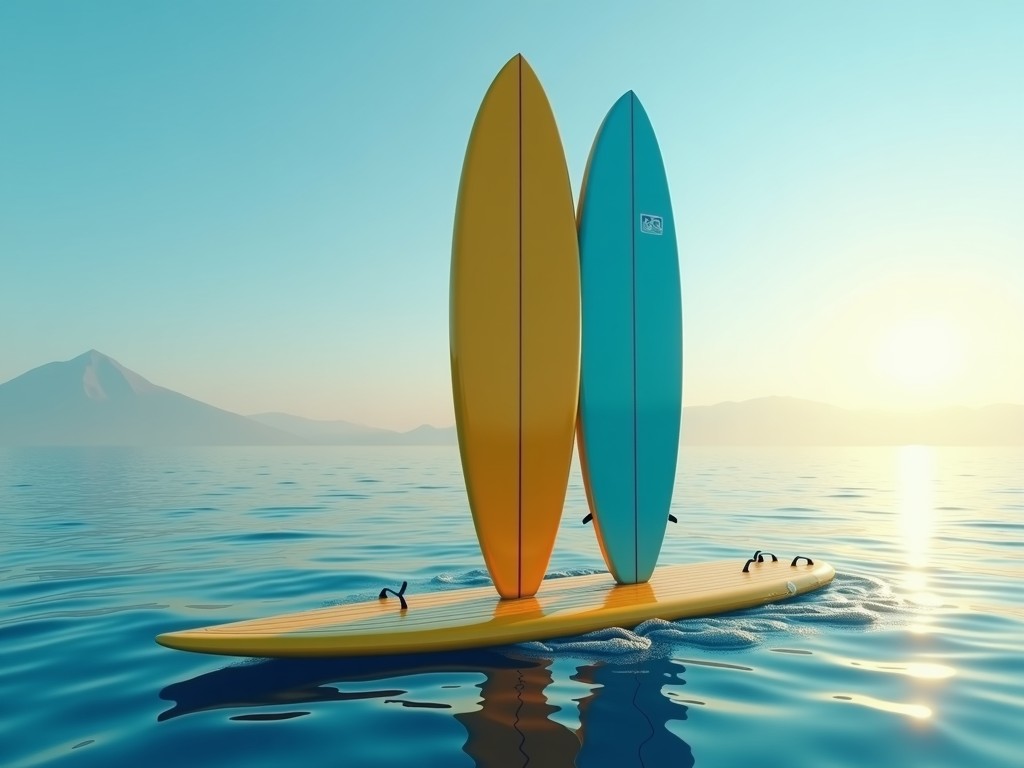
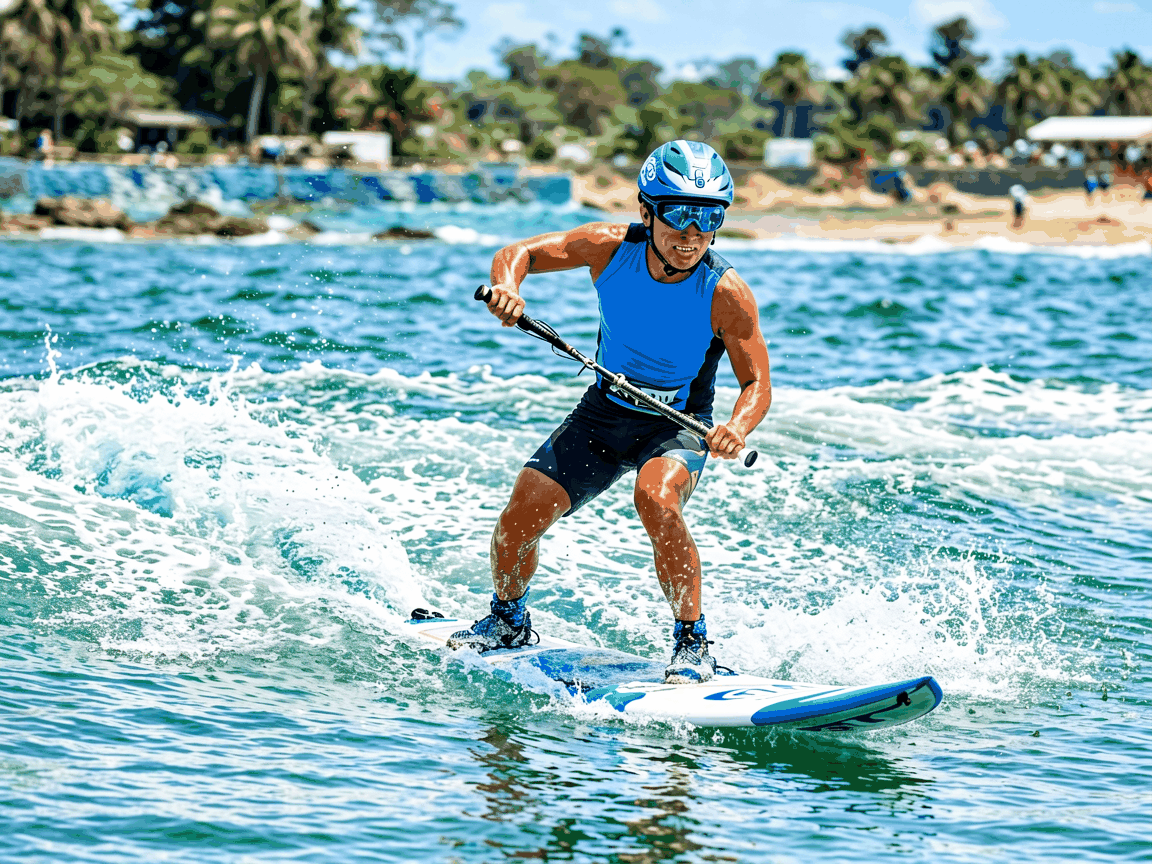
An electric surfboard designed for adult beginners balances propulsion power with stability to support skill development while minimizing the learning curve associated with traditional wave-dependent surfing. The system integrates a waterproof electric motor, battery pack, and handheld throttle into a buoyant platform shaped for predictable handling in flat or choppy water conditions.
Unlike high-performance models aimed at experienced riders, beginner-focused electric surfboards prioritize lower top speeds, wider stances, and softer rail profiles to enhance balance and reduce the likelihood of falls during initial practice sessions. These design choices directly address the biomechanical challenges new users face when coordinating throttle input, body positioning, and board control.
Material selection emphasizes impact resistance and corrosion protection without adding excessive weight that would hinder maneuverability. The board’s core structure typically combines closed-cell foam with reinforced composite layers, while external surfaces use marine-grade polymers or fiberglass to withstand prolonged exposure to saltwater, UV radiation, and minor impacts from docks or submerged objects.
Key Technical Specifications
| Parameter | Typical Value | Notes |
|---|---|---|
| Board Length | 180–210 cm | Longer boards increase stability; shorter models improve turning responsiveness |
| Board Width | 55–65 cm | Wider stance reduces tipping tendency during low-speed operation |
| Thickness | 10–15 cm | Affects buoyancy and volume; critical for supporting rider weight without submerging excessively |
| Motor Power | 3–5 kW continuous | Sufficient for planing on flat water; avoids overwhelming novice riders with abrupt acceleration |
| Battery Capacity | 2–4 kWh | Provides 30–60 minutes of runtime depending on speed, rider weight, and water conditions |
| Maximum Speed | 18–25 km/h | Limited electronically to ensure controllable learning progression |
| Charging Time | 2–4 hours | Using standard AC charger; fast charging may reduce long-term battery cycle life |
| Weight (with battery) | 18–25 kg | Influences portability and ease of remounting after falling off |
| Max Rider Weight | 100–120 kg | Determined by board volume and motor torque; exceeding this reduces performance and stability |
Design Considerations for Beginner Use
The hull shape of a beginner electric surfboard typically features a flatter rocker curve and increased volume in the nose and tail sections compared to performance models. This geometry promotes early planing at lower speeds and reduces the tendency to pearl (nose-diving) when accelerating from a stationary position—a common issue for new riders unfamiliar with weight distribution.
Soft, rounded rails minimize the chance of catching an edge during turns, which can cause sudden falls. Instead of sharp, aggressive rails designed for carving at high speed, beginner boards use blended rail profiles that allow gradual, predictable transitions when leaning into turns, helping users develop balance without abrupt loss of control.
Footstrap or deck pad placement is optimized for a neutral stance, positioning the rider’s feet slightly wider than shoulder-width apart and centered over the board’s longitudinal axis. This arrangement improves lateral stability and makes it easier to recover balance after small disturbances, such as wake from passing boats or choppy water.
Propulsion and Control System
The electric motor is usually mounted internally within a sealed cavity near the board’s center of gravity, driving a jet pump or propeller through a shaft that passes through a watertight seal. This configuration protects the propulsion system from debris and minimizes drag compared to externally mounted alternatives.
Jet pump systems are common in beginner models due to their inherent safety—there are no exposed rotating parts that could cause injury during falls or when reboarding. Water is drawn through an intake grate, accelerated by an impeller, and expelled through a steerable nozzle, providing both thrust and directional control.
The handheld throttle uses a magnetic trigger or potentiometer to send a variable signal to the electronic speed controller (ESC), which adjusts motor power in real time. Beginner boards often include multiple power modes (e.g., low, medium, high) that limit maximum output, allowing instructors or rental operators to restrict speed based on user proficiency.
Battery and Charging System
Lithium-ion battery packs are standard, housed in a waterproof, impact-resistant enclosure typically made from ABS or polycarbonate with silicone gaskets and corrosion-resistant fasteners. The pack is designed to withstand immersion, vibration, and temperature fluctuations encountered during marine use.
Battery management systems (BMS) monitor cell voltage, temperature, and current to prevent overcharging, deep discharge, and thermal runaway. These protections are essential for maintaining safety and longevity in a saltwater environment where moisture and conductivity increase the risk of electrical faults.
Charging is conducted via a dedicated port sealed with a threaded or push-to-connect cover rated for IP68 immersion. Most systems use a standard AC charger (100–240V input) that communicates with the BMS to regulate charge current and terminate charging when full capacity is reached.
Applications in Training and Recreation
Electric surfboards for beginners are widely used in water sports schools and rental operations where consistent wave conditions cannot be relied upon. By providing independent propulsion, these boards allow instructors to schedule lessons regardless of tide, swell, or wind, improving operational efficiency and student throughput.
Instructors can maintain a fixed position relative to the student, offering real-time feedback on stance, weight distribution, and throttle control without needing to chase or shout over distance. This proximity enhances safety and accelerates skill acquisition compared to traditional methods where communication is limited.
Recreational users benefit from the ability to explore calm lakes, rivers, and coastal areas without requiring athletic paddling strength or wave-riding expertise. The low physical barrier to entry makes electric surfboarding accessible to a broader demographic, including older adults and individuals with limited upper-body strength.
Maintenance and Longevity Factors
Post-use rinsing with fresh water is critical to remove salt, sand, and organic matter that can degrade seals, corrode fasteners, and abrade surfaces over time. Particular attention should be paid to the jet pump intake, nozzle, and charging port, where debris accumulation can lead to blockages or electrical faults.
The battery should be stored at approximately 50% charge in a cool, dry environment if the board will not be used for extended periods. Lithium-ion chemistry degrades faster when kept at full or zero charge, especially under elevated temperatures, which reduces usable capacity and increases internal resistance.
Regular inspection of the motor shaft seal, throttle cable (if wired), and footstrap attachments helps identify wear before it leads to failure. Many manufacturers provide maintenance kits containing replacement O-rings, sealant, and torque specifications for critical fasteners.
For technical specifications, customization options, or to request a quotation for electric surfboards suited to adult beginners, please contact our engineering team.
Request Information