Electric Surfboard For Lake And Ocean Riding
Electric Surfboard for Lake and Ocean Riding
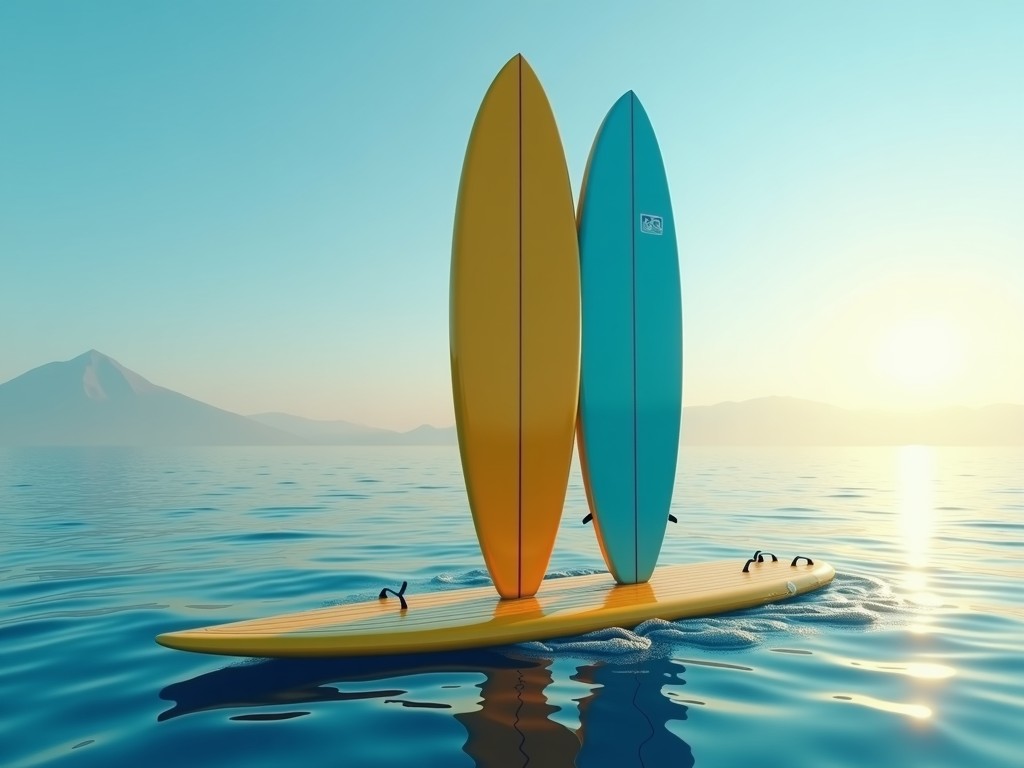
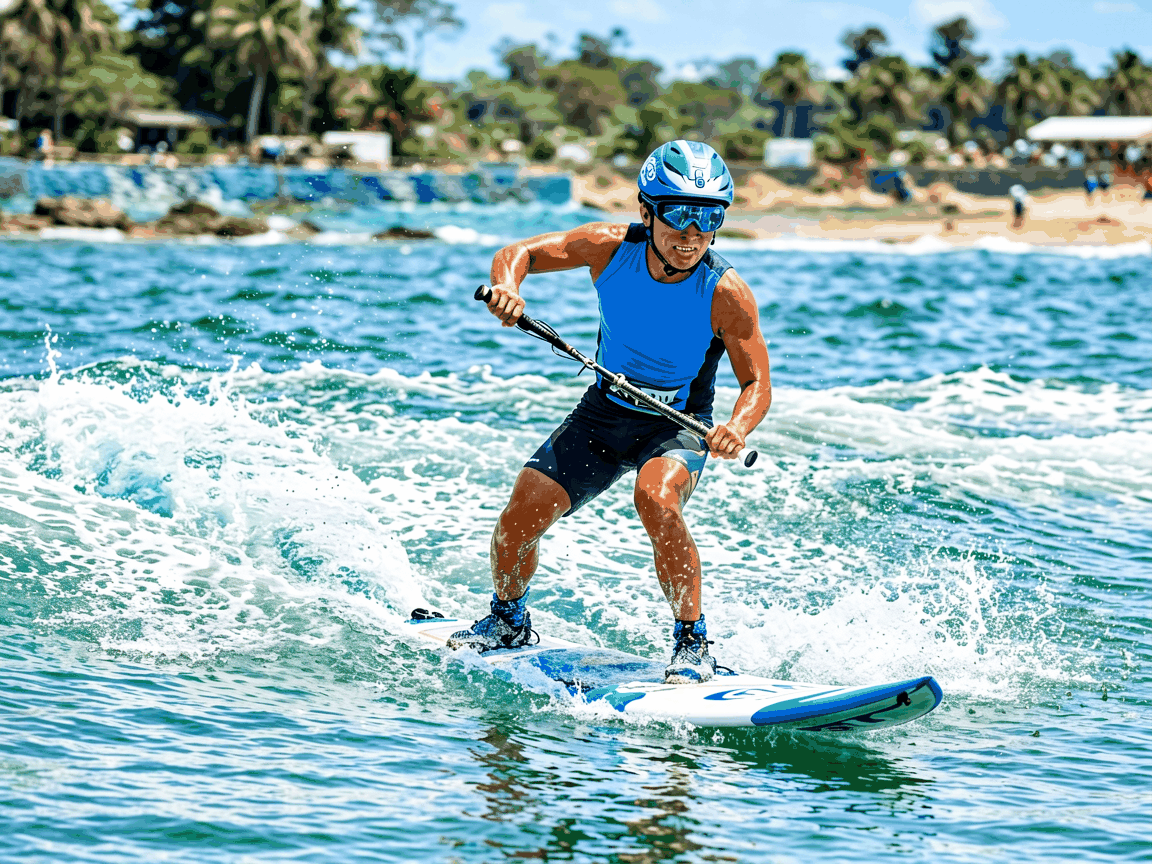
An electric surfboard integrates a sealed electric propulsion system into a hydrodynamic board platform, enabling riders to glide across water surfaces without reliance on waves or paddling. Designed for both freshwater lakes and saline ocean environments, these systems must balance power delivery, environmental sealing, and weight distribution to ensure consistent performance under variable conditions. The core technology combines a waterproof motor controller, lithium-ion battery pack, and thrust-generating impeller or jet drive, all housed within a buoyant, impact-resistant composite shell. Unlike traditional surfing, propulsion is independently controlled via a handheld wireless throttle, allowing precise speed modulation regardless of swell or wind direction. This capability extends ride duration and accessibility, particularly in calm inland waters where traditional surfing is impractical.
Key Technical Specifications
Performance is governed by motor power output, battery energy density, and hydrodynamic efficiency, all of which directly influence top speed, range, and ride time. Typical configurations use brushless DC motors rated between 5 and 15 kW peak power, paired with lithium nickel manganese cobalt oxide (NMC) or lithium iron phosphate (LFP) battery chemistries offering 300–600 Wh/kg specific energy. Board volume and shape determine buoyancy and stability, with most models displacing 120–180 liters to support rider weights up to 120 kg. Impeller pitch and nozzle diameter are optimized for cavitation resistance at speeds exceeding 35 km/h, while sealed connectors and potting compounds achieve IP68 ingress protection for prolonged submersion. Thermal management relies on passive heat sinks or liquid cooling jackets to maintain motor efficiency under continuous load.
Design Considerations for Dual Environment Use
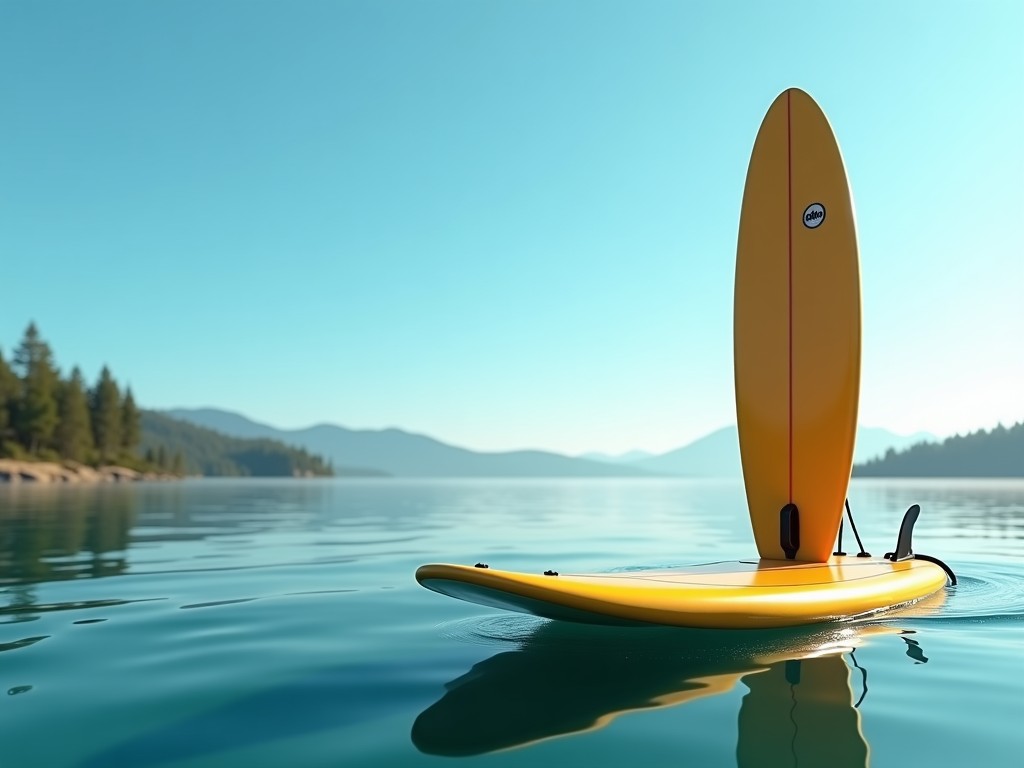
Operating in both lakes and oceans introduces distinct challenges related to corrosion, buoyancy shifts, and hydrodynamic drag. Saltwater accelerates galvanic corrosion on exposed metals, necessitating marine-grade stainless steel (AISI 316) or titanium fasteners and sacrificial anodes on submerged components. Freshwater environments, while less corrosive, may contain organic debris or variable pH levels that affect sealing longevity over time. Buoyancy compensation is required due to the ~2.5% density difference between salt and fresh water, often addressed through adjustable internal ballast or variable volume air chambers. Hydrodynamic hull forms are tuned for planing efficiency in low-chop lake conditions while retaining directional stability in ocean swell, typically featuring a moderate rocker curve and tapered rails to balance maneuverability and tracking.
Material Selection and Construction
Structural integrity and impact resistance are achieved through layered composite layups, commonly combining epoxy resin with carbon fiber, fiberglass, or basalt fabric for optimal strength-to-weight ratios. The deck surface often incorporates a textured EVA foam pad for traction, while the bottom layer uses a urethane-coated polyester film to resist abrasion from sand, rocks, or docks. Internal compartments house the battery and electronics in vacuum-formed ABS or polycarbonate enclosures, sealed with O-rings and conformal coating on circuit boards to prevent moisture ingress. Bonding techniques use structural adhesives alongside mechanical fasteners to distribute stress and avoid stress concentrations at drill points. All materials undergo UV stabilization testing to resist degradation from prolonged sun exposure during storage and use.
Performance Comparison: Lake vs. Ocean Operation
| Parameter | Lake Conditions | Ocean Conditions |
|---|---|---|
| Typical Top Speed | 35–45 km/h | 30–40 km/h |
| Range (Economic Cruise) | 20–30 km | 15–25 km |
| Motor Load Profile | Steady, low turbulence | Variable, wave-induced drag |
| Corrosion Risk | Low (freshwater) | High (saltwater) |
| Buoyancy Adjustment Needed | Rare | Common (post-transition) |
Control System and Rider Interface
Rider input is managed through a waterproof, floating wireless remote that communicates via 2.4 GHz RF or Bluetooth Low Energy (BLE) to an onboard receiver, typically rated for operation up to 500 meters line-of-sight. The throttle uses Hall-effect sensors for non-contact, wear-resistant actuation, with adjustable acceleration curves to suit novice or expert riders. Safety features include automatic motor cut-off upon remote loss of signal (fail-safe), submersion detection via conductivity sensors, and over-temperature shutdown for battery and motor protection. Feedback is delivered through LED indicators or haptic pulses on the remote, signaling battery level, system status, or fault conditions. Some systems integrate GPS-based speed tracking and ride logging via smartphone apps, storing data locally or syncing to cloud platforms for performance analysis.
Applications and Operational Profiles
Electric surfboards serve recreational, training, and niche commercial applications where wave independence and quiet operation are advantageous. In lake environments, they enable extended riding sessions during calm mornings or evenings when wind swell is absent, supporting fitness training, yoga on water, or guided eco-tours without noise pollution. Ocean use focuses on flat lagoons, harbor channels, or protected bays where wave energy is insufficient for traditional surfing, allowing access to otherwise unrideable zones. Rescue teams deploy modified versions with tow points and increased buoyancy for rapid response in swimmer assist scenarios, leveraging silent approach and instant throttle response. Rental operations in coastal resorts utilize standardized fleets with swappable battery systems to minimize downtime between uses, supported by onboard diagnostics for predictive maintenance.
Quality Assurance and Testing Protocols
Manufacturing validation includes hydrostatic pressure testing of sealed enclosures to 1.5 atmospheres for 30 minutes to verify IP68 compliance, followed by thermal cycling between -10°C and 50°C to assess material fatigue and seal integrity. Each unit undergoes dynamic load testing on a water dynamometer to measure thrust output across RPM ranges, validating power delivery consistency under simulated lake and ocean resistance profiles. Battery packs are subjected to vibration profiles mimicking rough-water transport and overcharge/short-circuit tests per IEC 62133 standards. Final inspection includes functional checks of all safety cut-offs, remote pairing verification, and visual inspection for delamination, osmosis, or surface defects. Documentation provides traceability via serial-linked build records, including material lot numbers, test results, and final QA sign-off.
For detailed configuration options, performance data under specific environmental conditions, or integration support for fleet deployment, contact our technical team to discuss your project requirements.
Request Technical Specification