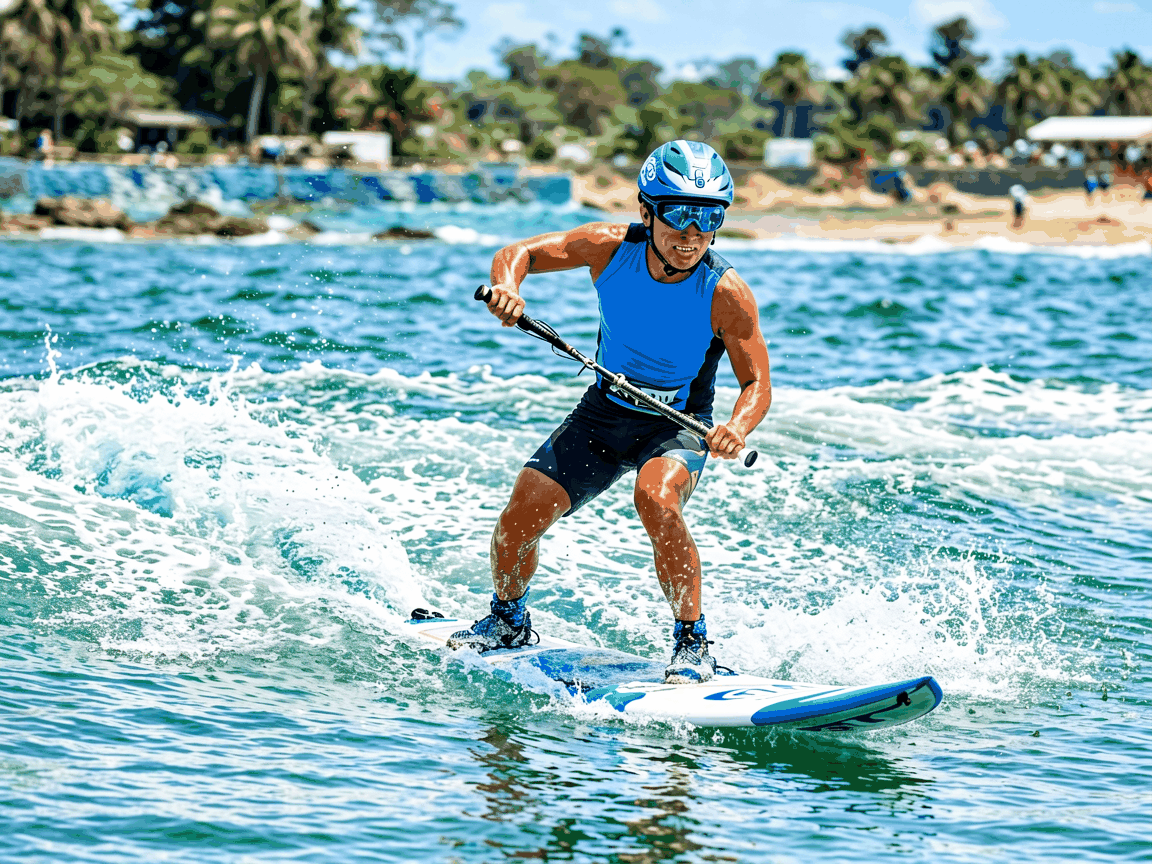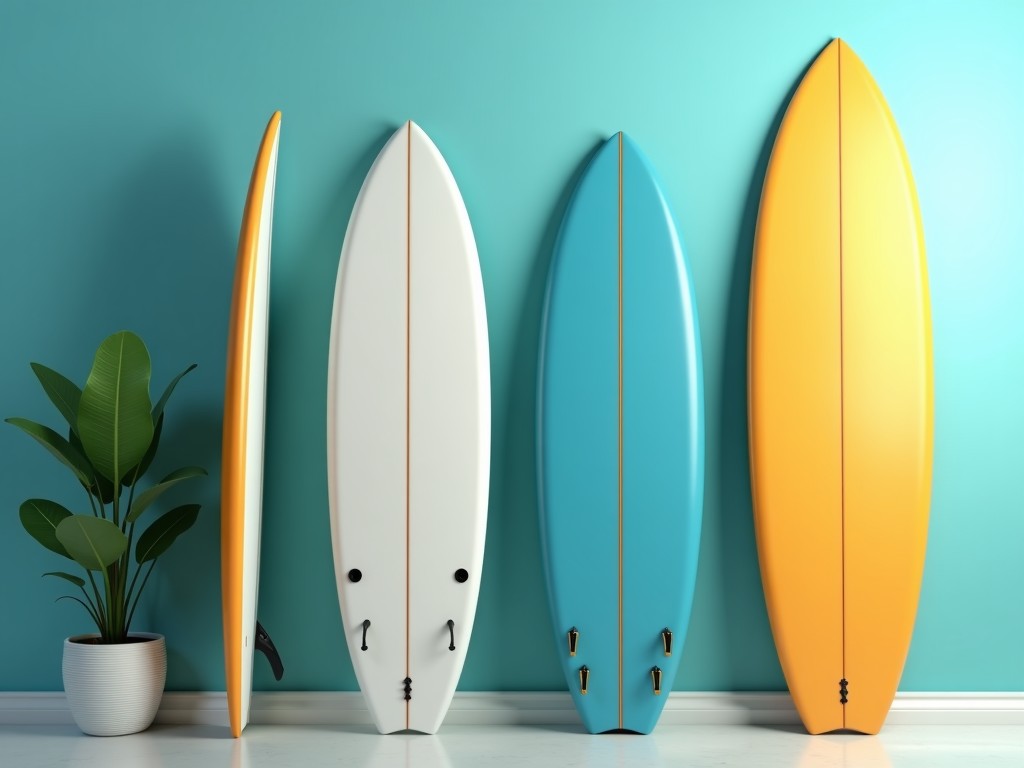
High Quality 12Kw Surfboard
High Power 12kW Electric Surfboard System
This section details the technical specifications, operational parameters, and engineering considerations for a 12kW electric surfboard propulsion system designed for industrial and commercial water sports applications. The system integrates a high-efficiency brushless motor, liquid-cooled inverter, and sealed battery pack to deliver consistent thrust in marine environments. Understanding these elements supports informed evaluation for procurement, integration, and long-term operational planning.
Core Propulsion Architecture
The propulsion unit centers on a permanent magnet synchronous motor (PMSM) rated for continuous 12kW output at 3000 RPM, with peak capability up to 18kW for short durations. Motor windings are Class H insulated (180°C rating) and impregnated with marine-grade varnish to resist saltwater ingress and thermal cycling. The stator employs segmented copper windings to minimize eddy current losses, achieving a peak efficiency of 94% under optimal load conditions. Rotor inertia is minimized through segmented neodymium magnets (N35SH) to improve throttle response and reduce cavitation risk during rapid acceleration.
Torque is transmitted via a direct-drive system to a marine-grade propeller, eliminating mechanical transmission losses associated with gearboxes. The propeller is constructed from corrosion-resistant nickel-aluminum-bronze (NAB) alloy, selected for its cavitation resistance and durability in brackish and saltwater environments. Blade geometry is optimized using computational fluid dynamics (CFD) to balance thrust efficiency with minimal tip vortex formation, reducing noise and vibration transmission to the board structure.
Thermal Management and Inverter Design
Heat generated during operation is managed through a closed-loop liquid cooling system using a 50/50 propylene glycol-water mixture. Coolant circulates through microchannels in the motor stator and inverter IGBT substrates, maintaining junction temperatures below 125°C under continuous 12kW load. The system includes a redundant temperature sensor array and automatic derating protocol that reduces power output by 10% per 5°C above threshold to prevent thermal damage.
The inverter utilizes silicon carbide (SiC) MOSFETs in a three-phase bridge configuration, enabling switching frequencies up to 20kHz with lower switching losses compared to silicon IGBTs. This allows for smoother torque control and reduced acoustic noise. DC-link capacitance is sized to handle regenerative braking energy during deceleration, with overvoltage protection triggered at 410V DC. Input voltage range is 350–400V DC, compatible with standard 400V nominal battery systems.
Battery Integration and Energy Storage
The system is designed to interface with a 400V nominal lithium-ion battery pack, typically configured as 96S2P using high-nickel NMC 811 cells. Each cell is rated for 3.7V nominal and 4.2V max charge, with a continuous discharge capability of 3C. The pack includes cell-level monitoring via a distributed battery management system (BMS) that tracks voltage, temperature, and state of charge (SoC) with ±1% voltage accuracy and ±2% SoC estimation error under dynamic load conditions.
Total usable energy capacity is approximately 8.6 kWh, providing an estimated operational range of 25–35 minutes at sustained 12kW draw, depending on rider weight, water conditions, and duty cycle. The battery enclosure is IP68 rated, constructed from 316L stainless steel with double O-ring seals and pressure equalization valves to prevent ingress during submersion or rapid depth changes. Thermal propagation barriers between cells are made of phase-change material (PCM) to delay thermal runaway propagation.
Control System and User Interface
Motor control is managed by a field-oriented control (FOC) algorithm running on a 32-bit microcontroller with hardware acceleration for PID loops and Clarke/Park transforms. Throttle input is sourced from a hall-effect trigger or pressure-sensitive footpad, providing 0–100% command resolution with <10ms latency. The system includes multiple riding modes: Eco (6kW limit), Sport (10kW), and Performance (12kW continuous), selectable via a waterproof rotary switch or Bluetooth-enabled mobile application.
Real-time telemetry includes motor temperature, inverter current, battery voltage, state of charge, and estimated remaining runtime. Data is transmitted via CAN bus to a sealed display unit mounted on the board’s handlebar, featuring a 1.3-inch transflective LCD with sunlight readability and IP67 rating. Fault logging is stored in non-volatile memory and can be retrieved via diagnostic port for maintenance analysis.
Mechanical Integration and Board Compatibility
The propulsion module is designed for integration with standard surfboard or stand-up paddleboard (SUP) platforms ranging from 5'8" to 8'0" in length. Mounting is achieved through a universal aluminum adapter plate that bolts to existing fin box systems or via a custom through-hull flange for purpose-built boards. The system adds approximately 18–22 kg to the board’s total weight, depending on battery size and enclosure materials, which affects buoyancy and requires corresponding volume adjustment in the board’s foam core.
Hydrodynamic testing indicates that the added mass and drag from the propulsion unit reduce paddling efficiency by approximately 15–20% when operating in passive mode (motor off). To compensate, boards intended for electric propulsion often feature increased volume (typically 5–10L) and a flatter rocker profile to maintain stability and ease of wave entry. The propeller is positioned 50–70mm below the board’s baseline to ensure full submersion during operation while minimizing spray and ventilation risks.
Environmental and Operational Considerations
All external fasteners are made from grade 316 stainless steel to resist galvanic corrosion in saline environments. Sealing points use nitrile or EPDM O-rings with durometer ratings between 60–70 Shore A, selected for compression set resistance and compatibility with coolant and seawater. The system is designed for operation in water temperatures ranging from 0°C to 40°C, with performance derating applied below 5°C due to increased electrolyte viscosity in the battery and reduced coolant flow efficiency.
Maintenance intervals are recommended every 50 operational hours or quarterly, whichever comes first. Inspection items include propeller wear, seal integrity, coolant concentration and pH, electrical connection torque, and firmware version. The system supports over-the-air (OTA) updates via Bluetooth for control algorithm improvements and diagnostic enhancements. Saltwater flush procedures are advised after each use in marine environments to prevent crystalline deposits on external surfaces.
Typical Configuration and Customization Options
| Parameter | Typical Value | Customizable? |
|---|---|---|
| Motor Continuous Power | 12 kW | No (fixed by design) |
| Motor Peak Power | 18 kW | No |
| Battery Voltage (Nominal) | 400 V DC | Yes (350–450V range) |
| Battery Capacity | 8.6 kWh | Yes (4.3–17.2 kWh) |
| Cooling Method | Liquid (glycol-water) | No |
| Propeller Material | Nickel-Aluminum-Bronze | Yes (alternatives on request) |
| Control Interface | Hall-effect trigger / footpad | Yes (custom grips available) |
| Communication Protocol | CAN bus + Bluetooth LE | No |
Customization of battery capacity allows adjustment of operational range and weight distribution. Higher capacity packs increase runtime but add mass, requiring recalibration of board buoyancy and trim. Lower capacity options reduce weight for transport or racing applications but limit endurance. All custom configurations undergo validation for thermal performance, voltage compatibility, and mechanical fit before release. Custom propeller pitches are available upon request to optimize for specific use cases such as flatwater cruising versus wave riding.
Quality Assurance and Testing Protocols
Each unit undergoes a 100% functional test prior to shipment, including no-load spin test, load bank verification at 25%, 50%, 75%, and 100% rated power, and thermal soak test at 12kW for 60 minutes. Insulation resistance is measured at 500V DC between windings and ground, with a minimum acceptable value of 100 MΩ. High-pot testing is conducted at 1500V AC for 1 second between primary circuits and enclosure. Inverter switching behavior is validated using oscilloscope capture of phase currents and gate signals under dynamic load steps.
Hydrostatic testing of the battery and motor enclosures is performed at 2.0 bar gauge pressure for 10 minutes to validate IP68 sealing. Salt spray exposure follows ASTM B117 standards for 500 hours, with post-exposure inspection for corrosion, sealing degradation, and electrical continuity. Vibration testing sweeps from 5–2000 Hz at 0.5g RMS to simulate transport and operational conditions, with resonance checks and fastener torque validation post-test. All test data is retained for traceability and linked to the unit’s serial number.
Applications in Commercial and Industrial Settings
Beyond recreational use, the 12kW electric surfboard system finds application in commercial water patrol, coastal monitoring, and lifeguard operations where silent, zero-emission mobility is advantageous. The instant torque and lack of exhaust enable rapid deployment in surf zones or near swimmers without disturbing marine life or creating pollution. Battery-powered operation eliminates fuel handling risks and reduces maintenance associated with internal combustion engines, such as oil changes, spark plug replacement, and fuel system cleaning.
In training environments, the system supports consistent, repeatable power delivery for instructing beginners in balance and wave timing, as power output can be precisely limited and logged. Rental operations benefit from reduced noise complaints in residential or protected coastal areas and lower long-term operating costs despite higher initial investment. The modular design allows for rapid battery swapping, enabling extended operational availability with minimal downtime between uses.
Research institutions utilize the platform as a stable testbed for hydrodynamic sensors, underwater cameras, or environmental sampling equipment due to its stable platform and quiet operation. The CAN bus interface allows integration of external payloads for data logging or remote control. Its sealed design and resistance to fouling make it suitable for prolonged deployment in tidal or estuarine environments where traditional craft may suffer from biofouling or corrosion.
For technical inquiries, customization requests, or detailed specification sheets, contact our engineering team to discuss integration requirements and operational parameters.
Request Technical Consultation