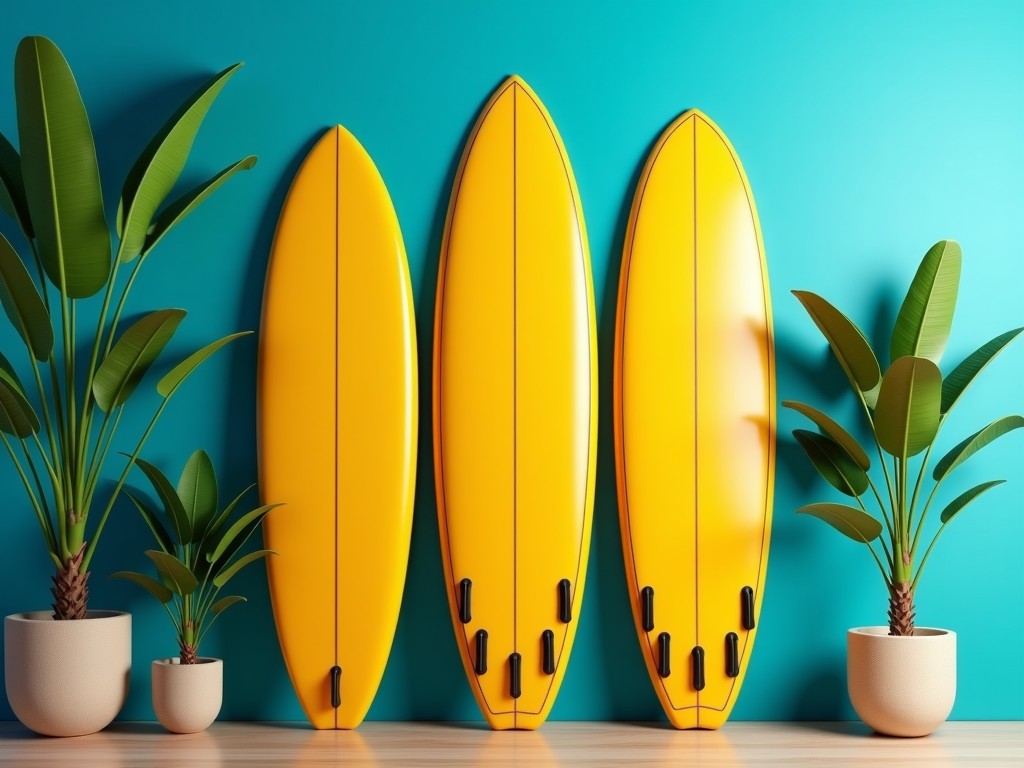
High Quality Electric Surfboard
High Quality Electric Surfboard
Core Technology and Performance Characteristics
The electric surfboard utilizes a brushless DC motor with a continuous power rating of 5 kW and peak output of 8 kW, enabling top speeds of 35–40 km/h depending on rider weight and water conditions. Torque delivery is managed via a sensorless field-oriented control algorithm, providing smooth acceleration without jerk or cogging at low speeds.
Energy storage is provided by a lithium-ion battery pack with a nominal voltage of 48 V and capacity of 20 Ah (960 Wh), delivering 20–25 minutes of continuous operation at moderate throttle. The battery uses NMC chemistry with a cycle life of 500+ cycles to 80% depth of discharge, and includes an integrated battery management system (BMS) that monitors cell voltage, temperature, and current to prevent overcharge, over-discharge, and thermal runaway.
The propulsion system features a sealed, water-cooled motor housing with an IP68 rating, allowing submersion to 1.5 meters for 30 minutes without ingress. Heat dissipation is achieved through a passive aluminum heat sink integrated into the board’s hull, maintaining motor temperature below 80°C under sustained load.
Structural Design and Materials
The board’s core is constructed from a closed-cell PVC foam with a density of 60 kg/m³, providing buoyancy of approximately 120 N while maintaining compressive strength above 0.3 MPa. This foam is sandwiched between two layers of 600 g/m² biaxial carbon fiber fabric, impregnated with epoxy resin using vacuum bagging to achieve a fiber volume fraction of 55%.
The outer shell features a UV-stabilized, abrasion-resistant coating based on aliphatic polyurethane, with a Shore D hardness of 75 and tensile strength of 35 MPa. This coating resists yellowing and micro-cracking from prolonged UV exposure and saltwater immersion, with accelerated weathering tests showing <5% gloss loss after 500 hours of QUV exposure.
All metal fasteners and hardware are made from marine-grade 316 stainless steel, offering pitting resistance equivalent number (PREN) >24 in chloride environments. Inserts and mounting points are bonded using structural adhesive with a lap shear strength of 18 MPa on composite substrates, eliminating stress concentrations from drilling.
Control System and User Interface
Rider input is processed via a wireless handheld throttle operating at 2.4 GHz with FHSS (Frequency Hopping Spread Spectrum) technology, providing a latency of <50 ms and a range of up to 50 meters in open water. The throttle uses Hall-effect sensors with a resolution of 0.1% and includes a spring-loaded deadman switch that cuts power within 100 ms of release.
The onboard controller receives throttle signals via a paired 2.4 GHz receiver and modulates motor current using PWM at 20 kHz, minimizing audible noise and electromagnetic interference. A three-color LED indicator on the board displays battery state: green (80–100%), yellow (30–79%), red (<30%), and flashing red for faults.
Safety systems include automatic motor cutoff upon detection of overcurrent (>60 A), overvoltage (>55 V), or motor temperature exceeding 85°C. The system also features a tilt sensor that disables power if the board exceeds 45° pitch or roll for more than 2 seconds, preventing operation during unstable conditions.
Typical Applications and Operational Environments
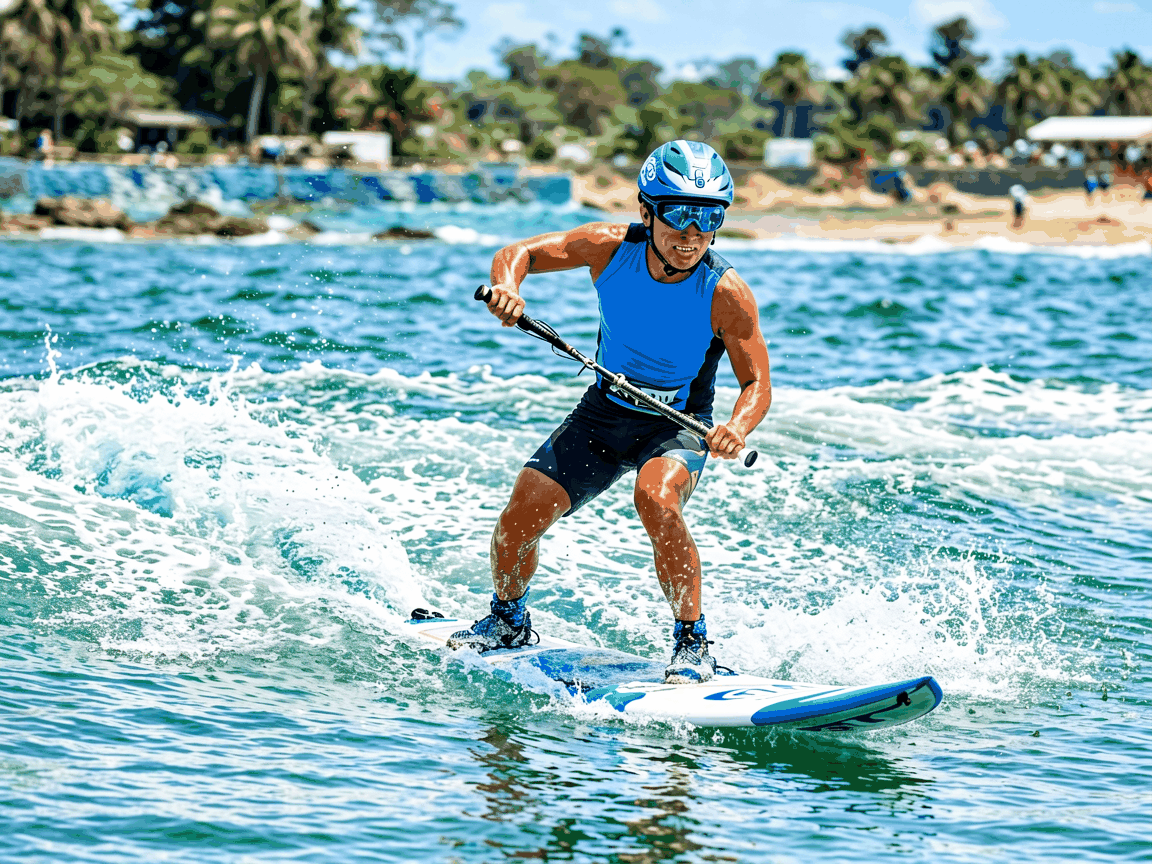
The electric surfboard is designed for use in coastal zones, lakes, and rivers with wave heights up to 1 m and current speeds below 2 knots. Its sealed propulsion system allows operation in both freshwater and saltwater environments, with no performance degradation observed after 100 hours of cumulative exposure to 3.5% saline solution.
Common applications include recreational water sports, lifeguard patrol support in calm conditions, and marine research platforms for sensor deployment in nearshore zones. The low noise signature (<65 dB at 5 m) and zero-emission operation make it suitable for use in protected marine areas where internal combustion engines are restricted.
Operational limitations include avoidance of whitewater conditions, breaking waves over 1.5 m height, and areas with submerged debris or vegetation that could entangle the propeller. Maximum recommended rider weight is 100 kg to maintain planing efficiency and battery endurance.
Quality Control and Manufacturing Considerations
Each board undergoes hydrostatic pressure testing at 20 kPa for 5 minutes to verify hull integrity, followed by a 30-minute functional test in a controlled water tank to validate motor thrust, battery discharge, and control system response. Final inspection includes verification of all seals, fastener torque (M6 bolts set to 8±1 Nm), and coating thickness (minimum 150 μm dry film).
Battery packs are subjected to vibration testing per IEC 60068-2-6 (10–500 Hz, 0.35 mm displacement, 1 octave/min) and thermal cycling (-20°C to 60°C, 10 cycles) to ensure reliability under transport and operational stress. Motor insulation resistance is measured at 500 VDC, with a minimum acceptable value of 100 MΩ between windings and housing.
Traceability is maintained through unique serial numbers etched into the hull and linked to a digital build record containing material lot numbers, curing cycles, and test results. This enables root cause analysis in the event of field performance issues and supports warranty administration.
| Parameter | Typical Value | Notes |
|---|---|---|
| Motor Power (Continuous) | 5 kW | At 48 V, 104 A |
| Battery Capacity | 960 Wh | 48 V, 20 Ah NMC |
| Max Speed | 40 km/h | Dependent on rider weight and conditions |
| Operating Time | 20–25 min | At 70% throttle |
| Board Weight | 18–20 kg | Including battery and motor |
| Max Rider Weight | 100 kg | For planing and stability |
| IP Rating (Motor) | IP68 | Submersion to 1.5 m for 30 min |
| Charging Time | 2–3 hours | With 4 A charger |
Customization Options
Motor power can be scaled between 3 kW and 7 kW continuous by adjusting winding turns and controller current limits, allowing optimization for either endurance (<4 kW) or performance (>5 kW) profiles. Battery capacity is available in 15 Ah (720 Wh) and 25 Ah (1200 Ah) variants, trading range for weight and volume.
Hull geometry can be modified within a ±10% range of length (1400–1700 mm) and width (500–650 mm) to suit different rider preferences or application needs, such as increased stability for patrol use or reduced drag for racing. Custom deck pads, foot strap configurations, and mounting points for accessories (e.g., cameras, sensors) are available upon request.
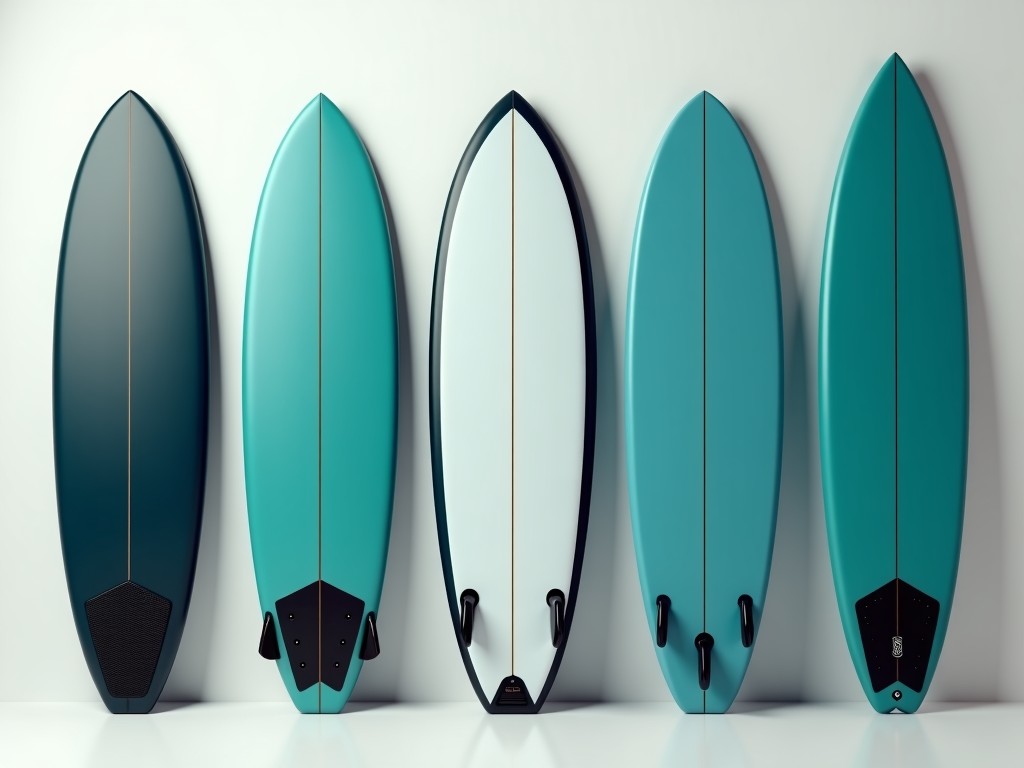
Cosmetic options include custom color matching to RAL or Pantone specifications using UV-stable polyurethane coatings, and optional non-slip deck textures with varying grit levels (60–120 grit) for enhanced traction. All customizations are subject to requalification of buoyancy, balance, and structural integrity.
Next Steps for Procurement and Technical Evaluation
To initiate a technical evaluation, provide your application requirements including intended use case, typical water conditions, rider weight range, and desired operational duration. Our engineering team will review these inputs to recommend an appropriate configuration and discuss any necessary validation testing.
For quotation requests, please share your project timeline, quantity requirements, and any specific certification or documentation needs (e.g., CE marking, ISO 9001 compliance). We can arrange sample units for field testing under your operational conditions, with lead times typically ranging from 4–6 weeks for standard configurations.
Contact our technical sales team to discuss your requirements and begin the evaluation process.