Jetfly Electric Surfboard
Jetfly Electric Surfboard
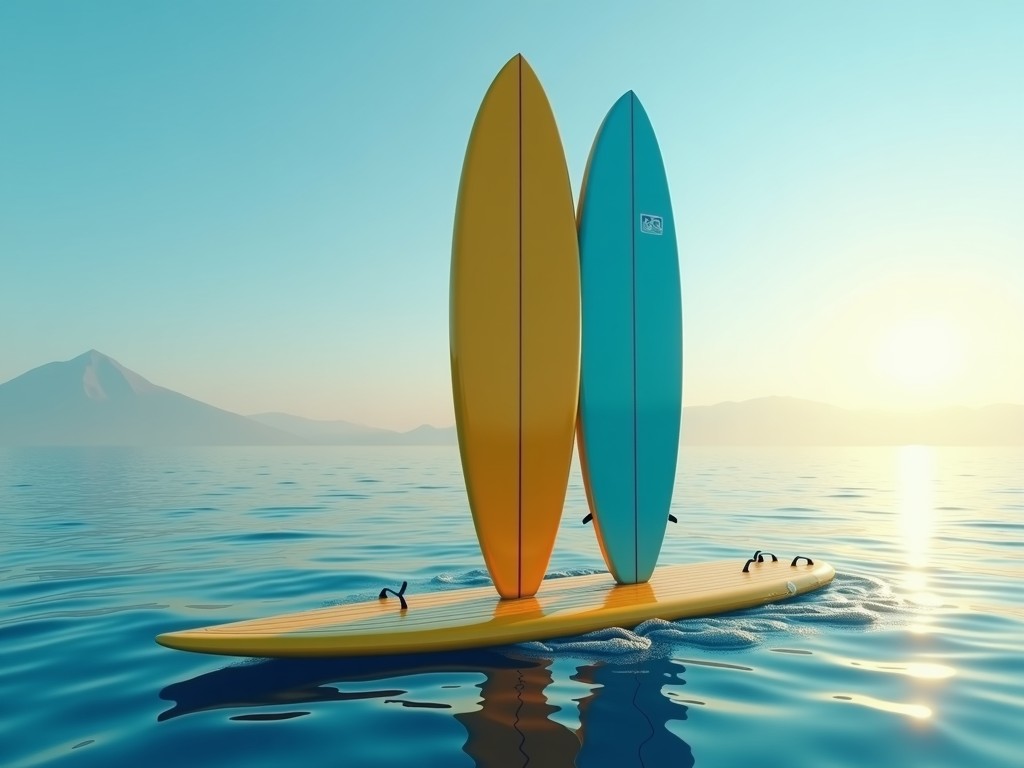
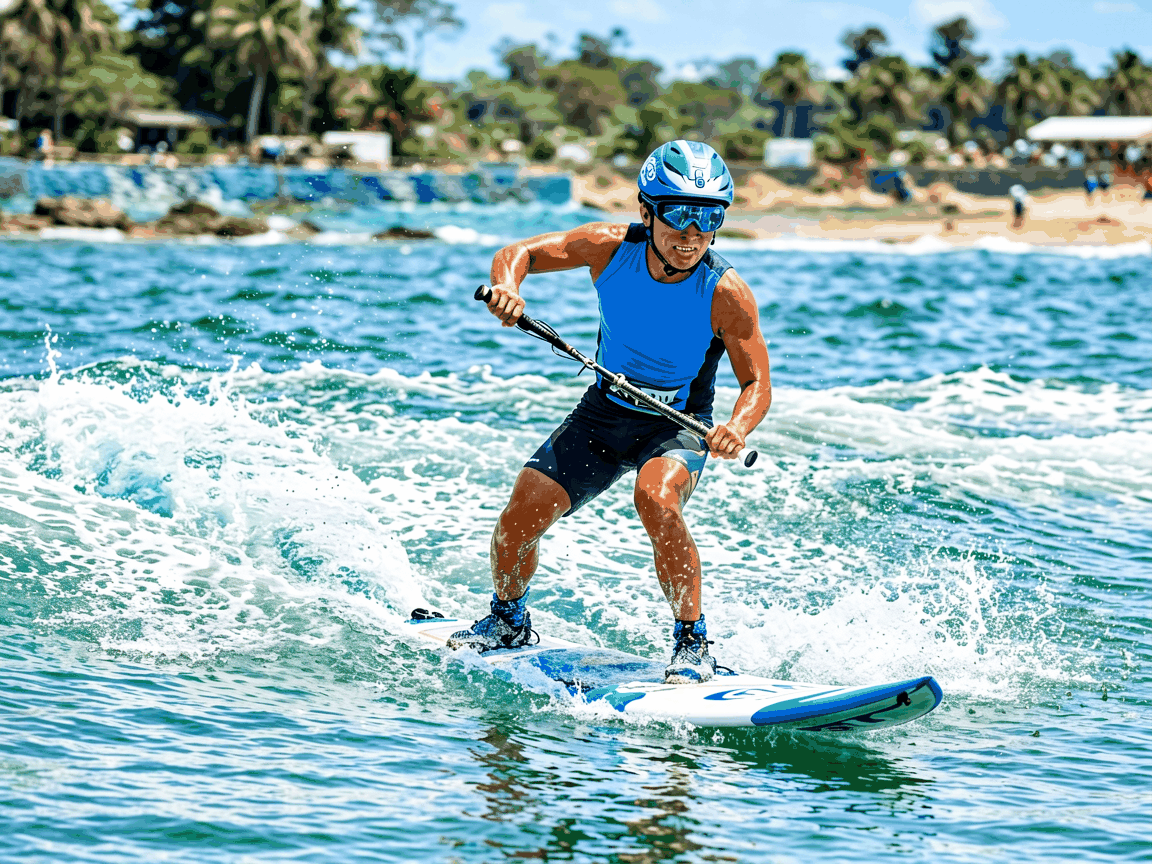
The Jetfly electric surfboard is a battery-powered personal watercraft designed for recreational and light commercial use on calm to moderate inland and coastal waters. It replaces traditional wave-dependent surfing with an integrated electric propulsion system, enabling consistent ride performance regardless of wave conditions.
Core Propulsion and Power System
The Jetfly utilizes a sealed, brushless DC motor mounted within a hydrodynamically optimized jet pump enclosure. This configuration eliminates exposed propellers, enhancing safety in shallow water and reducing entanglement risks with debris or marine life. The motor draws power from a lithium-ion battery pack integrated into the board’s fuselage, delivering a continuous output of 5 kW with peak bursts up to 8 kW for acceleration and hill climbing.
Battery capacity varies by model, typically ranging from 2.0 kWh to 3.5 kWh, providing operational endurance between 30 and 60 minutes under mixed throttle conditions. Charging is conducted via a dedicated onboard port using a Level 2 AC charger, with full recharge times averaging 2.5 to 4 hours depending on charger output and ambient temperature. The battery management system includes cell balancing, thermal monitoring, and over-current protection to maintain pack longevity and operational safety.
Hull Construction and Hydrodynamics
The board’s hull is constructed from a sandwich composite of carbon fiber-reinforced polymer skins over a closed-cell PVC foam core. This structure achieves a tensile strength of approximately 450 MPa while maintaining a dry mass of 22–26 kg depending on model and battery size. The outer surface features a UV-stabilized gel coat finish to resist saltwater degradation and micro-abrasion from beach launch and retrieval.
Hydrodynamic shaping includes a stepped planing hull with a slight concave underside to reduce drag and improve lift-off efficiency at speeds above 8 km/h. The nose profile incorporates a gradual rocker curve to prevent pearling during acceleration, while the tail features a tapered aft section to enhance directional stability during turns. These design elements are validated through computational fluid dynamics simulation and tow-tank testing at scale.
Control System and User Interface
Rider input is managed via a wireless, throttle-operated handheld controller rated IP68 for waterproofing and impact resistance. The controller communicates with the board’s electronic speed controller (ESC) using a 2.4 GHz FHSS protocol, providing low-latency response with a maximum command delay of 40 ms. Throttle response is programmable across three modes: Eco (limited to 70% power for endurance), Sport (full power delivery), and Expert (unlimited power with adjustable acceleration curves).
Real-time diagnostics are displayed on a backlit LCD mounted on the controller, showing battery state of charge, instantaneous power draw, motor temperature, and system fault codes. The ESC includes regenerative braking functionality, which recaptures kinetic energy during throttle release to extend range by approximately 8–12% in stop-and-go riding patterns. Safety systems include automatic motor cutoff upon water immersion detection and manual kill switch activation via controller disconnection or manual tether pull.
Performance Characteristics
Under standard test conditions (20°C ambient, flat freshwater, 75 kg rider), the Jetfly achieves a top speed of 35–42 km/h depending on model and battery state of charge. Acceleration from 0 to 20 km/h occurs in approximately 3.8 seconds in Sport mode. The board maintains stable planing attitude at speeds as low as 6 km/h, allowing low-speed maneuvering in marinas or near-shore environments without stalling.
Turning radius averages 3.5 meters at 25 km/h with rider lean input, influenced by foot placement and board trim. The jet pump system provides consistent thrust vectoring independent of forward speed, enabling precise control during low-speed docking or pivot turns. Maximum recommended operating weight is 100 kg; exceeding this threshold may reduce planing efficiency and increase motor thermal load.
Environmental and Operational Considerations
The Jetfly produces zero direct emissions during operation, making it suitable for use in environmentally sensitive zones such as lakes, reservoirs, and marine protected areas where internal combustion engines are restricted. Noise output measures approximately 68 dB(A) at 5 meters under full throttle, comparable to background conversation levels and significantly quieter than gasoline-powered personal watercraft.
Operational temperature range is rated from -5°C to 40°C for battery discharge, with performance derating below 0°C due to increased internal resistance. The sealed propulsion unit requires no routine lubrication or fluid changes, reducing maintenance intervals to visual inspection of seals, impeller clearance, and electrical connections every 25 hours of use. Winter storage recommends maintaining battery state of charge between 40–60% in a climate-controlled environment to prevent capacity degradation.
Applications in Commercial and Recreational Sectors
Beyond personal recreation, the Jetfly finds utility in patrol and surveillance operations by lifeguard services and coastal rangers, where silent operation and rapid deployment improve response times in swimmer distress scenarios. Its low wake and shallow draft allow navigation in vegetated shallows and near docks without disturbing aquatic habitats or causing shoreline erosion.
In the hospitality sector, resorts and marinas deploy Jetfly fleets for guest water sports programs, benefiting from simplified training requirements compared to traditional surfing or wind-dependent sports. The absence of fuel handling, exhaust emissions, and high noise levels simplifies permitting and insurance processes in regulated waterfront zones. Rental operators report reduced operational downtime due to fewer mechanical failure points compared to internal combustion alternatives.
Customization and Configuration Options
The Jetfly platform supports several factory-configurable options to align with specific use cases. Battery capacity can be selected from 2.0 kWh, 2.8 kWh, or 3.5 kWh packs, directly influencing range and weight. Motor tuning is available in standard (5 kW continuous) or high-output (6.5 kW continuous) variants, affecting top speed and acceleration characteristics. Hull color schemes are offered in standard gel coat finishes or custom marine-grade paint systems upon request.
Additional accessories include detachable tow points for inflatable toys, reinforced deck pads for improved foot grip, and optional GPS tracking modules for fleet management and geofencing applications. Controller ergonomics can be adjusted for left- or right-hand throttle orientation, and tether length is customizable between 1.2 and 2.0 meters. All configurations maintain compliance with IP68 waterproofing and CE/UL electrical safety standards.
| Specification | Typical Value | Notes |
|---|---|---|
| Motor Type | Brushless DC, sealed | No exposed moving parts |
| Continuous Power | 5.0 kW | Peak: 8.0 kW |
| Battery Capacity | 2.0–3.5 kWh | Lithium-ion, NMC chemistry |
| Operating Time | 30–60 min | Mixed throttle, 75 kg rider |
| Charge Time | 2.5–4.0 hrs | Level 2 AC charger |
| Top Speed | 35–42 km/h | Flat water, full charge |
| Dry Mass | 22–26 kg | Excludes battery and rider |
| Max Rider Weight | 100 kg | Performance derating above |
| Operating Temp | -5°C to 40°C | Battery discharge limits |
| Noise Level | 68 dB(A) @ 5m | Full throttle, open water |
Prospective buyers should evaluate their operational profile—including typical ride duration, water conditions, payload requirements, and regulatory constraints—when selecting battery capacity and motor configuration. Jetfly units are manufactured to order with a standard lead time of 6–8 weeks from receipt of technical specifications and deposit. Samples are available for qualified commercial and institutional buyers upon request, subject to availability and signed evaluation agreement.