Motorized Surfboard For Adults
Motorized Surfboard for Adults
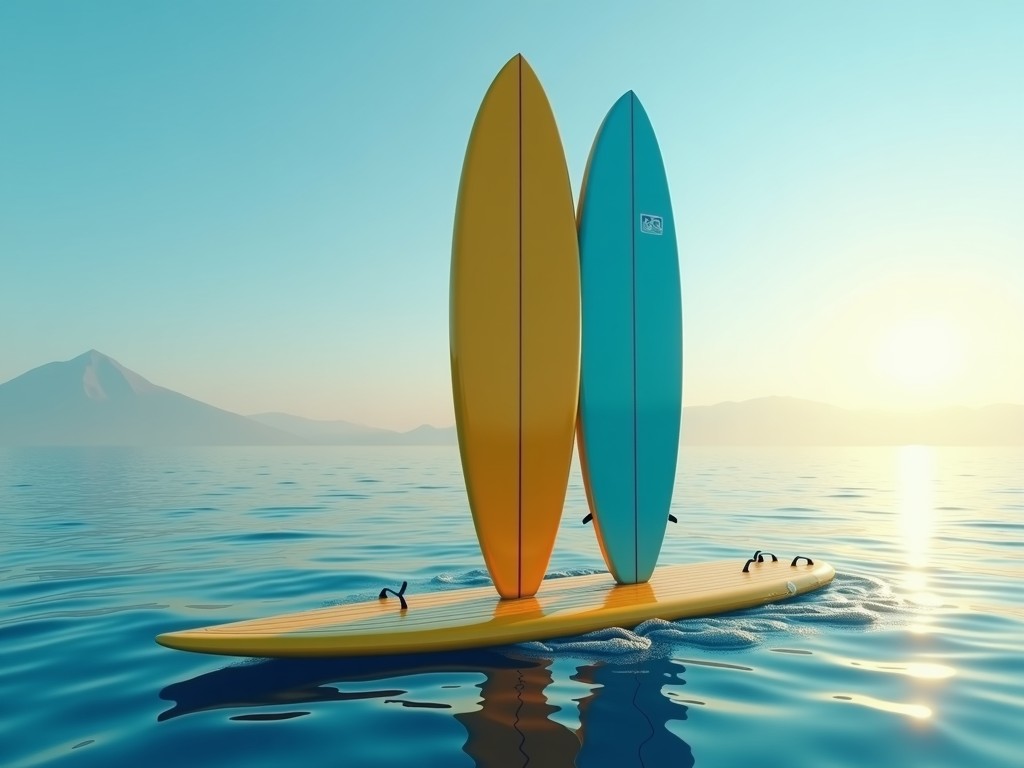
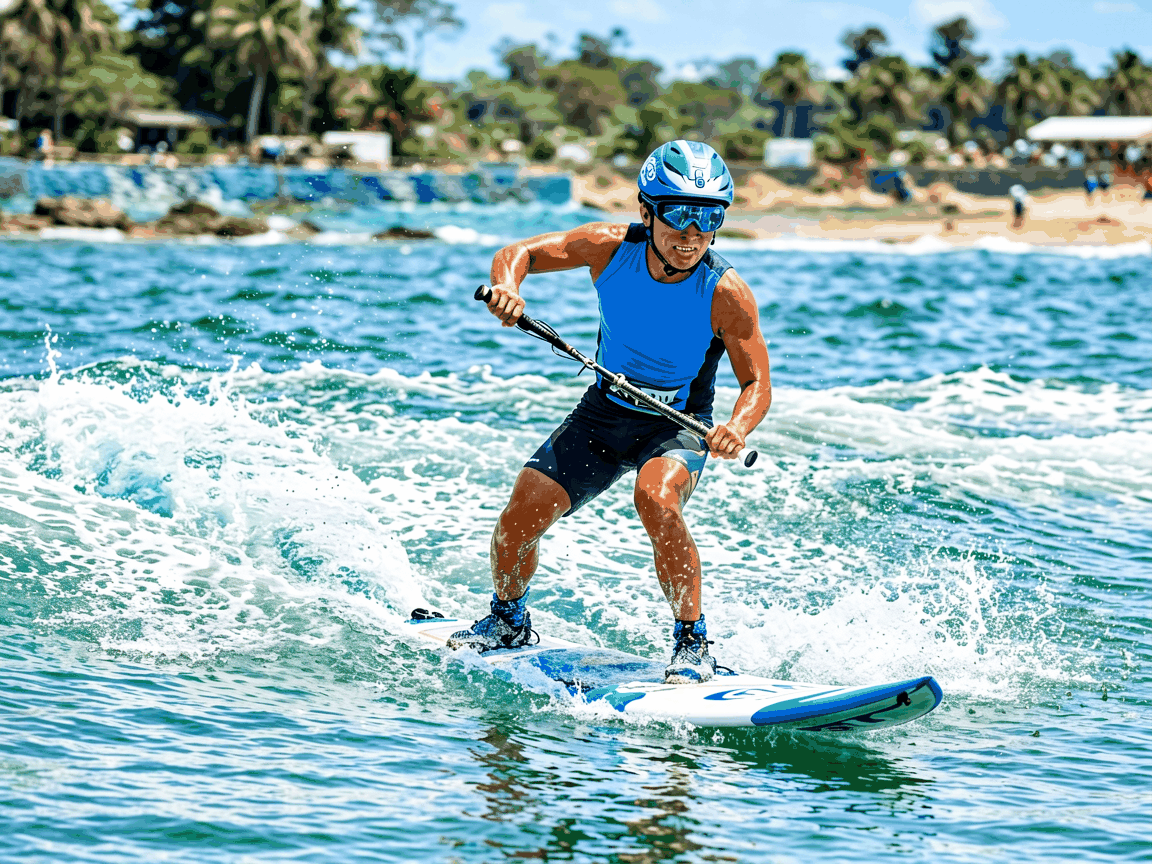
Motorized surfboards for adults integrate electric propulsion systems with hydrodynamic hull designs to enable wave-independent riding. Unlike traditional surfing, these systems provide consistent thrust regardless of wave conditions, allowing operation in flat water, lakes, rivers, or coastal areas with minimal swell. The core technology centers on a sealed electric drive unit, typically mounted at the rear, which delivers controllable torque to a propeller or jet pump while maintaining buoyancy and stability for riders weighing between 60kg and 120kg.
Key Technical Specifications
Performance parameters are defined by motor power, battery capacity, and hull hydrodynamics. Typical systems range from 5kW to 15kW peak power, enabling top speeds between 35km/h and 55km/h depending on rider weight and water conditions. Lithium-ion battery packs commonly offer 20Ah to 40Ah at 48V, providing 20 to 45 minutes of continuous ride time per charge. Charging requires 2 to 4 hours using onboard or offboard chargers with IP65-rated connectors. Board dimensions usually fall between 180cm and 220cm in length, 60cm to 80cm in width, and 15cm to 25cm in thickness, with volume displacement calibrated to support rider weight plus system mass while maintaining planing efficiency.
| Parameter | Typical Range | Unit |
|---|---|---|
| Motor Power (Peak) | 5 – 15 | kW |
| Top Speed | 35 – 55 | km/h |
| Battery Capacity | 20 – 40 | Ah @ 48V |
| Ride Time | 20 – 45 | minutes |
| Charge Time | 2 – 4 | hours |
| Board Length | 180 – 220 | cm |
| Board Width | 60 – 80 | cm |
| Board Thickness | 15 – 25 | cm |
| Rider Weight Capacity | 60 – 120 | kg |
Hull Design and Hydrodynamics
Hull shape directly influences stability, maneuverability, and energy efficiency. Most adult motorized surfboards utilize a hybrid displacement-planing hull with a pronounced rocker curve (typically 25mm to 40mm over length) to prevent nose-diving during acceleration. The underside often features concave channels or stepped designs to reduce wetted surface area and minimize drag at speed. Rail profiles are usually softened (rounded) to enhance grip during turns while minimizing the risk of catching edges. Volume distribution is biased slightly toward the rear (60/40 front/rear split) to counterbalance the weight of the drive unit and battery, ensuring neutral trim at cruising speeds. Construction materials prioritize stiffness-to-weight ratios, with common options including epoxy-coated EPS foam cores reinforced with carbon fiber or fiberglass laminates, or rotomolded polyethylene for impact resistance in rental or training environments.
Propulsion System Configuration
Two primary propulsion architectures dominate the market: propeller-driven and jet pump systems. Propeller systems use a sealed, marine-grade stainless steel or composite propeller (typically 140mm to 180mm diameter) housed in a skeg-mounted pod, offering high propulsive efficiency (80-85%) but requiring clearance from debris and posing entanglement risks. Jet pump systems draw water through an inlet grate, accelerate it via an impeller, and expel it through a steerable nozzle, providing better safety in shallow water and debris tolerance at the cost of slightly lower efficiency (70-75%). Both systems integrate water-cooled permanent magnet synchronous motors (PMSM) with sensorless field-oriented control (FOC) for smooth torque delivery. Throttle response is managed via handheld wireless remotes or handlebar-mounted potentiometers, with adjustable power curves (eco, sport, race modes) accessible through firmware settings. All active components are sealed to IP68 standards, with corrosion-resistant housings and sacrificial anodes where applicable.
Safety and Control Systems
Safety mechanisms are critical due to the combination of high speed, water exposure, and rider detachment risk. Every system includes a magnetic kill switch lanyard that instantly cuts power to the motor if the rider falls off, preventing runaway boards. Additional safeguards encompass overcurrent protection, thermal throttling to prevent motor overheating, low-voltage battery cutoffs to preserve cell longevity, and automatic motor stall detection. Buoyancy is engineered to exceed 120% of the total loaded weight (rider + board + systems) to ensure positive flotation even if flooded. Visibility features often include high-buoyancy vests with integrated LED strips (waterproof, 5000K color temperature) and reflective panels for low-light operation. Control interfaces utilize frequency-hopping spread spectrum (FHSS) or Bluetooth 5.0 protocols with AES encryption to prevent signal interference or hijacking, with operational ranges exceeding 50m in open water.
Applications and Operational Environments
Motorized surfboards serve distinct use cases where wave dependency limits traditional surfing accessibility. Inland lakes and slow-moving rivers benefit from consistent operation regardless of weather or tide schedules, enabling training, recreation, or patrol activities. Coastal zones with intermittent swell use these boards to extend rideable hours during flat periods, supporting surf schools, lifeguard training, or aerial photography platforms. Their quiet operation (typically 65-75dB at 5m) and zero local emissions make them suitable for environmentally sensitive areas, marine reserves, or urban waterways where noise and pollution restrictions apply. Payload capacity allows for light instrumentation mounting (e.g., GPS trackers, waterproof cameras) without compromising stability, expanding utility in scientific monitoring or infrastructure inspection. However, operation is generally restricted to depths exceeding 1m to prevent impeller or propeller damage from substrate contact, and users must comply with local maritime regulations regarding speed limits, exclusion zones, and required safety gear.
Manufacturing and Quality Considerations
Production involves precise alignment of hydrodynamic contours, watertight sealing of electronics, and balanced mass distribution. Hulls are typically fabricated via vacuum bagging or resin transfer molding (RTM) for composite versions, or rotational molding for polyethylene variants, ensuring uniform wall thickness and structural integrity. Electronics housings undergo potting or conformal coating to mitigate moisture ingress, with all seams and connectors subjected to IP68 validation testing. Final assembly includes dynamic balancing of the propulsion unit to minimize vibration at high RPM, followed by pool-based sea trials to verify thrust output, steering responsiveness, and kill switch reliability. Quality control emphasizes traceability of battery cells, motor winding resistance checks, and hull gelcoat thickness measurement (minimum 0.5mm for UV resistance). Documentation includes CE marking for EU markets, FCC/IC certification for wireless components, and user manuals detailing maintenance schedules for seals, anodes, and battery storage protocols.