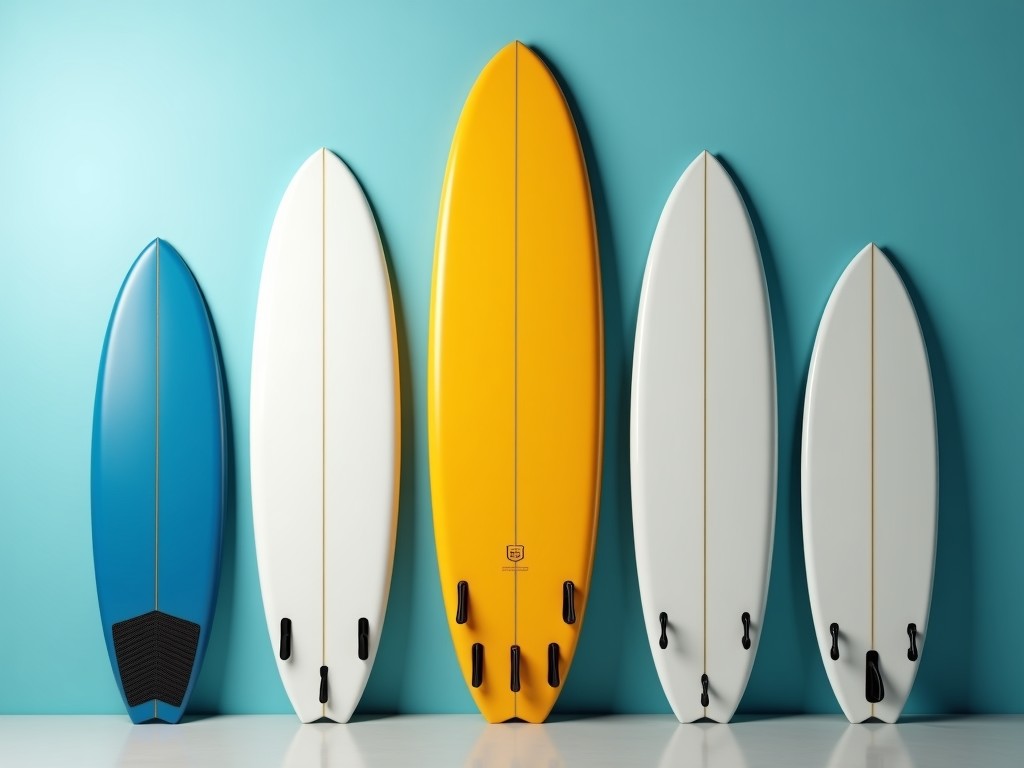
Oem Msds Certified 12Kw Surfboard
OEM MSDS Certified 12kW Surfboard
An OEM MSDS certified 12kW surfboard is an electric personal watercraft designed for propulsion via an integrated motor system, delivering 12 kilowatts of peak power output. The MSDS (Material Safety Data Sheet) certification confirms that all chemical components, including battery electrolytes, adhesives, and coating materials, have been evaluated for safety, handling, storage, and environmental impact in accordance with OSHA Hazard Communication Standard (29 CFR 1910.1200) and GHS guidelines. This certification is not a performance rating but a documentation requirement ensuring transparency about hazardous substances present in the product.
The 12kW power rating refers to the maximum electrical power the motor can draw under optimal conditions, typically achieved during acceleration or high-speed operation. Actual sustained output depends on battery voltage, controller limits, thermal management, and water resistance. This power level positions the surfboard in the mid-to-high tier of consumer electric watercraft, suitable for experienced riders seeking dynamic performance in coastal or inland water environments.
OEM (Original Equipment Manufacturer) certification indicates that the product is manufactured to the specifications of a brand-owning company, with traceable production processes, component sourcing, and quality control protocols. This does not imply the product is sold under the manufacturer’s own brand but rather that it is built for another entity’s product line under contractual agreement, with full documentation available for regulatory compliance.
Technical Specifications
The following table outlines typical technical parameters for an OEM MSDS certified 12kW surfboard. Values are representative of common configurations and may vary based on specific project requirements, battery chemistry, motor design, and intended use case. All data is provided for engineering evaluation and should be validated against the official MSDS and product datasheet for the specific unit.
| Parameter | Typical Value | Notes |
|---|---|---|
| Peak Motor Power | 12 kW | Measured at shaft under ideal voltage and cooling conditions |
| Battery Voltage | 48V–72V DC | Depends on cell configuration; higher voltage enables greater power delivery |
| Battery Capacity | 20–40 Ah | Determines range; typical operational time 20–45 minutes at moderate use |
| Maximum Speed | 35–45 km/h | Subject to rider weight, water conditions, and hydrodynamic drag |
| Charging Time | 2–4 hours | Using Level 2 AC charger; fast charging may reduce battery lifespan |
| Board Dimensions | 180–220 cm L × 50–60 cm W × 15–20 cm T | Volume and shape affect buoyancy and stability; customized per OEM requirements |
| Weight (with battery) | 25–35 kg | Influences portability and water displacement; optimized for rider handling |
| MSDS Coverage | Battery electrolyte, PCB potting compound, adhesives, coatings | Sections 2, 3, 8, 11, 12, 13 detail hazards, handling, exposure controls, and disposal |
| Ingress Protection (IP) Rating | IP67 (motor and battery enclosure) | Protected against dust immersion and temporary water submersion up to 1m for 30 minutes |
Material Composition and Safety Considerations
The MSDS certification applies specifically to chemical substances that may pose health or environmental risks during manufacturing, use, maintenance, or end-of-life processing. Key components requiring disclosure include lithium-ion battery electrolytes (typically lithium hexafluorophosphate in organic solvents), flame-retardant potting compounds used on motor controllers and battery management systems, marine-grade adhesives for hull sealing, and UV-resistant polymer coatings. Each substance is evaluated for flash point, toxicity, reactivity, and environmental persistence.
For example, common electrolyte solvents like ethylene carbonate and dimethyl carbonate are classified as flammable liquids (GHS Category 2) and require specific handling procedures to prevent vapor accumulation. The MSDS specifies appropriate personal protective equipment (PPE), such as nitrile gloves and safety glasses, and outlines spill containment methods using absorbent, non-combustible materials. Thermal runaway risks are mitigated through battery cell spacing, venting mechanisms, and electronic monitoring systems detailed in the product’s safety documentation.
Structural materials such as the board’s core (often expanded polystyrene or polyurethane foam), reinforcement layers (fiberglass or carbon fiber fabric), and outer shell (epoxy or polyester resin) are generally not classified as hazardous under normal use but may be included in the MSDS if additives, catalysts, or solvents used in their production pose handling risks. The certification ensures that OEM buyers receive complete transparency about all substances requiring safety data disclosure, enabling informed decisions regarding worker safety, storage protocols, and regulatory compliance.
Applications and Operational Use Cases
An OEM MSDS certified 12kW surfboard is engineered for recreational and light professional use in environments where silent, zero-emission propulsion is valued. Its application extends beyond traditional surfing to include coastal patrol support, marine research transport in protected zones, and aquatic fitness training where minimizing wake and noise pollution is critical. The electric drive system allows operation in areas restricted to internal combustion engines, such as swimming zones, nature reserves, or urban waterways with strict emissions regulations.
The 12kW power output provides sufficient thrust for planing on choppy water and navigating moderate currents, making it suitable for intermediate to advanced riders. Unlike lower-powered models (<8kW) that struggle to achieve planing speed in rough conditions, or excessively high-powered units (>15kW) that demand advanced skill and pose safety risks in confined spaces, this power level offers a balance of performance and controllability. Riders can expect rapid acceleration from rest and the ability to catch waves or maintain position against tidal flow with minimal physical effort.
Operational considerations include battery thermal management during prolonged use, which may require periodic cooling intervals in high ambient temperatures. Saltwater exposure necessitates post-use rinsing of external components and inspection of seals and connectors to prevent corrosion. The MSDS certification does not eliminate these maintenance requirements but ensures that any cleaning agents or lubricants recommended for upkeep are also documented for safety, reducing chemical exposure risks during service procedures.
Customization and OEM Integration
As an OEM product, the 12kW surfboard platform supports customization to meet specific branding, performance, and regulatory requirements of the purchasing entity. Common modification points include motor kv rating (affecting speed/torque trade-off), battery pack geometry (to fit custom hull contours), controller programming (for acceleration curves, regenerative braking, or speed limiting), and hydrodynamic shaping (rocker, rail contours, and tail design) to optimize performance for intended water conditions.
Cosmetic customization options encompass deck padding materials (EVA foam density and texture), finish colors and graphics (using marine-grade, UV-stable inks), and branding placement. All customizations must undergo re-evaluation for MSDS compliance if they introduce new chemical substances—such as alternative adhesives, paints, or sealing compounds—requiring updated safety documentation. The OEM manufacturer provides engineering support to validate that modifications do not compromise electrical safety, water ingress protection, or structural integrity.
Integration considerations extend to accessory compatibility, such as mast mounts for sail systems, tow points for rescue operations, or sensor brackets for environmental monitoring equipment. Electrical interfaces (e.g., CAN bus, UART) may be exposed for telemetry or auxiliary device connectivity, subject to IP rating preservation. Lead times for custom configurations typically range from 6 to 12 weeks, depending on tooling requirements, material availability, and validation testing scope.
Quality Control and Certification Process
Achieving MSDS certification for an OEM 12kW surfboard involves systematic documentation of all chemical substances present in concentrations above thresholds defined by GHS and OSHA. This process begins with a full bill of materials (BOM) analysis, where each component—down to individual screws, wires, and potting compounds—is reviewed for its chemical composition. Safety data is gathered from suppliers, verified against authoritative databases (such as ECHA or ChemWatch), and compiled into a standardized 16-section MSDS following ANSI Z400.1 or ISO 11014 formats.
Quality control extends beyond documentation to include physical verification. Incoming materials are sampled and tested for consistency with supplied MSDS information—for example, confirming electrolyte concentration in battery cells or volatile organic compound (VOC) content in adhesives. Production processes are monitored to prevent cross-contamination or unintended chemical reactions, particularly during potting or curing stages. Final products undergo visual inspection and functional testing to ensure that no modifications during assembly have introduced undeclared hazards.
The OEM manufacturer maintains traceability records linking each batch of raw materials to finished units, enabling rapid response in case of safety concerns. Certification is not a one-time event; it requires periodic review, especially when suppliers change formulations or new regulations emerge. For industrial buyers, this ongoing compliance framework reduces procurement risk by ensuring that safety documentation remains current and accurate throughout the product lifecycle.
For technical inquiries, customization requests, or to obtain the full MSDS and specification sheet for the OEM MSDS certified 12kW surfboard, please contact our engineering team.
Request Technical Documentation Discuss OEM Partnership