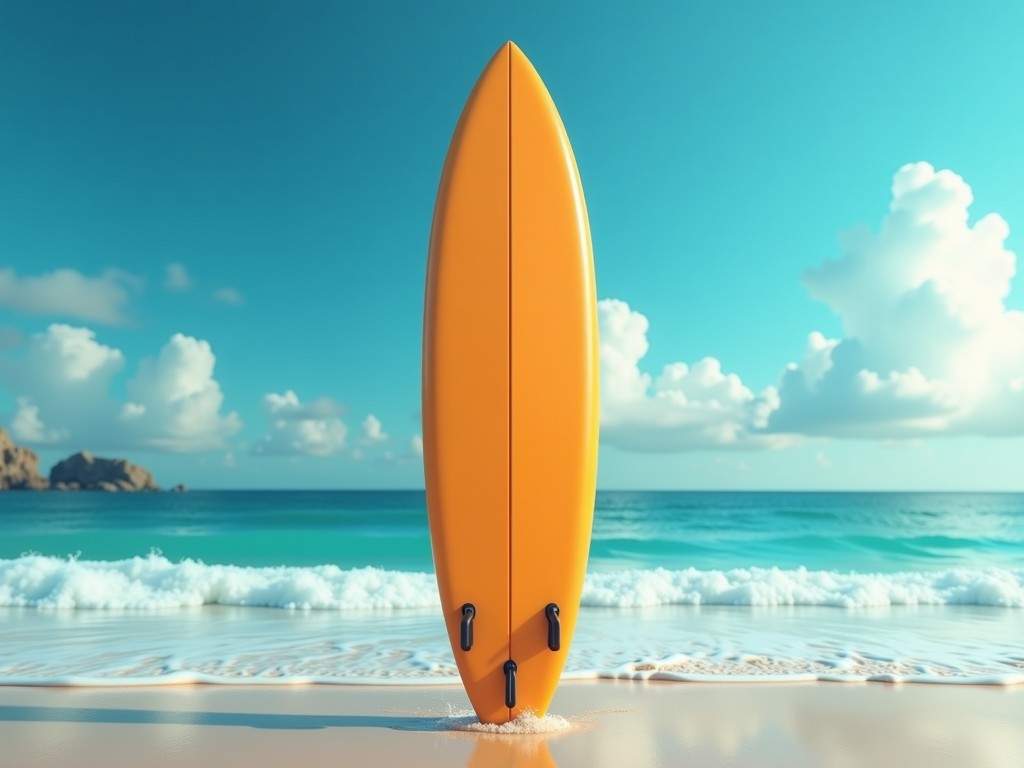
Stand Up Electric Jetboard
Stand Up Electric Jetboard
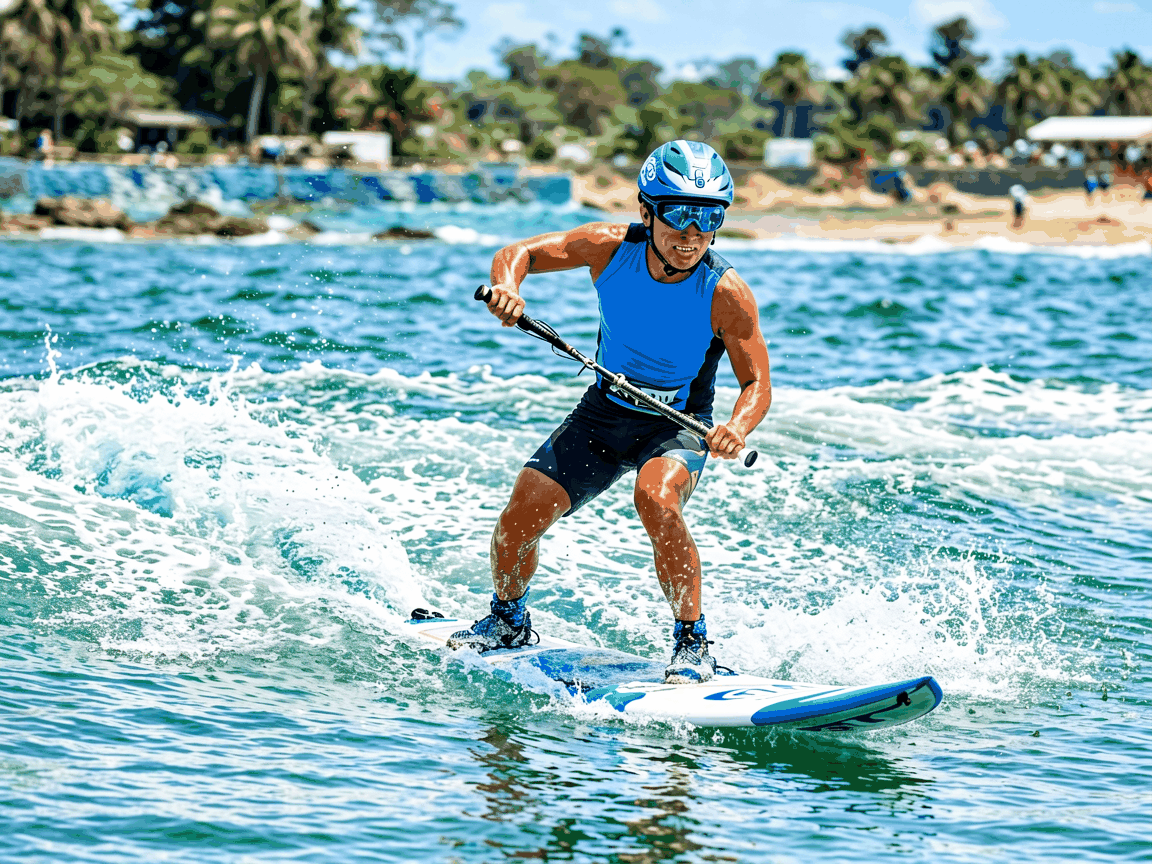
A stand up electric jetboard is a personal watercraft propelled by an integrated electric motor and pump system, allowing the rider to stand and maneuver on water surfaces without external towing or wind power. Unlike traditional jet skis that rely on internal combustion engines, this platform uses sealed lithium-ion battery packs driving a brushless DC motor connected to an axial-flow jet pump. The design emphasizes hydrodynamic stability, weight distribution, and rider ergonomics to enable controlled planing at speeds typically ranging from 25 to 45 km/h depending on model configuration and water conditions.
Core Technical Architecture
The propulsion system centers on a water-cooled brushless DC motor rated between 5 kW and 15 kW continuous output, paired with a programmable electronic speed controller (ESC) that manages torque delivery, thermal limits, and regenerative braking. Motor efficiency typically exceeds 85% under partial load, reducing energy draw during cruising. Power is transmitted via a sealed shaft to a single-stage axial jet pump with a stator-rotor configuration designed to minimize cavitation at high RPM. Pump nozzle diameters range from 80 mm to 110 mm, directly influencing thrust characteristics and top speed. Intake grates incorporate anti-debris geometry to protect the impeller in shallow or vegetated waters.
Energy storage uses modular lithium-ion battery packs with nominal voltages between 36 V and 72 V and capacities from 20 Ah to 40 Ah, delivering 0.7 kWh to 2.9 kWh usable energy. Cells are typically NMC or LFP chemistry, selected based on thermal stability and cycle life requirements. Packs are housed in IP68-rated enclosures with internal pressure equalization valves and cell-level monitoring via CAN bus. Thermal management relies on passive conduction through aluminum housings and active water cooling channels integrated into the board’s structure. Full charge times range from 2 to 4 hours using Level 2 AC chargers (16 A, 230 V), while fast DC charging to 80% capacity is available in under 60 minutes on select models.
Hull Design and Hydrodynamics
The hull is shaped as a semi-displacement planing form with a flat to slightly concave bottom and hardened chines along the lateral edges to promote clean water release and reduce spray. Length overall (LOA) typically ranges from 1500 mm to 1800 mm, with beam widths between 500 mm and 650 mm. Rocker profile is minimized in the aft section to reduce drag during planing, while a slight upward curve in the bow prevents pear-diving during acceleration. Volume distribution is biased toward the rear (60:40 aft-forward) to counterbalance the motor and battery mass located near the centroid. Wet surface area averages 1.2 m² to 1.6 m², directly affecting the power-to-weight ratio required for planing threshold.
Construction materials vary by performance tier: entry-level models use rotomolded HDPE for impact resistance and UV stability; mid-range boards employ vacuum-bagged fiberglass-reinforced polyester with closed-cell foam core for stiffness-to-weight optimization; high-performance variants utilize carbon fiber reinforced polymer (CFRP) laminates with epoxy resin, achieving tensile strengths over 3500 MPa and densities below 1.6 g/cm³. All layups include UV-inhibiting gel coats and stainless steel inserts for hardware mounting. Drain plugs and vent valves are positioned to prevent water accumulation while maintaining structural integrity.
Rider Interface and Control Systems
The rider stands on a textured EVA foam deck pad with diamond-groove patterning for wet-foot grip, typically 5 mm to 8 mm thick and bonded directly to the hull surface. Foot stance width is adjustable via removable side rails or molded channels, accommodating boot sizes from EU 38 to 48. A handheld wireless throttle controller, operating on 2.4 GHz FHSS or Bluetooth LE, sends PWM signals to the ESC with fail-safe logic that cuts power on signal loss or submersion. Throttle response is programmable via three preset modes: Eco (limited torque, extended range), Sport (linear response), and Race (maximum output with launch control). Handlebar-free operation requires precise weight shifting for steering, modeled after snowboard or surfboard dynamics.
Integrated sensors include a waterproof IMU (inertial measurement unit) for tilt and acceleration monitoring, a reed-switch-based speed sensor mounted on the drive shaft, and battery voltage/current transducers. Data is logged internally and可选 transmitted via Bluetooth to a companion smartphone app for real-time telemetry: speed, distance, battery state-of-charge, motor temperature, and runtime. GPS modules are available on premium models for geofencing, route tracking, and emergency location signaling. All electronics are conformal-coated and sealed within molded polycarbonate housings rated to IP67.
Performance Envelope and Operational Limits
Planing threshold—the minimum speed at which the board transitions from displacement to hydrodynamic lift—typically occurs between 12 km/h and 18 km/h, dependent on rider weight, hull design, and thrust output. For a 75 kg rider on a 1650 mm board with 10 kW motor, planing is achievable within 3 seconds of full throttle from rest. Maximum sustained speed is constrained by motor thermal limits and battery discharge rate; continuous operation at 100% throttle generally lasts 8 to 15 minutes before power derating begins. Intermittent use patterns (e.g., 30 seconds on, 90 seconds off) extend effective runtime to 25–40 minutes. Range varies from 15 km to 35 km under mixed conditions at average speeds of 20–25 km/h.
Operating temperature range for battery and electronics is –10 °C to 45 °C; performance degrades below 0 °C due to increased internal resistance and above 40 °C due to thermal throttling. Saltwater exposure requires post-use rinsing with fresh water and periodic inspection of seals and anodes. Maximum recommended rider weight ranges from 100 kg to 130 kg depending on hull volume and freeboard. Minimum operational water depth is 0.6 m to prevent intake blockage, though skilled riders can navigate shallower zones by lifting the board slightly during transit. Maximum wave height for stable operation is generally 0.5 m; beyond this, control becomes increasingly dependent on rider skill.
Safety and Compliance Features
Critical safety systems include a magnetic lanyard kill switch that disconnects power when the rider falls off, a redundant manual cutoff switch on the controller, and automatic motor shutdown upon detection of overcurrent, overtemperature, or submersion beyond sensor limits. All electrical connections use marine-grade tinned copper with heat-shrink encapsulation and corrosion-resistant connectors (e.g., AMP Superseal). Metallic components exposed to water undergo anodizing or passivation treatment; fasteners are A4 stainless steel. Buoyancy foam is closed-cell and permanently bonded to prevent waterlogging, ensuring the board remains afloat even if the hull is compromised.
While not subject to maritime vessel regulations in most jurisdictions due to sub-3.5 m length and lack of enclosed accommodation, stand up electric jetboards often comply with recreational watercraft guidelines from bodies such as the US Coast Guard (Navigation Rules), CE Recreational Craft Directive (where applicable), and local marine patrol requirements. Manufacturers provide documentation on electromagnetic compatibility (EMC), ingress protection ratings, and battery safety (UN 38.3, IEC 62133). Night operation requires detachable LED navigation lights (red/green port/starboard, white stern) powered via auxiliary circuits, typically adding <0.5 A draw.
Maintenance and Serviceability
Routine maintenance focuses on three areas: propulsion system hygiene, battery care, and hull integrity. After each use, the intake grate and pump nozzle should be inspected for debris (seaweed, fishing line, sediment) and cleared manually. The jet pump housing can be flushed with fresh water via a built-in rinse port to prevent salt crystallization. Anodes (zinc or aluminum) mounted on the pump shaft and hull underside require replacement when eroded to 50% of original mass, typically every 20–30 hours in saltwater. Drive shaft seals and O-rings are checked quarterly for wear; silicone-based lubricant is applied to non-metallic contact points.
Battery storage recommends a 50% state-of-charge for periods exceeding one week, in a cool, dry environment (<25 °C, <60% RH). Full discharge should be avoided; most BMS systems prevent over-discharge below 2.5 V/cell. Firmware updates for the ESC and controller are performed via USB or wireless link, often adding new throttle maps or diagnostic features. Hull repairs follow standard composite protocols: minor gel coat chips are filled with epoxy putty and sanded; delamination or core damage requires vacuum bagging and re-lamination by certified technicians. Warranty terms typically cover 12–24 months for battery (cycles) and 24–36 months for hull and propulsion, excluding consumables and impact damage.
Applications and Operational Contexts
Stand up electric jetboards serve niche but growing roles in sectors where zero-emission, low-noise, and rapid-deployment water mobility is valued. In coastal patrol and lifeguard operations, they enable rapid response to swimmers in distress within 100–200 m of shore, outperforming swim fins or kayaks in speed while avoiding the wake and fuel emissions of combustion-powered craft. Their quiet operation (<65 dB at 5 m) minimizes disturbance to marine wildlife in protected zones, supporting ecological monitoring missions where researchers need to approach nesting birds or sea turtles without causing flight responses.
In tourism and rental fleets operating at lakes, reservoirs, or calm coastal bays, the absence of fuel handling, exhaust emissions, and engine maintenance reduces operational complexity and liability. Training time averages 15–20 minutes for novice riders to achieve basic balance and throttle control, significantly shorter than for jet skis or windsurfing. Facilities benefit from indoor storage compatibility due to lack of fuel vapors and the ability to charge multiple units overnight using standard three-phase power. Commercial surf schools use them as training aids for wave positioning and paddle-in techniques, allowing students to focus on balance without paddling fatigue.
Emergency response units in flood-prone regions deploy these boards for rapid assessment of inundated areas where traditional boats cannot navigate due to submerged obstacles or vegetation. Their shallow draft and maneuverability allow navigation through flooded streets, parking lots, and forest trails to locate stranded individuals or assess infrastructure damage. Military and law enforcement units evaluate them for covert insertion/extraction in riverine or littoral environments, where low acoustic and thermal signatures reduce detection risk. All such applications require adherence to local navigation laws and personal flotation device (PFD) mandates.
| Parameter | Typical Range | Notes |
|---|---|---|
| Motor Power (Continuous) | 5 kW – 15 kW | Water-cooled BLDC |
| Battery Energy | 0.7 kWh – 2.9 kWh | Usable, NMC/LFP |
| Top Speed | 25 km/h – 45 km/h | Dependent on model & conditions |
| Runtime (Mixed Use) | 15 min – 40 min | Variable with throttle use |
| Charge Time (AC) | 2 h – 4 h | Level 2, 16 A @ 230 V |
| Board Weight | 20 kg – 35 kg | Excludes battery |
| Max Rider Weight | 100 kg – 130 kg | Hull volume dependent |
| Operating Depth | ≥0.6 m | To avoid intake blockage |
| IP Rating (Electronics) | IP67 – IP68 | Controller, battery, motor |
Technical specifications are subject to variation based on model series, intended use case, and regional regulatory factors. Prospective buyers should consult detailed datasheets for exact values related to thrust curves, battery cycle life warranties, and optional equipment such as GPS modules, upgraded controllers, or specialized deck coatings. Customization options—including alternative battery capacities, motor KV ratings, hull color schemes, and accessory mounts for cameras or sonar—are typically available upon request for OEM or volume orders. All stated performance figures assume freshwater conditions at 20 °C with a 75 kg rider unless otherwise noted.