Cheap Petrol Surfboard
Cheap Petrol Surfboard
A petrol surfboard is a motorized personal watercraft that uses a small internal combustion engine to generate thrust, allowing riders to glide across water surfaces without relying on waves or paddling. These devices are commonly used in recreational water sports, lifeguard operations, and coastal patrol scenarios where rapid deployment and independent propulsion are required. The term "cheap" in this context refers to cost-effective models designed for entry-level users or budget-conscious buyers, not necessarily low quality, but rather optimized for affordability through standardized components, simplified design, and efficient manufacturing processes.
Key Technical Characteristics
Typical petrol surfboards in the affordable segment feature a two-stroke or four-stroke gasoline engine ranging from 5 to 15 horsepower, mounted internally within a buoyant hull constructed from high-density polyethylene (HDPE) or fiberglass-reinforced polymer (FRP). The engine drives a jet pump or propeller system located at the stern, producing forward motion through water displacement. Hull dimensions generally fall between 2.4 to 3.0 meters in length and 0.6 to 0.8 meters in width, with a dry weight ranging from 25 to 40 kilograms depending on materials and engine size. Fuel capacity is usually between 3 to 6 liters, providing an operational range of 30 to 60 minutes at cruising speeds of 15 to 25 km/h.
Design and Manufacturing Considerations
Cost reduction in these models is achieved through standardized hull molds, minimalistic control systems (typically a handheld throttle with kill switch), and the use of off-the-shelf small-engine components commonly found in lawn equipment or portable generators. Hulls are often produced via rotational molding for HDPE or hand lay-up for FRP, allowing for consistent wall thickness and impact resistance without expensive tooling. The engine mounting system incorporates vibration-dampening brackets to reduce noise and fatigue transfer to the rider, while the jet intake includes a removable debris guard to prevent clogging in shallow or vegetated waters.
Performance and Operational Parameters
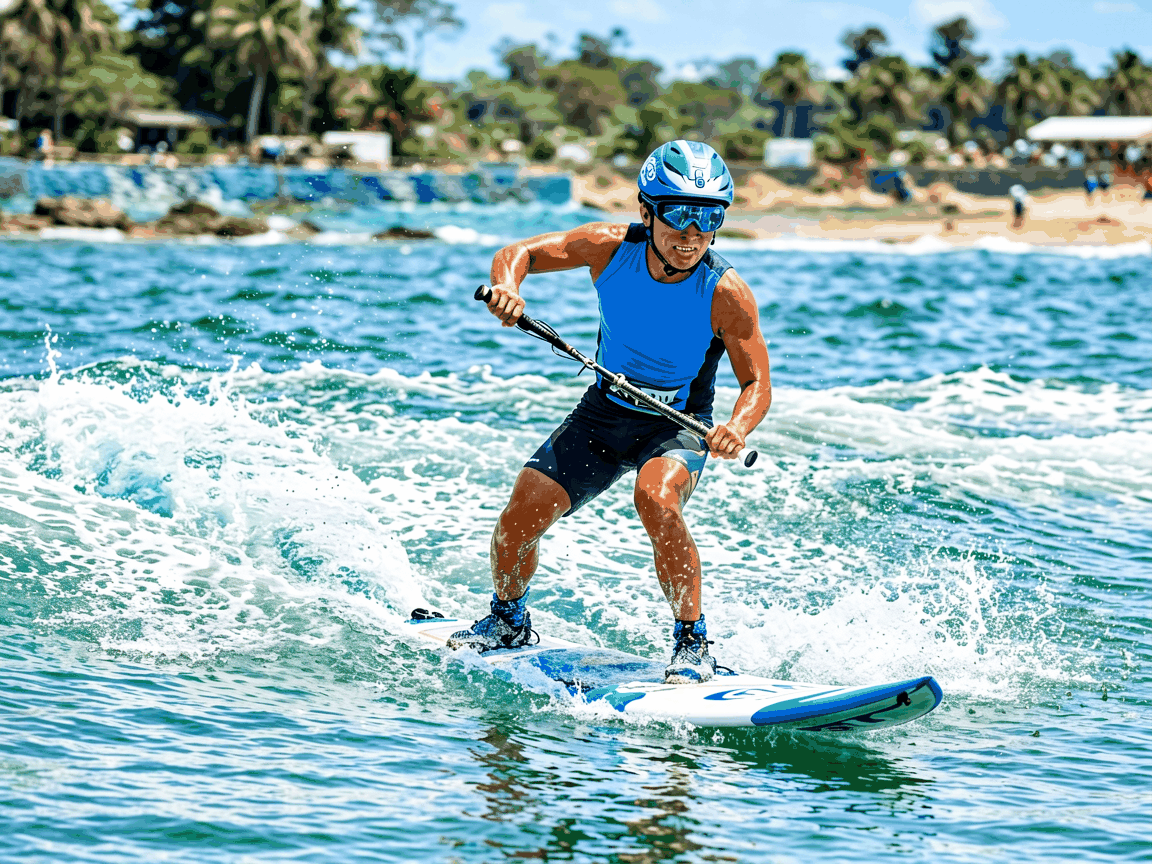
Acceleration from rest to planing speed typically occurs within 3 to 5 seconds, depending on rider weight and water conditions. Steering is managed through a combination of body weight shift and a handlebar-linked nozzle that directs the jet stream, enabling turning radii as tight as 2 meters at low speeds. Maximum speed is electronically or mechanically limited in many budget models to ensure safety and compliance with local watercraft regulations. Exhaust emissions are directed underwater or through a water-jacketed manifold to reduce noise and surface pollution, meeting basic environmental standards for inland waterway use in many regions.
Typical Applications
These boards are frequently used in recreational settings such as lakes, calm coastal areas, and slow-moving rivers where wave-dependent surfing is impractical. They also serve in professional contexts including beach lifeguard rescues—allowing rapid reach to distressed swimmers beyond breaking waves—and marine patrol units requiring quiet, low-draft access to shorelines. Training facilities use them to teach watercraft handling basics before progressing to larger personal watercraft (PWCs), and rental operators favor them due to lower acquisition cost and simpler maintenance compared to full-sized jet skis.
| Parameter | Typical Value (Budget Segment) |
|---|---|
| Engine Type | Air-cooled 2-stroke or 4-stroke gasoline |
| Power Output | 5–15 HP |
| Hull Material | HDPE (rotomolded) or FRP (hand lay-up) |
| Length | 2.4–3.0 m |
| Width | 0.6–0.8 m |
| Dry Weight | 25–40 kg |
| Fuel Capacity | 3–6 L |
| Operating Range | 30–60 min |
| Top Speed | 15–25 km/h |
Customization and Configuration Options
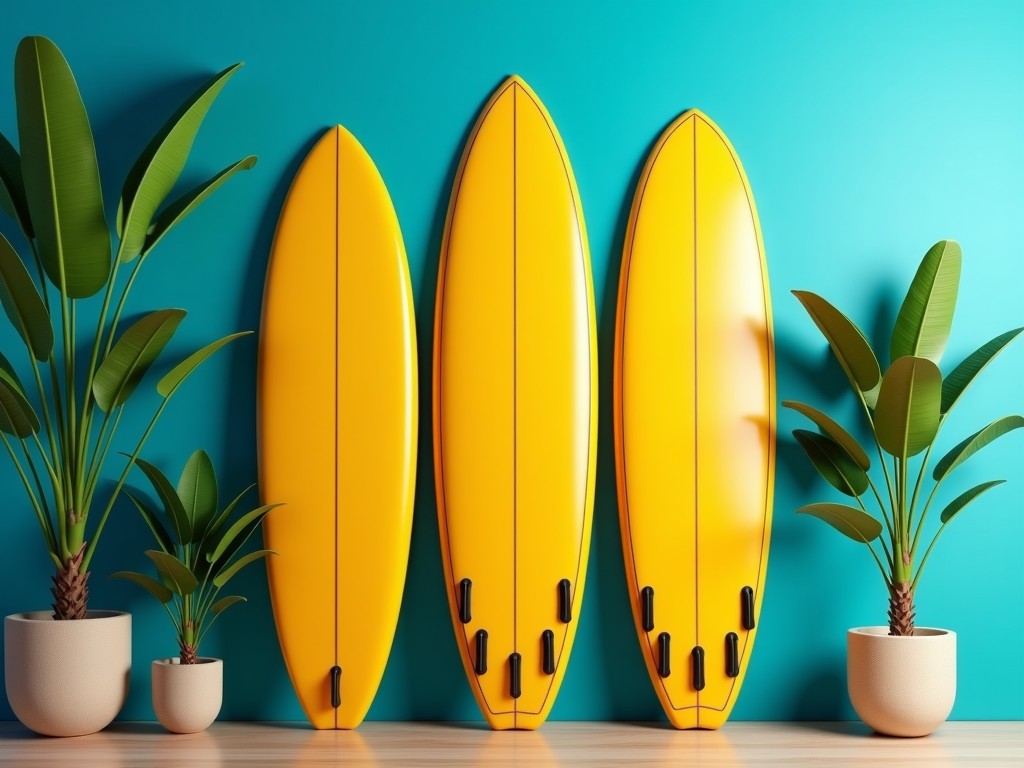
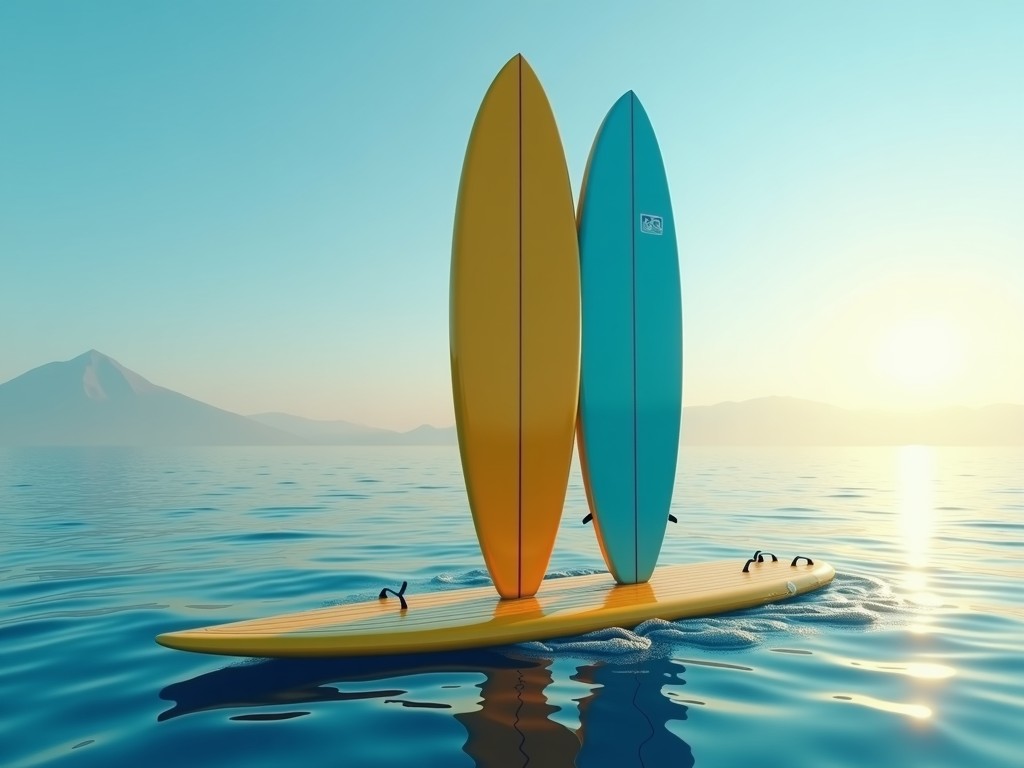
While base models are standardized to minimize cost, several parameters can be adjusted based on project requirements. Hull color is typically available in standard options such as white, yellow, or blue for visibility, with custom colors possible upon request for orders exceeding 50 units. Engine choice may be limited to specific carbureted or fuel-injected small-block designs compatible with the hull’s mounting geometry and weight distribution. Handlebar height and throttle cable length can be adjusted to accommodate different rider statures, and optional accessories include detachable tow points for water skiing, storage compartments for safety gear, and upgraded impellers for improved efficiency in saline environments. All modifications are subject to engineering review to ensure stability, buoyancy, and compliance with local maritime safety codes.
Quality Control and Reliability Factors
Manufacturers of budget petrol surfboards implement quality control focused on critical failure points: engine mounting integrity, hull sealing at stress joints, and jet pump alignment. Each unit undergoes a dry-run test to verify throttle response and kill switch functionality before a wet test in controlled water conditions to check for leaks, vibration, and steering response. Fuel system components are inspected for correct routing and clamp tightness to prevent leaks, and the intake grate is validated for debris rejection without excessive flow restriction. While these models may not carry extensive certifications like CE or ISO for recreational watercraft, reputable suppliers adhere to internal standards derived from small vessel safety guidelines and provide documentation such as material safety data sheets (MSDS) for hull resins and engine lubricants upon request.