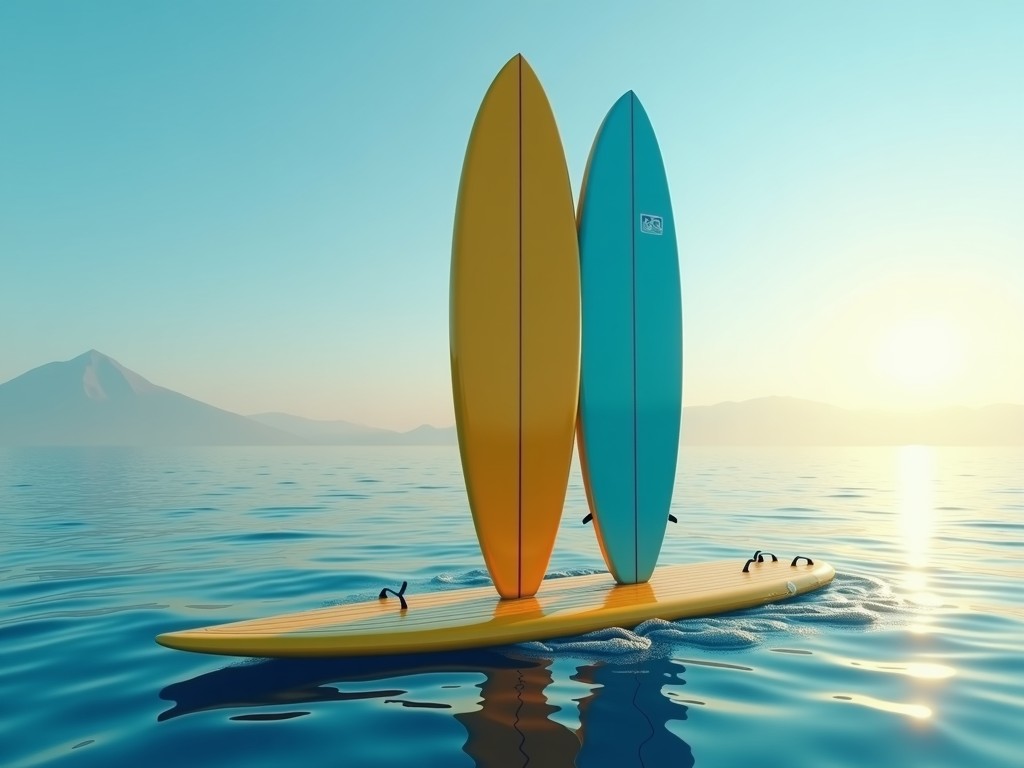
Custom Petrol Surfboard
Custom Petrol Surfboard
A petrol surfboard combines internal combustion propulsion with hydrodynamic design to enable high-speed water operation independent of wave conditions or paddling effort. Unlike electric models, petrol-powered systems offer extended range and rapid refueling, making them suitable for professional water patrol, rescue operations, and recreational use in remote locations. Customization allows alignment with specific performance requirements, environmental constraints, and operational workflows.
Propulsion System Configuration
The core of a custom petrol surfboard is its two-stroke or four-stroke engine, typically ranging from 15 to 45 horsepower, mounted internally within a sealed hull compartment. Engine selection depends on target speed, fuel efficiency, weight distribution, and emissions compliance. Two-stroke engines provide higher power-to-weight ratios but require oil-fuel mixing and produce more exhaust; four-stroke variants offer smoother torque, lower emissions, and longer service intervals at the cost of increased mass.
Power is transmitted via a flexible drive shaft to a submerged impeller or propeller, enclosed within a stator-rotor jet pump system. This configuration eliminates exposed rotating parts, enhancing safety during operation near swimmers or debris. Jet pump efficiency is influenced by impeller blade angle, inlet grate design, and nozzle diameter—parameters adjusted during customization to match engine output and desired thrust characteristics.
Hull Design and Hydrodynamics
Hull geometry is engineered to balance planing efficiency, stability at speed, and maneuverability in choppy water. Custom shaping begins with computational fluid dynamics (CFD) analysis to minimize drag while ensuring adequate lift at target operating speeds (typically 30–55 mph). The hull’s rocker curve, beam width, and chine configuration are tailored to the intended use case—flatwater speed runs demand different contours than coastal patrol or river navigation.
Materials selection impacts both performance and longevity. Common options include fiberglass-reinforced polyester for cost-effective prototyping, carbon fiber-reinforced epoxy for maximum stiffness-to-weight ratio, and marine-grade aluminum for impact resistance in rocky or icy environments. Core materials such as PVC foam or honeycomb structures are used in sandwich constructions to reduce weight without compromising flexural strength.
Customization Parameters
Customization extends beyond hull and engine to include ergonomics, control systems, and auxiliary features. Rider positioning—prone, kneeling, or stand-up—affects center of gravity and requires corresponding adjustments to hull balance and handlebar mounting. Throttle mechanisms can be cable-operated or electronic (fly-by-wire), with optional cruise control or speed limiting for training or regulatory compliance.
Additional integrations may include GPS navigation, emergency kill switches, auxiliary lighting for low-visibility operation, and modular mounting points for sensors, cameras, or rescue equipment. Fuel tank capacity is customized based on mission duration, typically ranging from 3 to 8 liters, with options for quick-disconnect refueling systems in professional applications.
Performance Validation and Testing
Before delivery, each custom petrol surfboard undergoes factory acceptance testing to verify speed, acceleration, fuel consumption, and handling characteristics. Speed validation is conducted using GPS-based data logging over measured courses, with multiple runs to account for wind and current effects. Fuel efficiency is measured in liters per hour at cruise speed, providing operators with predictable range estimates.
Vibration analysis ensures engine mounts and hull structure resist fatigue from prolonged operation. Noise levels are assessed to comply with local watercraft regulations, particularly in protected or residential zones. All testing documentation is available upon request to support procurement due diligence and regulatory submissions.
| Parameter | Typical Range | Customizable? |
|---|---|---|
| Engine Power | 15–45 hp | Yes |
| Maximum Speed | 30–55 mph | Yes (via prop/pitch) |
| Fuel Capacity | 3–8 L | Yes |
| Hull Length | 2.0–2.8 m | Yes |
| Dry Weight | style="border:1px solid #ccc; padding:10px;">18–35 kgYes (material-dependent) | |
| Noise Level | 75–85 dB(A) @ 15m | Partial (via muffler/hull) |
Applications in Professional and Recreational Sectors
In professional settings, petrol surfboards are valued for rapid deployment in lifeguard operations, where their independence from wave conditions allows rescuers to reach distressed swimmers faster than paddleboards or boats in flat or choppy water. Law enforcement agencies use them for coastal patrol in areas inaccessible to larger vessels, benefiting from low draft and high maneuverability around piers, mangroves, or ice floes.
Recreationally, they enable extended exploration of rivers, lakes, and coastlines without reliance on wind or wave patterns. Tour operators in tropical regions employ them for guided excursions where electric models would require frequent recharging, and gasoline’s energy density supports full-day operation with minimal downtime. Custom paint schemes and branding options are available for rental fleets or commercial identification.
Quality Control and Manufacturing Considerations
Manufacturing follows marine industry best practices, including gel coat barrier coating to prevent osmosis in fiberglass hulls, proper ventilation of engine compartments to manage heat and fuel vapors, and corrosion-resistant fasteners (typically marine-grade stainless steel or titanium) in wet assemblies. Each unit undergoes pressure testing of the hull and fuel system to confirm leak integrity before engine installation.
Engine installation includes alignment verification of the drive shaft to minimize vibration and bearing wear. Final assembly involves functional testing of throttle response, kill switch operation, and steering responsiveness. Documentation includes a build log detailing material batches, engine serial number, and test results—supporting traceability and warranty validation.