Oem Jf09Gt Gas Surfboard
OEM JF09GT Gas Surfboard
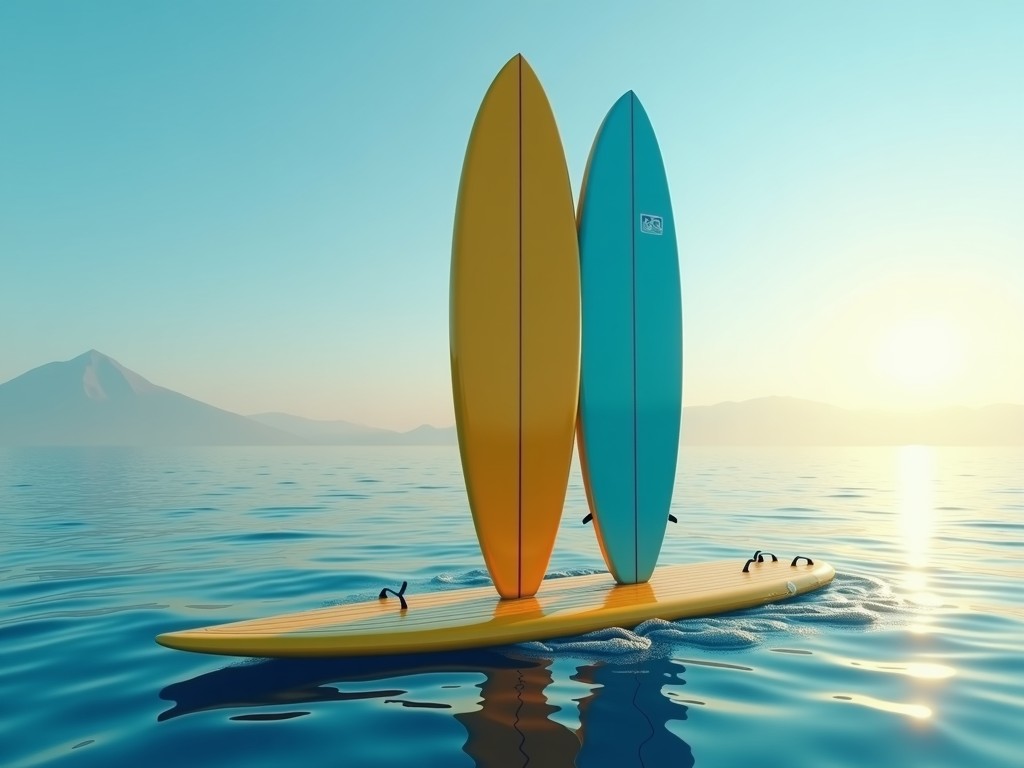
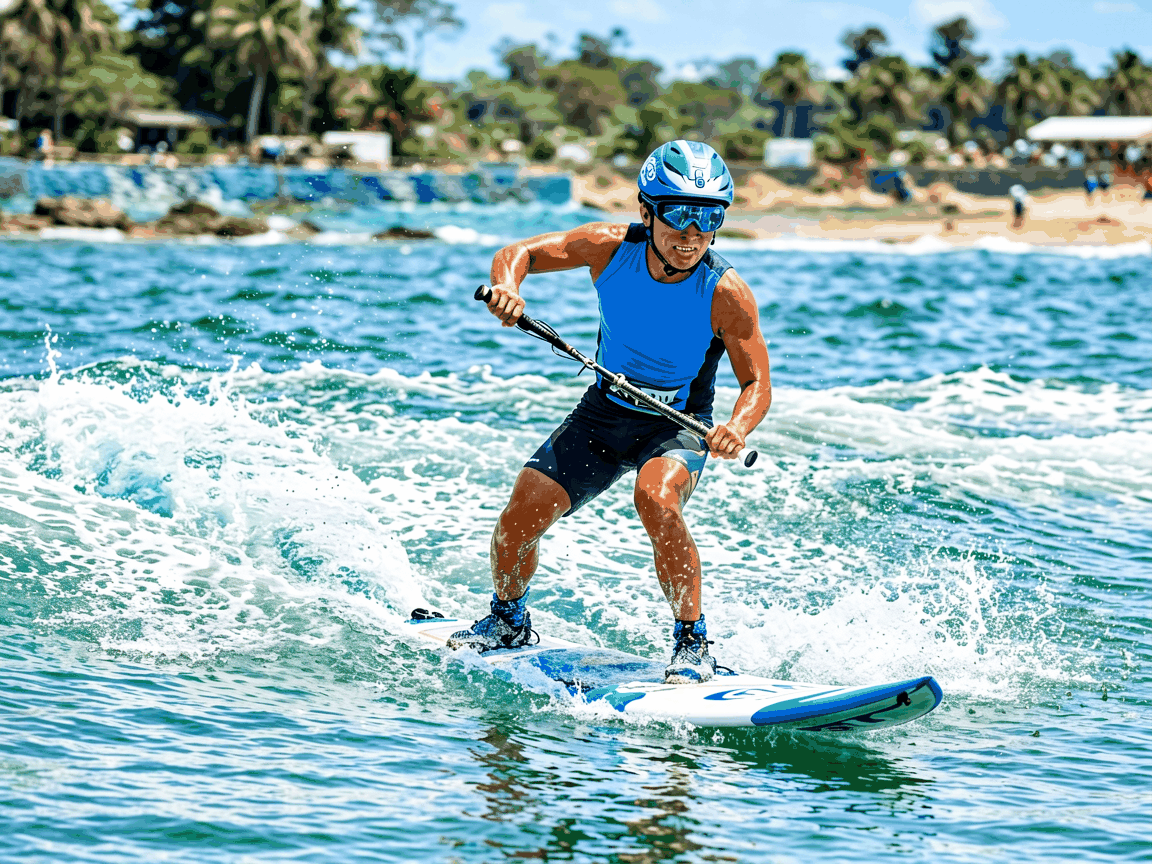
The OEM JF09GT gas surfboard is a purpose-built watercraft designed for high-performance recreational and light commercial use in coastal and inland water environments. It integrates a compact two-stroke gasoline engine with a hydrodynamically optimized hull to deliver consistent thrust and maneuverability across varying wave conditions.
Engineered for OEM integration, the JF09GT platform allows customization of power output, steering responsiveness, and hull geometry to align with specific brand requirements or regional usage patterns. Its modular design supports streamlined assembly and maintenance access.
Technical Specifications
| Parameter | Value | Notes |
|---|---|---|
| Engine Type | Air-cooled, two-stroke, single-cylinder | Gasoline (92+ octane) |
| Displacement | 89 cc | Optimized for power-to-weight ratio |
| Maximum Power Output | 5.2 kW (7.0 hp) @ 7,500 RPM | Measured at crankshaft |
| Fuel Consumption | 1.8 L/h at cruising speed | Varies with load and water conditions |
| Hull Length | 2,450 mm | Includes integrated fin system |
| Hull Width | 620 mm | At widest point |
| Dry Weight | 18.5 kg | Excludes fuel and accessories |
| Maximum Load Capacity | 120 kg | Includes rider and gear |
| Steering Mechanism | Handlebar-linked rudder with hydraulic assist option | Customizable torque feedback |
| Ignition System | CDI with adjustable timing | Waterproof sealed unit |
Material Selection and Construction
The hull is constructed from UV-stabilized, glass-reinforced polyester laminate with a closed-cell PVC foam core, providing a stiffness-to-weight ratio suitable for repeated impact loading from waves and rider movement. Core density is maintained between 60–80 kg/m³ to balance buoyancy and structural integrity.
The engine mount utilizes 6061-T6 aluminum alloy brackets with vibration-isolating rubber bushings to minimize transmission of high-frequency noise and vibration to the rider interface. All fasteners in corrosive zones are marine-grade 316 stainless steel.
Fuel lines and tank components are made from ethanol-resistant polyurethane with internal anti-static lining to prevent degradation and ensure long-term sealing integrity under varying temperature exposure.
Performance Characteristics
At cruising speed (approximately 18–22 km/h), the JF09GT maintains stable planing attitude with minimal porpoising due to the stepped hull design and aft-mounted center of gravity. Transition from displacement to planing mode occurs predictably between 12–14 km/h.
Lateral stability is enhanced by asymmetric chines and a tapered tail section, which generate stabilizing lift during turns without inducing excessive drag. Roll resistance is calibrated to allow controlled leaning for carving turns while resisting unintentional capsizing in chop.
Braking performance is achieved through engine kill switch activation and hydrodynamic drag; no mechanical braking system is installed. Stopping distance from full throttle averages 8–10 meters in calm water, depending on rider mass and trim adjustment.
Customization Options for OEM Partners
OEMs may request adjustments to engine mapping, including ignition timing curves and fuel delivery profiles, to match regional fuel quality or noise emission targets. These adjustments are performed via external tuning modules without requiring engine disassembly.
Hull geometry can be modified within ±15% of baseline dimensions to accommodate branding elements, altered rider ergonomics, or specific water condition optimization (e.g., flat water vs. surf zones). Mold tooling adjustments are quoted separately based on complexity.
Color schemes, deck textures, and accessory mounts (e.g., for GPS, camera, or storage) can be integrated during the molding process. Custom graphics are applied using marine-grade UV-resistant inks with a clear polyurethane topcoat for abrasion resistance.
Quality Control and Testing
Each completed unit undergoes a 30-minute operational test cycle in controlled water conditions, including idle verification, acceleration response, steering linearity, and engine temperature monitoring. Data is logged and compared against baseline parameters.
Hull integrity is verified via hydrostatic pressure testing and visual inspection for laminate uniformity, resin saturation, and absence of voids or delamination. Non-destructive testing includes tap testing and ultrasonic thickness measurement at critical joints.
Fuel system leak checks are performed using pressurized air and soap solution testing at all connections and seals. Emissions sampling is available upon request to verify compliance with regional recreational watercraft standards.
Applications and Use Cases
The JF09GT is suited for rental operations in protected coastal zones where consistent, low-maintenance propulsion is required to minimize downtime and service complexity. Its simple mechanical architecture reduces training needs for operators and simplifies spare parts logistics.
In guided tour environments, the predictable handling and audible feedback from the engine allow guides to maintain group cohesion and communicate position changes effectively, even in moderate wind or wave conditions.
For private ownership, the platform offers a balance between performance and accessibility, enabling users to develop watercraft skills without the complexity of electric systems or the maintenance burden of larger personal watercraft.
For technical inquiries, customization requests, or to obtain detailed engineering datasheets, contact our OEM support team.
Request OEM Specification Sheet